A well pump problem rarely starts at a convenient time. You may notice the shower pressure dropping, hear the pump cycling when nobody is using water, or turn on a faucet and get nothing at all. For homeowners needing well pump Iroquois service, the priority is restoring a safe, dependable water supply while identifying the actual cause of the failure.
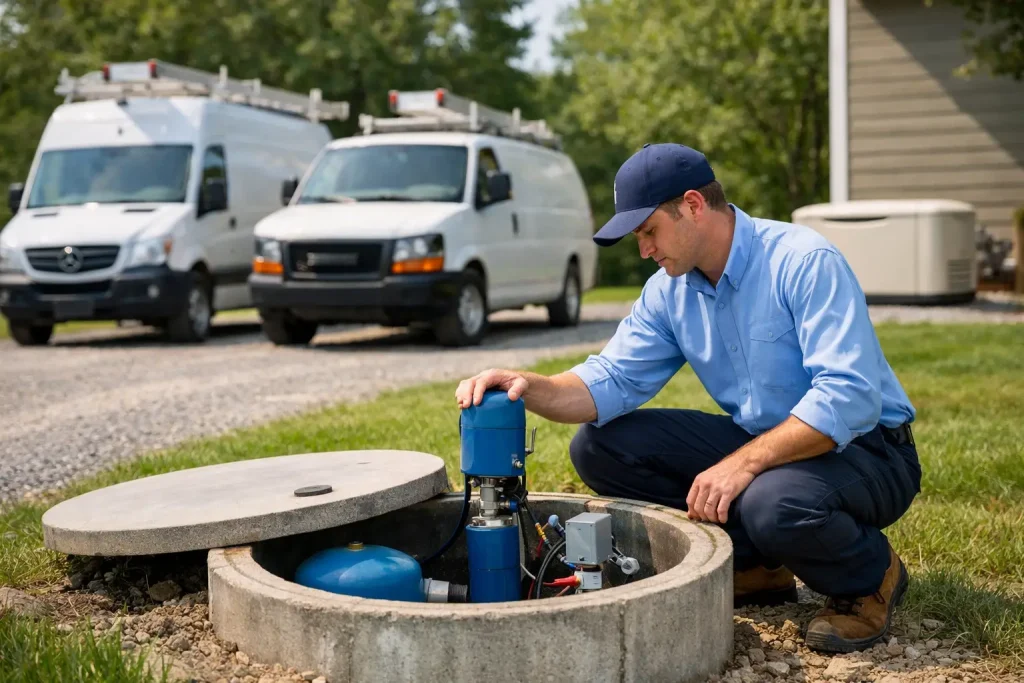
A private well system is more than the pump down the well. It includes electrical controls, a pressure switch, pressure tank, plumbing connections, and often water treatment equipment. A fault in any one of these components can look like a pump failure. Proper troubleshooting helps avoid unnecessary replacements and protects the equipment that keeps your home supplied with water.
Signs Your Well Pump Needs Attention
No water is the clearest sign of a serious issue, but it is not the only one. A sudden loss of water can result from a tripped breaker, a damaged pump control, a failed pressure switch, a depleted well, a broken pipe, or a failed submersible pump. Because electricity and water are both involved, avoid opening electrical control boxes or attempting wiring repairs yourself.
Low or inconsistent water pressure also deserves prompt attention. If pressure fades while several fixtures are running, the system may be struggling to keep up with demand. If it rises and falls repeatedly during ordinary use, the pressure tank, switch settings, or pump controls may be contributing to the problem.
Listen for short cycling. This happens when the pump turns on and off in quick, frequent bursts, even when only a small amount of water is being used. Short cycling can put unnecessary wear on the pump motor and electrical components. A compromised pressure tank bladder is a common cause, but a technician should test the full system before settling on a repair.
Other warning signs include air sputtering from faucets, cloudy or sandy water, a noticeable change in water quality, or unusually high electrical use related to the pump. Sediment can indicate a problem at the well or with a component in the system. Changes in taste, odor, or appearance should also be evaluated with water quality in mind, especially if your home relies on treatment equipment.
What to Check Before Calling for Well Pump Service in Iroquois
A few simple checks can provide useful information without putting anyone at risk. First, confirm whether the issue affects every fixture in the home. If only one faucet has low pressure, the cause may be a clogged aerator, a fixture cartridge, or a local plumbing issue rather than the well system.
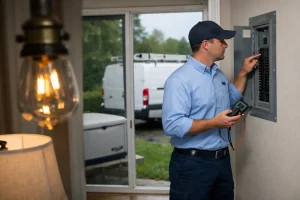
Next, check the electrical panel for a tripped breaker. If the well pump breaker has tripped, reset it once only if it is safe to do so. If it trips again, leave it off and arrange service. Repeated tripping can point to a wiring fault, a failing motor, moisture in an electrical component, or another condition that requires qualified diagnosis.
Look for visible leaks around the pressure tank, nearby plumbing, and water treatment equipment. Also note the pressure gauge reading, whether the pump can be heard running, and when the water problem began. These details help a technician narrow down the issue quickly.
Do not remove the cover from a pressure switch or pump control box. These components may carry live voltage. Do not keep resetting breakers or run the pump continuously in an attempt to restore pressure. If the well is low or the pump is struggling, continued operation can cause further damage.
Why a Complete Diagnosis Matters
Well systems are interconnected, so the symptom does not always identify the failed part. For example, a home with no water may have a working pump but a faulty pressure switch. A pump that seems to run constantly may be responding to a hidden plumbing leak, a failed check valve, or a pressure tank issue.
A qualified service visit should assess the electrical supply, controls, pressure tank operation, pressure settings, plumbing connections, pump performance, and water flow. If the property has a water softener, filtration system, UV unit, or other treatment equipment, those components may need to be reviewed as well. A clogged filter or failing treatment component can reduce usable water flow and create confusion about the source of the issue.
This full-system approach is particularly valuable in older homes, cottages converted for year-round use, and properties that have had renovations. New fixtures, added bathrooms, irrigation demands, or changes to plumbing layout can alter how much water the household needs. A well pump system that once met the demand may need adjustment or an upgrade to serve the property reliably.
Repair or Replacement: What Determines the Right Choice?
Some well pump problems can be corrected by replacing a pressure switch, tank, control box, wiring connection, or damaged plumbing component. These repairs can restore proper cycling and pressure without replacing the pump itself.
Replacement may be the practical option when the pump motor has failed, the unit is near the end of its service life, or repeated repairs are affecting reliability. The condition of the well, pump depth, water demand, electrical capacity, and existing pressure system all matter when planning a replacement. Installing the wrong pump size can lead to weak pressure, short cycling, or excessive wear.
A properly planned replacement considers the household’s real needs. A small home with one bathroom has different requirements than a property with multiple bathrooms, a large family, livestock use, a workshop, or seasonal irrigation. The goal is not simply a stronger pump. It is a balanced system that delivers dependable flow without overstressing the well or equipment.
Protecting Your Well Pump Through the Year
Many pump failures are not completely predictable, but routine attention can help catch problems early. Keep the area around the pressure tank accessible and dry, and avoid storing items where they can damage piping or make service difficult. Watch the pressure gauge occasionally and pay attention to new sounds, changing water pressure, or frequent cycling.
If your home has water treatment equipment, follow the maintenance schedule for filters, softener salt, UV lamps, and other serviceable parts. Restricted filters can reduce flow, while neglected treatment equipment can affect water quality and system performance.
Winter protection also matters in Eastern Ontario. Pipes, pressure tanks, and treatment equipment located in cold areas need proper insulation and dependable heat. A frozen pipe can interrupt water service and cause serious damage when it thaws. For seasonal properties, a proper shutdown and winterization plan can help protect the plumbing and well system during vacancy.
Power outages are another consideration for homes on private wells. Without electricity, the pump cannot supply water. A correctly planned backup generator can keep essential well-pump equipment operating during an outage, but the generator, electrical connection, and pump load must be matched safely. This is one area where coordinated electrical and plumbing expertise is especially useful.
When a No-Water Problem Is an Emergency
Loss of water can quickly affect drinking, cooking, sanitation, heating equipment, and daily routines. Call for professional help promptly if there is no water throughout the home, the breaker will not remain on, the pump is running continuously, or you see water leaking near electrical equipment.
If you have vulnerable family members, a business operation, tenants, animals, or a heating system that depends on a water supply, act sooner rather than later. Temporary workarounds may help with basic needs, but they do not resolve the underlying system problem.
SDR Electric, Plumbing & Heating Inc. can assess well pump issues alongside the plumbing and electrical systems that support them, giving property owners a clear path from diagnosis to repair or replacement. When your water supply starts sending warning signs, responding early is usually the best way to protect your home, equipment, and peace of mind.
Common Well Pump Questions
Why does my well pump keep turning on and off?
Frequent cycling often points to a pressure tank problem, incorrect pressure settings, a leak, or a control issue. Because constant cycling can shorten pump life, it should be checked before the pump is damaged.
Can low water pressure mean the pump is failing?
It can, but low pressure may also come from a clogged filter, treatment equipment, a pressure tank issue, restricted plumbing, or a fixture problem. Testing the complete system is the reliable way to find the cause.
How do I know if my well is running low?
Signs can include reduced flow after extended water use, cloudy or sandy water, sputtering faucets, or a pump that runs without building normal pressure. A technician can help distinguish a low-yield well issue from a pump or plumbing fault.