A power outage is more than an inconvenience when your home depends on a well pump, sump pump, furnace blower, refrigerator, or medical equipment. The best backup power options are the ones that keep the systems you actually rely on running, without creating a safety risk or forcing you to manage a complicated setup in poor weather.
For homeowners in Eastern Ontario, the right choice often comes down to outage frequency, fuel availability, the electrical loads in the home, and how much hands-on involvement you want during an outage. A small portable unit may be enough for occasional short interruptions. A permanently installed generator may be the better fit when keeping water, heat, and critical circuits operating is non-negotiable.
Start With the Loads That Matter Most
Before choosing equipment, identify what must work when utility power is out. That list is different for every property. A homeowner on municipal water may only need refrigeration, lighting, internet, and a furnace. A rural property with a well may need a pump to provide water. Homes with finished basements may depend on a sump pump to prevent water damage during a heavy storm.
Common priority loads include the furnace or boiler controls, a heat pump, refrigerator and freezer, sump pump, well pump, selected lights and outlets, internet equipment, garage door opener, and security systems. Some homeowners also want to support central air conditioning, electric cooking, laundry equipment, or most of the home. Those larger loads significantly affect generator size and system design.
It is not enough to add up the wattage printed on every appliance. Motors in pumps, refrigerators, and HVAC equipment can require higher starting power than their normal running load. An electrical assessment helps determine both the steady demand and the starting demand, so the backup system can handle the load without tripping, bogging down, or damaging equipment.
Best Backup Power Options for Different Needs
Portable generators for limited, temporary coverage
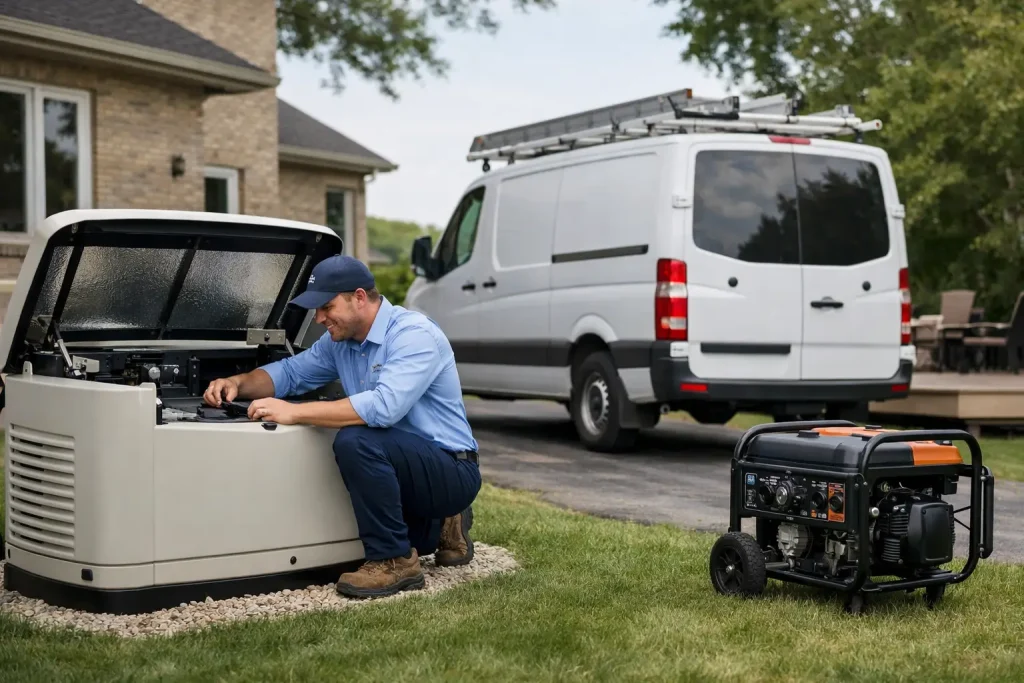
A portable generator is often a practical option for short, occasional outages when you want to keep a few essentials running. Depending on its capacity and connection method, it may support refrigeration, lights, a few receptacles, and possibly a furnace or sump pump.
The key limitation is that it requires active setup. The generator must be moved outdoors, started, fueled, and monitored. It also needs a safe electrical connection. Extension cords can work for a few individual appliances, but they are not a good long-term approach for hardwired equipment such as a furnace, well pump, or sump pump.
A properly installed transfer switch or generator interlock allows selected circuits to be powered safely. It prevents generator electricity from backfeeding into utility lines, which can endanger utility workers and damage electrical equipment. Never connect a generator to a household outlet or operate it in a garage, basement, enclosed porch, or near doors and windows. Carbon monoxide can enter a home quickly and without warning.
Portable units make sense when outages are infrequent, the required loads are modest, and someone is available to operate the equipment. They are less suitable for homeowners who travel often, have mobility limitations, or need power restored automatically.
Inverter generators for quieter, sensitive-load use
Inverter generators are a type of portable generator designed to provide cleaner, more stable power. They are often quieter than conventional portable models and can be a good choice for powering electronics, communication equipment, and selected household loads.
Their capacity is usually more limited than that of larger conventional portable generators, although some can be paired together for additional output. They remain a manual solution, with the same requirements for outdoor operation, safe fueling, and a proper connection to the home.
For a homeowner who wants to keep a refrigerator, modem, lights, and a few small loads running during a brief outage, an inverter generator can be a sensible fit. It may not be enough for a well pump, electric heat, central air conditioner, or several motor-driven appliances operating at once.
Standby generators for automatic whole-home or priority-load power
A standby generator is permanently installed outside the home and connected through an automatic transfer switch. When utility power fails, the system detects the outage, starts the generator, and transfers the selected electrical loads automatically. When utility power returns, it transfers the home back to normal utility service and shuts the generator down.
For many properties, this is the most dependable option because it does not rely on someone being home to set it up. Standby generators typically operate on natural gas or propane, which avoids the frequent refueling required by portable gasoline units. The generator can be configured to power critical circuits or, with appropriate sizing and load management, much of the home.
A professionally planned installation considers more than the generator itself. It includes electrical load calculations, transfer equipment, fuel supply, outdoor placement, clearance requirements, grounding, local permits, and coordination with other building systems. If the home has a well pump, sump pump, HVAC equipment, water treatment equipment, or electric vehicle charging, those loads need to be considered early in the planning process.
Battery backup systems for quiet, fuel-free operation
Home battery systems store electricity for later use. During an outage, they can supply selected circuits automatically and operate quietly with no fuel combustion at the property. They can be useful for shorter outages and for homes that prioritize lighting, refrigeration, internet, security, and electronics.
Battery backup has clear limits. It does not create power on its own, and its runtime depends on battery capacity and the loads connected to it. Large electric heating loads, well pumps, central air conditioning, and other high-demand equipment can drain stored energy quickly. Solar panels may help recharge batteries, but most standard grid-tied solar systems shut down during an outage unless they are specifically designed to operate with battery backup and appropriate controls.
Battery systems can be an excellent fit for quiet, automatic support of essential loads. For extended outages or homes with major pump and heating demands, a generator or a combined battery-generator strategy may provide more practical coverage.
Choosing Between Essential Circuits and Whole-Home Coverage
The phrase “whole-home backup” can mean different things. In some cases, it means every circuit can receive power, but the household still needs to manage what runs at the same time. In other cases, it means the system is sized and controlled to support normal operation of most major equipment.
Essential-circuit backup focuses on the loads that protect comfort and property: heat controls, refrigeration, water pumps, sump pumps, lights, and communications. This approach can reduce the size of the required equipment and makes it easier to manage electrical demand.
Whole-home coverage is valuable for properties with frequent outages, work-from-home requirements, vulnerable occupants, or critical equipment. It requires a detailed look at electrical demand, especially if the home uses electric heat, central air conditioning, a hot tub, large shop tools, or other high-consumption equipment. Load-management controls can temporarily prioritize critical loads while preventing overloads.
Safety and Installation Are Part of the Backup Plan
Backup power equipment connects to the most important electrical systems in your home. That is why installation quality matters as much as generator capacity. A system that is improperly connected, undersized, poorly located, or supplied by an inadequate fuel source can fail when it is needed most.
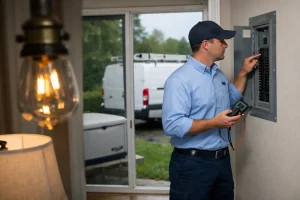
A qualified installer should review the electrical panel, the equipment you want to run, motor starting loads, available fuel, transfer equipment, and site conditions. For standby systems, the generator location must allow safe exhaust discharge, service access, and compliance with required clearances. For portable-generator connections, the inlet, interlock or transfer switch, and selected circuits should be installed and clearly labeled before an emergency occurs.
Regular testing is equally important. A generator that has not been exercised or maintained may not start during a storm. Batteries should be monitored, portable units should be kept in ready condition, and homeowners should understand which appliances can run together during an outage.
A Practical Way to Make the Decision
Start by asking what an outage would interrupt at your property. If losing power means no water from a well, no sump pump protection, no heat circulation, or no way to preserve refrigerated food, those needs should lead the conversation. Then decide whether you are comfortable with manual operation or need an automatic system that responds while you are away.
For short outages and limited loads, a portable or inverter generator with a safe transfer connection may be enough. For automatic protection of essential home systems, a standby generator is often the most dependable choice. For quiet backup of smaller loads, a battery system can be a strong option, particularly when paired with a carefully planned electrical panel setup.
The best backup plan is the one that reflects how your home actually operates. A properly sized, safely installed system gives you more than electricity during an outage – it helps protect your water, heat, food, basement, and peace of mind when the weather is at its worst.