A winter storm does not wait until it is convenient. When the power drops, a home can quickly lose heat, refrigeration, internet, sump-pump protection, well-water pressure, and the ability to charge essential devices. Backup generators give homeowners a planned response to that situation instead of a scramble for extension cords, fuel cans, and temporary workarounds.
The right system is not simply the biggest generator available. It needs to match the property, the equipment that must keep running, the available fuel source, and the way the electrical system is designed. A properly planned installation protects people and equipment while keeping the most important parts of the home operating during an outage.
What Backup Generators Can Keep Running
A backup generator can be set up to power selected circuits or, in some cases, nearly the entire home. The best approach depends on how the home is used and what systems are already installed.
For many properties in Eastern Ontario, the priority list starts with heat, water, and flood prevention. If a home has a well pump, it needs electricity to deliver water. If it relies on a sump pump, an outage during heavy rain or spring thaw can create a serious risk. Homes with electrically controlled furnaces, boilers, heat pumps, or pellet stoves may also lose heat even when the fuel source itself is still available.
Common essential loads include a furnace or boiler, well pump, sump pump, refrigerator, freezer, lighting, internet equipment, garage door opener, security system, and a few kitchen receptacles. A larger standby system may support central air conditioning, electric appliances, a workshop, or more of the home’s panel. That is useful for some households, but it is not automatically necessary for every property.
The goal is to decide what must operate safely and comfortably through an outage. That conversation should happen before equipment is selected.
Portable or Standby: Choose for the Way You Live
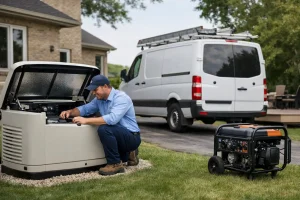
Portable generators can be a practical solution for short or occasional outages. They are typically stored until needed, then positioned outdoors and connected to a properly installed inlet and transfer arrangement. They require hands-on setup, refueling, and safe storage of fuel. For a homeowner who is usually present and comfortable following the operating process, this can be a sensible option.
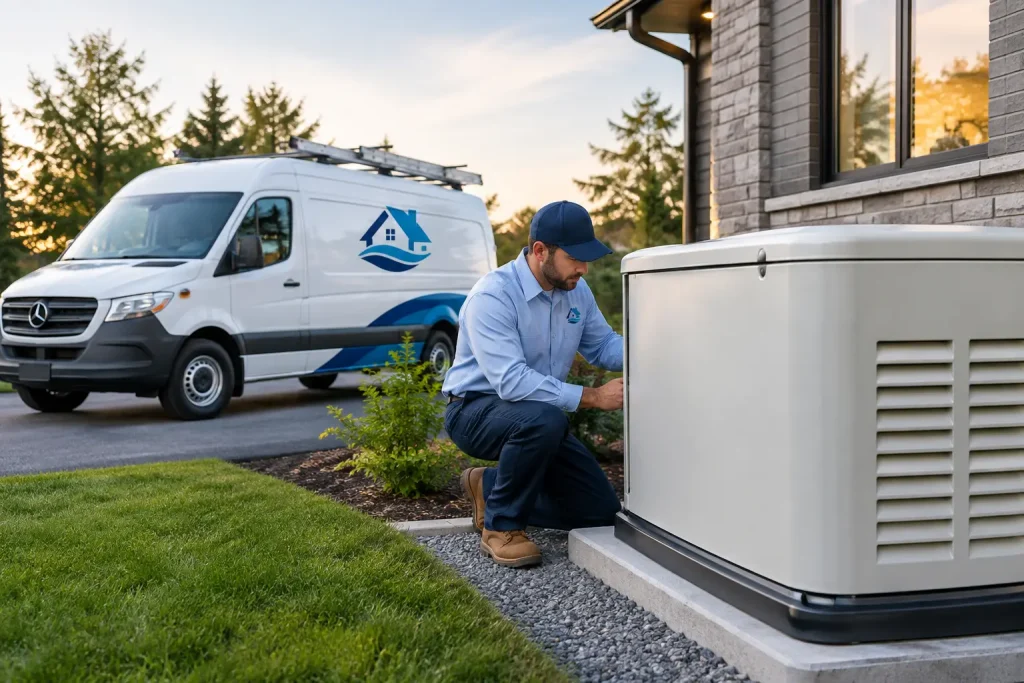
A standby generator is permanently installed outside the home and starts automatically when utility power fails. It is connected to the electrical system through an automatic transfer switch and usually runs on natural gas or propane. This option is often a better fit for homeowners who travel, have medical or mobility needs, rely on a sump or well pump, or want the property protected without being there to start a machine.
Neither choice is universally better. A portable unit may cover a smaller set of critical loads with more owner involvement. A standby unit offers automatic operation and greater capacity, but it needs more detailed planning around location, fuel supply, electrical integration, and service access.
Sizing a Generator Starts With Your Actual Loads
Generator sizing is where many backup-power plans go wrong. It is easy to add up the wattage listed on appliances and assume that is the answer. In practice, motors and compressors often need more power to start than they use while running. A well pump, sump pump, refrigerator, heat pump, or air conditioner can create a short but significant starting load.
A qualified assessment looks at the electrical panel, heating equipment, pumps, major appliances, and the circuits the homeowner wants energized. It also considers whether certain loads can be managed so they do not start at the same time. Load management can allow a standby system to serve a home efficiently without oversizing the generator.
A home with a gas furnace and municipal water has different backup needs than a rural property with a well pump, septic equipment, electric heat, and a finished basement protected by multiple sump pumps. A commercial building has another set of considerations, including refrigeration, data equipment, emergency lighting, and operational downtime.
This is why generator sizing should be based on the property rather than a generic recommendation. The system should have enough capacity for real-world use while avoiding unnecessary strain and complicated operation.
The Transfer Switch Is a Safety Requirement
A generator must never feed power back through a home’s electrical panel without approved equipment. This dangerous practice, often called backfeeding, can energize utility lines and put utility workers, neighbors, and occupants at risk. It can also damage electrical equipment when normal power returns.
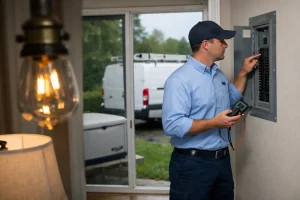
A transfer switch safely separates the home from the utility supply before generator power is connected. With a manual transfer switch, the homeowner changes the power source following a clear operating procedure. With an automatic transfer switch, the system detects the outage, starts the standby generator, transfers the selected loads, and returns the home to utility power when service is restored.
The transfer switch also defines what the generator will power. It may serve a dedicated emergency panel, selected circuits, or the full service panel with load management. The correct setup depends on the generator capacity and the home’s electrical design.
Licensed electrical installation matters here. Backup power is connected to a building’s main electrical infrastructure, not simply plugged into a wall outlet. Proper permits, code-compliant wiring, grounding, disconnects, and equipment placement are part of a safe installation.
Fuel Planning Matters as Much as Generator Capacity
A generator cannot protect the home if its fuel supply is not dependable. Portable units may run on gasoline, propane, or dual-fuel arrangements. Standby generators commonly use natural gas or propane.
Natural gas can be convenient where service is available because it does not require refueling during an extended outage. However, the gas line and meter capacity must be evaluated to confirm the generator can receive the fuel volume it needs while other gas appliances operate.
Propane is often a strong choice for rural properties and locations without natural gas. The tank size, fuel level, supply piping, regulator capacity, and expected run time all need to be considered. During a long outage, a generator may run for days, particularly if it is supporting heating, water, and household essentials.
Fuel work and electrical work often intersect on generator projects. Coordinated planning helps prevent a situation where the generator is installed but the fuel connection, panel changes, or required clearances have not been properly addressed.
Placement, Noise, and Weather Exposure
A standby generator needs an outdoor location that meets manufacturer requirements and local code. It must have adequate clearance from doors, windows, vents, combustible materials, and property features. Exhaust gases must be directed safely away from the building.
The location should also allow service technicians to access the unit and protect it from roof runoff, drifting snow, and physical damage. Noise is worth discussing early, especially on smaller lots or near bedrooms and outdoor living spaces. Generator sound levels vary by unit size, load, enclosure design, and placement.
Portable generators require even more attention during use. They belong outdoors, well away from doors, windows, garages, sheds, and any area where exhaust could enter the building. Carbon monoxide is odorless and dangerous. Never operate a portable generator in a garage, even with the door open.
Maintenance Keeps Backup Power Ready
A generator is emergency equipment, which means it has to work after sitting unused for weeks or months. Standby generators normally perform scheduled self-tests, but those exercises do not replace professional maintenance. Oil, filters, batteries, electrical connections, fuel components, coolant where applicable, and fault codes all need periodic attention.
Portable units also need a routine. Fuel can degrade, batteries can fail, and carburetors can gum up after storage. Run the unit according to the manufacturer’s guidance, inspect the cords and inlet connection, and keep the operating instructions where they can be found during an outage.
Before storm season, test the transfer process and confirm every household member who may use the system understands the basic steps. If the home depends on a well pump, sump pump, or electrically controlled heat, do not wait for the first major outage to learn whether the system supports those loads.
When a Generator Project Needs More Than Electrical Work
Backup power often connects several building systems. A generator may require electrical panel upgrades, gas or propane piping, equipment pad preparation, ventilation clearances, heating-system review, and pump circuit assessment. For renovations and new builds, planning these elements together is far easier than trying to add them after walls, landscaping, and mechanical systems are complete.
SDR Electric, Plumbing & Heating Inc. can coordinate the electrical, generator, and related mechanical work so the installation is planned around how the property actually operates. That is particularly valuable when backup power needs to protect a well pump, sump pump, heating equipment, or other essential systems that cross trade lines.
A power outage is stressful enough. The most useful generator plan is one built before the storm: clear about what will run, safely connected, properly fueled, and maintained so it is ready when the lights go out.