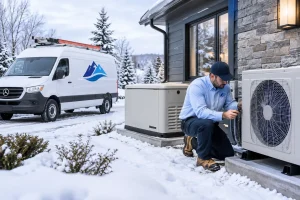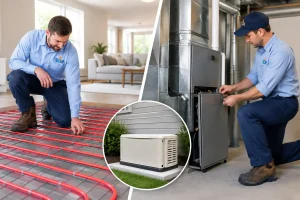
A winter storm, fallen tree, or equipment failure can turn a normal power outage into a property problem quickly. Without backup power, a home may lose heat, a well pump may stop supplying water, a sump pump may be unable to control groundwater, and refrigerated food or business equipment may be at risk. The right solution is not simply buying a generator. It is planning for the systems your property needs most and installing equipment that can operate safely when utility power is unavailable.
For homeowners and property owners across Eastern Ontario, that planning often starts with a practical question: what must keep working if the outage lasts several hours or several days?
Start With the Systems That Cannot Wait
Every property has different priorities. A town home with municipal water may need heat, lighting, refrigeration, internet equipment, and a few outlets. A rural home on a well may also depend on electricity for water pressure, water treatment, and sewage or sump pumping. A building with a finished basement may place the sump pump at the top of the list, especially during spring thaw or heavy rainfall.
Start by separating essential loads from convenience loads. Essential loads are the equipment that protects people, the building, and basic daily living. These may include a furnace or boiler, blower motors, a heat pump control system, well pump, sump pump, refrigerator, freezer, selected lights, security equipment, garage door opener, and a limited number of receptacles.
Convenience loads can include electric ranges, dryers, hot tubs, large workshop tools, and some electric heating equipment. These systems can require substantial power and may not be practical to run from a smaller generator. A licensed electrical assessment helps identify which equipment should be supported and whether a larger standby system or a dedicated essential-load panel makes more sense.
Do Not Estimate From Appliance Labels Alone
Some equipment needs more electricity to start than it uses while running. Motors in pumps, furnaces, refrigerators, and air-conditioning equipment can create a high starting demand. If the generator is undersized, it may trip, stall, or fail to start the equipment when it is needed.
A proper load calculation considers running watts, starting watts, voltage requirements, and which loads could operate at the same time. It also considers the condition of the existing electrical service and panel. This is especially important in older homes, rural properties, renovations, and buildings where electrical and mechanical systems have been added over time.
Choosing the Right Backup Power Approach
Most property owners choose between a portable generator and a permanently installed standby generator. Both can be useful, but they serve different needs.
A portable generator is typically used during an outage and requires hands-on setup. It can be a practical option for limited essential loads when it is connected through approved equipment, such as a properly installed generator inlet and transfer device. It must operate outdoors, well away from doors, windows, vents, and attached structures to prevent carbon monoxide from entering the building.
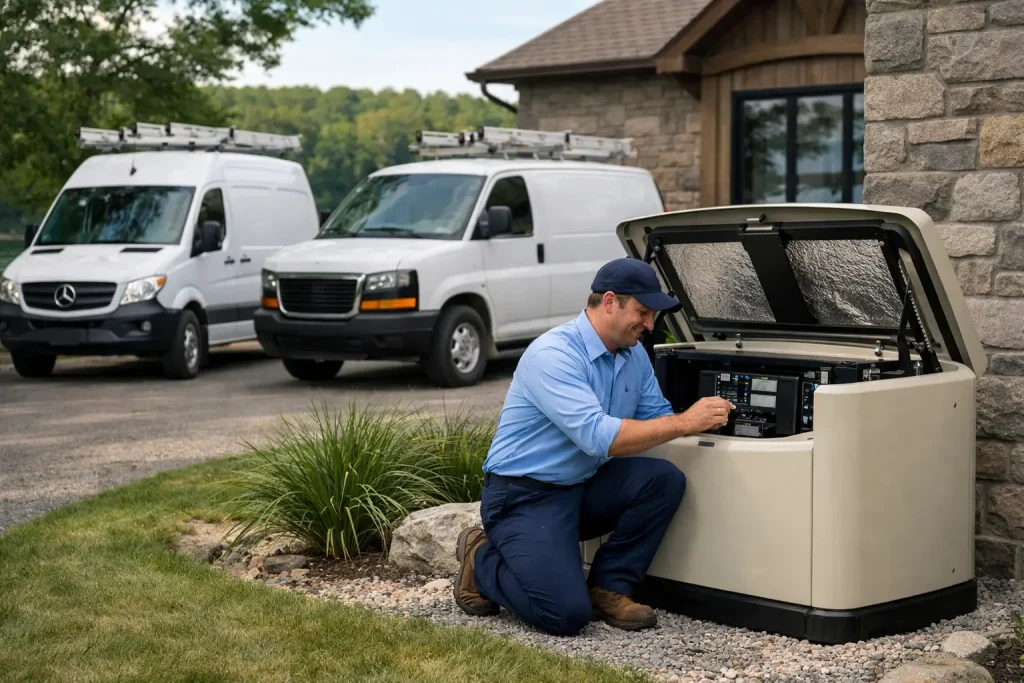
A standby generator is permanently installed outside the home or building. When utility power fails, an automatic transfer switch separates the property from the utility supply and starts the generator. Once utility power is restored and stable, the system transfers back. This option is often a better fit for properties where power loss can affect water supply, sump pumping, heating, medical equipment, security, livestock, or business operations.
The right choice depends on how often outages occur, how long they tend to last, the systems being protected, and whether someone will reliably be available to set up and monitor a portable unit. A seasonal cottage, rental property, or rural home may need a different approach than an occupied home with a homeowner present during most outages.
Why a Transfer Switch Matters
A generator should never be connected to a home or building by plugging it into a regular outlet or attempting to feed power backward through the electrical system. This dangerous practice can energize utility lines, put utility workers at risk, damage equipment, and create fire hazards.
A transfer switch or approved interlock arrangement allows generator power to be used safely while preventing the generator and utility supply from feeding the building at the same time. It also gives the electrical system a clear, controlled path for supplying selected circuits or the full service, depending on the design.
This work should be planned and installed by qualified, licensed electrical professionals. Safe backup power requires more than a generator connection. It requires correct wiring, overcurrent protection, grounding, equipment placement, utility coordination where required, and a system sized for the loads it is intended to carry.
Backup Power for Wells, Sump Pumps, and Heating
Electrical, plumbing, and heating systems often depend on one another during an outage. That is why backup power planning works best when the whole property is considered.
For a well system, the generator must support the well pump and pressure system. If the property has water treatment equipment, softeners, or ultraviolet treatment, those components may also need consideration. While a water softener may not be essential during a short outage, a well pump usually is. Without it, toilets may not refill and there may be no running water for cooking, washing, or cleaning.
For sump protection, a primary sump pump powered by the generator can be highly effective, but it should not be the only safeguard. A battery backup pump or water-powered backup system, where suitable, can provide an additional layer of protection if the generator has a fault, runs out of fuel, or is not operating when the water level rises. The best setup depends on the basement, drainage conditions, and the reliability of the primary pump.
Heating also needs a closer look. Many gas, propane, and oil-fired furnaces still require electricity for controls, ignition, circulation pumps, or blower motors. A boiler may need power for pumps and controls. Some wood or pellet appliances use fans or augers. Even if the fuel source is available, the heating system may not run without electrical power.
Central air conditioning is usually not a priority during a short outage, but some homeowners may choose to include it in a larger standby system. In contrast, electric baseboard heat, electric furnaces, and electric water heaters can demand enough power to significantly change generator sizing. A practical plan may support a smaller portion of heating load rather than attempting to operate every electric appliance at once.
Fuel, Placement, and Maintenance Are Part of the Plan
A generator is only useful if it starts, runs safely, and has fuel available. Portable generators commonly use gasoline, propane, or dual-fuel arrangements. Standby systems may use propane or natural gas, depending on the property and available utility service. Fuel choice affects runtime, storage requirements, refueling plans, and cold-weather performance.
Outdoor placement also matters. Equipment needs required clearances from openings, combustible materials, property lines, and service access areas. It must be located where exhaust will not enter the home and where snow, ice, drainage, and landscaping will not interfere with operation. A generator installation should be planned around the building, not placed wherever there happens to be open ground.
Routine maintenance protects the investment and reduces surprises during an outage. Standby generators generally perform scheduled self-tests, but they still need professional servicing based on the manufacturer’s requirements. Portable units should be started periodically, inspected, and kept with fresh, properly stored fuel. Extension cords, inlet connections, and transfer equipment should also be checked before storm season rather than during an emergency.
Plan Backup Power Before the Next Outage
The best time to make decisions about generator capacity, protected circuits, fuel supply, and equipment location is when utility power is working. Planning ahead gives you time to assess the electrical service, identify connected mechanical systems, and choose a setup that matches how the property is actually used.
For complex homes, rural properties, renovations, and commercial spaces, coordinated electrical, plumbing, heating, and generator planning can prevent gaps that are easy to miss when each system is considered separately. SDR Electric, Plumbing & Heating can help evaluate the loads that matter to your property and build a safe, practical plan for outages before the next storm puts that plan to the test.