A receptacle can appear to work perfectly while a serious safety problem sits behind the wall or at the electrical panel. Electrical grounding gives unwanted fault current a controlled path back to the electrical system, helping protective devices respond when something goes wrong. It is one of the parts of a home’s wiring that homeowners rarely see, but it plays a direct role in preventing shock hazards, equipment damage, and electrical fires.
For homes, cottages, businesses, and renovation projects across Eastern Ontario, grounding is not a cosmetic upgrade or an optional detail. It is a core part of a safe electrical installation. If you have an older panel, two-prong outlets, recurring breaker issues, a standby generator, or plans to renovate, it is worth understanding what grounding does and when to have it checked.
What Electrical Grounding Actually Does
Grounding connects selected non-current-carrying metal parts of an electrical system to earth and provides a low-resistance path for fault current. In plain language, if a live wire contacts the metal case of an appliance, electrical box, or other conductive component, grounding helps direct that dangerous current where it can trigger the breaker or fuse to disconnect power.
Without an effective ground path, the metal surface may remain energized. The next person who touches it while also in contact with a grounded surface – a concrete floor, plumbing fixture, damp ground, or another appliance – could become the path to ground. That is the risk grounding is designed to reduce.
Grounding also helps stabilize voltage in the electrical system and supports the safe operation of modern surge protection, sensitive electronics, and certain safety devices. It does not prevent every electrical problem by itself. A properly grounded system still needs correctly sized breakers, sound wiring connections, appropriate GFCI protection, and a panel that is in good condition.
Grounding and Bonding Are Not the Same Thing
The terms are often used together, but they serve different purposes.
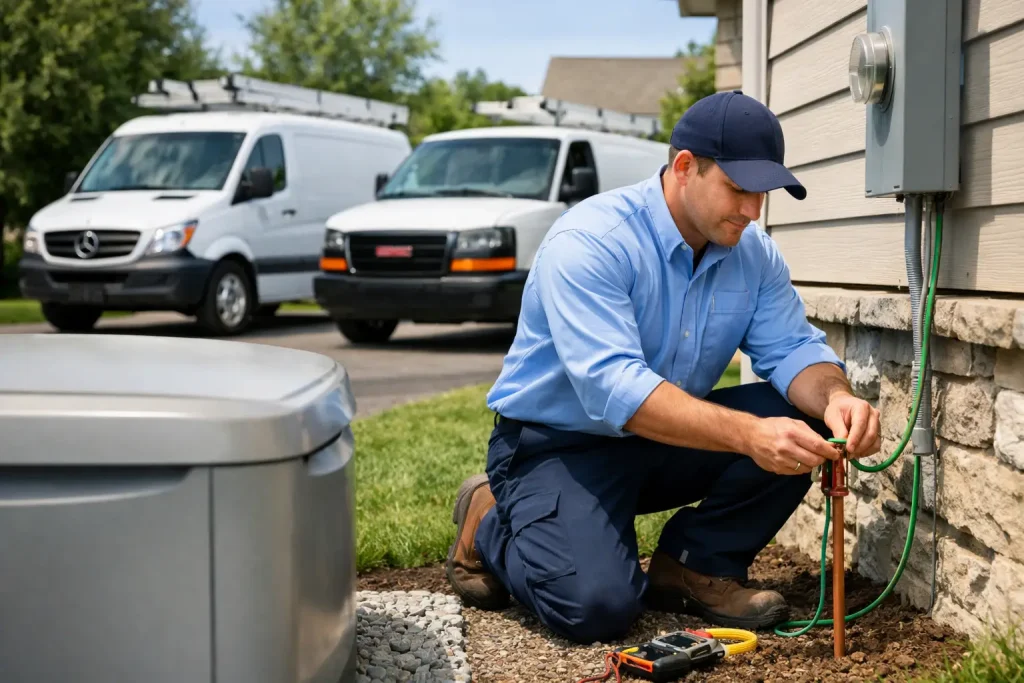
Grounding connects the electrical system to earth through the grounding electrode system. Depending on the property, this may involve grounding electrodes, approved connections to a foundation electrode, or other code-compliant methods.
Bonding connects metal components together so they remain at the same electrical potential and provide a reliable fault-current path. Examples can include metal electrical enclosures, raceways, and other conductive components that need to be connected as part of the electrical system.
This distinction matters in homes with electrical and plumbing work occurring at the same time. Metal piping, service equipment, water heaters, mechanical rooms, and generator installations can create interconnected safety considerations. The correct approach depends on the system layout, the materials present, and the applicable electrical code. A licensed electrician should assess the full installation rather than relying on a single visible wire or clamp.
Signs Your Grounding May Need Attention
Most grounding problems cannot be confirmed by looking at an outlet cover. However, certain situations should prompt an electrical assessment. Older homes may have ungrounded two-slot receptacles, outdated wiring methods, deteriorated connections, or panels that no longer suit the demands of the property.
Watch for outlets that are warm, loose, damaged, or repeatedly trip breakers. You should also take concerns seriously if you feel a tingle from an appliance or fixture, notice flickering lights, smell burning near electrical equipment, or experience recurring damage to electronics. Turn off power if it is safe to do so, avoid touching suspect equipment, and arrange professional service promptly.
Three-prong outlets do not automatically prove that a ground is present and functional. In some older properties, an outlet may have been replaced without providing a proper equipment grounding conductor. Plug-in testers can flag some obvious issues, but they are not a substitute for diagnosing the circuit, panel, connections, and grounding system correctly.
A few property situations deserve particular attention:
- An older home still has two-prong outlets or a mix of old and newer receptacles.
- A renovation is opening walls, adding circuits, or upgrading a kitchen, bathroom, laundry room, workshop, or basement.
- A generator is being added or modified, especially where transfer equipment and neutral bonding must be configured correctly.
- A panel replacement, service upgrade, or major appliance installation is planned.
- Water damage, lightning-related damage, rodent activity, corrosion, or prior amateur electrical work may have affected wiring.
Why Grounding Matters in Wet and Utility Areas
Bathrooms, kitchens, laundry areas, utility rooms, garages, and outdoor spaces combine electricity with moisture, metal, concrete, and grounded surfaces. These conditions can increase the consequences of a fault.
Grounding works alongside GFCI protection in these locations. A GFCI monitors the current flowing on a circuit and can shut off power quickly when it detects an imbalance. It is a valuable protection method, but it does not replace proper grounding, and grounding does not replace GFCI protection where it is required. A safe installation uses the protections appropriate to the circuit and location.
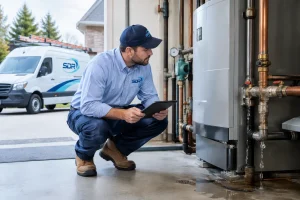
This is especially relevant in mechanical rooms where electrical panels, furnaces, air handlers, water treatment equipment, well pumps, sump pumps, and water heaters may be located close together. When several systems share a space, organized planning helps prevent missed electrical requirements during equipment replacements or renovations.
Grounding for Generators and Backup Power
Generator work is one area where assumptions can create real hazards. A portable generator, standby generator, transfer switch, and electrical service must be connected and configured as a complete system. Whether the generator neutral is bonded or floating, where the neutral-to-ground bond belongs, and how the transfer equipment switches conductors all affect the correct installation.
There is no safe one-size-fits-all answer. An arrangement that is appropriate for one generator setup may be wrong for another. Improper grounding or neutral bonding can interfere with fault protection, create objectionable current on grounding paths, or leave equipment operating in an unsafe condition.
A professionally planned backup-power installation considers the electrical service, transfer equipment, generator specifications, selected loads, grounding electrode system, and local code requirements together. This is one reason integrated electrical and mechanical planning is valuable when a generator is supporting well pumps, sump pumps, heating equipment, refrigeration, or other essential building systems.
What Happens During an Electrical Grounding Assessment
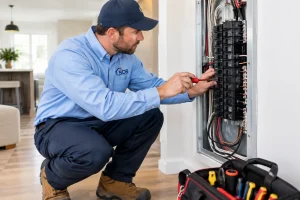
A qualified electrician starts by identifying the type and age of the electrical service, panel, circuits, and wiring methods. They inspect grounding and bonding connections, check for signs of corrosion or damage, and verify whether equipment enclosures and receptacles have an effective grounding path.
The inspection may also include testing circuit conditions, reviewing breaker and panel compatibility, and identifying where GFCI or other protective devices are needed. If a renovation, generator, new HVAC equipment, or plumbing upgrade is involved, the electrician should consider how the new work connects to the existing electrical system.
The best solution depends on what is found. Sometimes a repair involves correcting a loose or damaged connection. In other cases, the property may need circuit upgrades, panel work, approved grounding improvements, or a coordinated plan to address aging wiring. The goal is not simply to make an outlet tester show the expected lights. The goal is a safe, code-conscious system that works as a whole.
Avoid These Grounding Shortcuts
Do not remove the ground pin from a plug to fit an older outlet. That pin exists to connect equipment to the grounding path. Using a cheater adapter or modifying a plug can remove a layer of protection at the exact moment it may be needed.
It is also unsafe to connect a ground wire to random metal piping, use improvised clamps, or assume a metal box is grounded because it is metal. Water-pipe materials and connections vary, and a visual check cannot verify an effective fault path. Grounding and bonding work needs the correct conductors, connectors, locations, and testing.
If an appliance gives even a mild shock or tingle, treat it as a warning, not an inconvenience. Stop using the equipment and have the appliance and circuit evaluated. The problem may be within the appliance, the branch circuit, the receptacle, or the wider electrical system.
A safe electrical system is built from details that work together. When your home has aging wiring, unexplained electrical symptoms, or plans for a major upgrade, a licensed electrical assessment can turn uncertainty into a clear path forward. SDR Electric, Plumbing & Heating can help coordinate the electrical work with the plumbing, heating, cooling, and backup-power systems that depend on it.