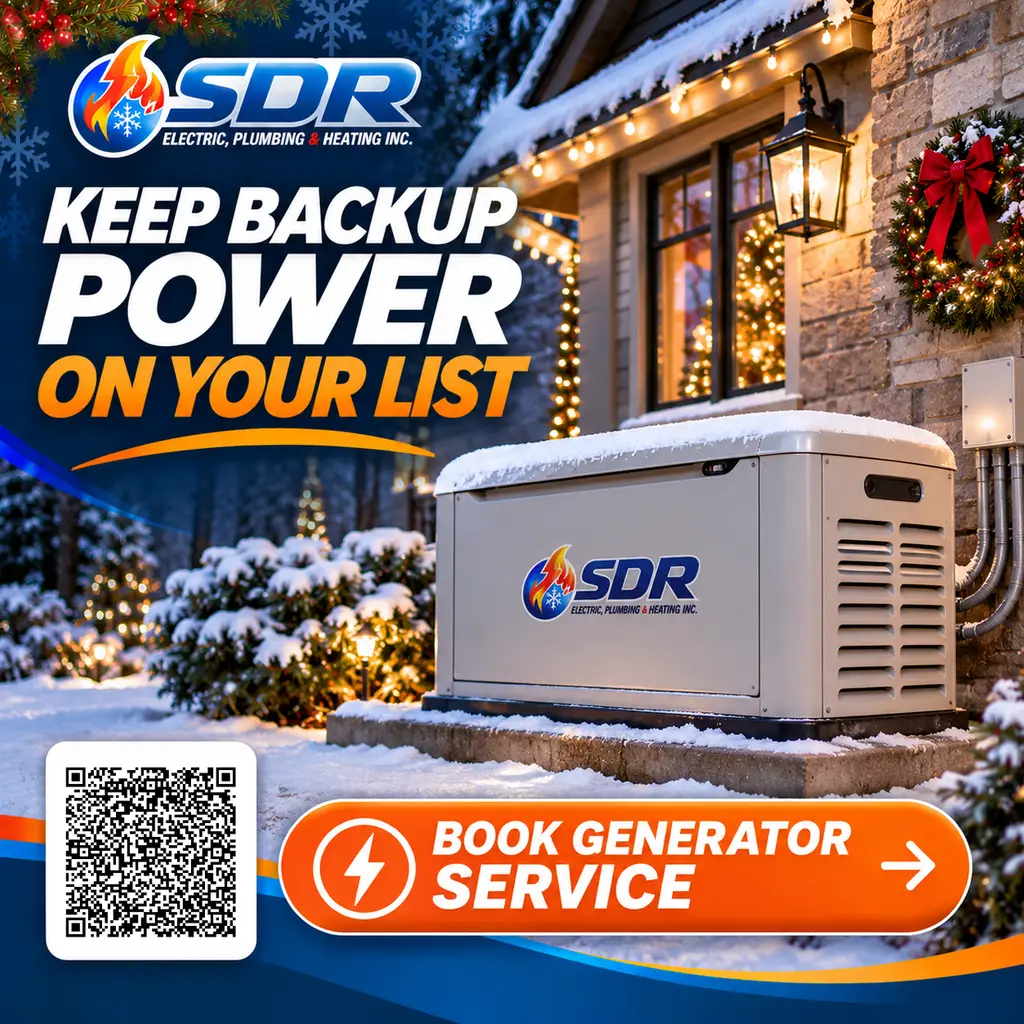
A standby generator is easy to forget about when the power is on. In winter, that can become a problem quickly. Winter standby generator maintenance for homeowners helps ensure the unit starts, transfers power safely, and supports essential household systems when snow, ice, wind, or a utility outage hits.
For homes with well pumps, sump pumps, electric heat equipment, refrigeration, or medical devices, backup power is more than a convenience. It protects the systems that keep a property safe and livable during severe weather. A few simple checks can help you spot issues early, while electrical and fuel-system work should be handled by a qualified generator technician.
Start With a Safe Visual Inspection
Choose a dry day before heavy snow arrives. Turn off the generator only if the manufacturer’s instructions allow for a safe homeowner inspection, and do not open electrical panels or remove guarded components. The goal is to look for visible concerns, not to perform internal repairs.
Walk around the enclosure and check that it is clear of leaves, grass, stored materials, snow buildup, and animal nesting material. A standby generator needs adequate airflow for cooling and exhaust. Keep vegetation trimmed and maintain the clearances specified by the manufacturer. Do not stack firewood, garbage bins, patio furniture, or snowbanks beside the unit.
Look for damaged enclosure panels, loose fasteners, corrosion, fluid stains, rodent-chewed wiring, or signs that the unit has shifted on its pad. Make sure exhaust areas are unobstructed. If you see fuel odor, damaged wiring, oil leaks, or physical damage, stop there and arrange service. Starting a generator with an active leak or damaged component can create a fire, electrical, or carbon monoxide risk.
Confirm the Generator Can Exercise Properly
Most automatic standby generators run a scheduled exercise cycle, often once a week. This brief run helps circulate oil, charge the battery, and identify a no-start condition before a real outage. Check the controller display for warning lights, fault codes, low battery messages, or overdue maintenance notices.
Listen during the exercise cycle if it is safe to do so. The generator should start without prolonged cranking, severe vibration, unusual knocking, surging, or heavy exhaust smoke. A short exercise run does not always prove the system can carry your home during an outage, but it is an early warning system.
Some installations are programmed to exercise without transferring the home onto generator power. That prevents an interruption to appliances, but it also means the transfer equipment is not tested during every exercise. Ask your service provider how your particular system is configured and whether a scheduled load test is appropriate.
Do Not Ignore a Battery Alert
Battery failure is one of the most common reasons a standby generator does not start. Cold weather reduces battery performance, and a battery that seemed acceptable in mild weather may fail during a January outage.
Check the controller for battery-related messages and look for visible corrosion around accessible battery connections. Do not attempt to jump-start or replace the battery unless you are comfortable with the manufacturer’s procedures and understand the electrical hazards involved. A technician can test the battery, charging circuit, and starting system before winter exposes a weak component.
Check the Fuel Supply Before Storm Season
Your generator can only run as long as it has a reliable fuel supply. For natural gas and propane units, inspect the visible fuel line area for damage or odor, but do not tighten fittings or test for leaks with an open flame. If you smell gas, leave the area and contact the appropriate emergency or fuel service provider.
Propane-powered generators deserve special attention before extended cold weather. Verify that the tank has sufficient fuel for your expected outage needs and that the fuel supplier can access the tank after snowfalls. A buried driveway, blocked gate, or unplowed path can complicate a delivery when it is needed most.
Natural gas generators do not require on-site refueling, but they still need properly sized piping and a dependable supply. If the generator has been added after other gas appliances, a professional should confirm that the fuel system remains suitable for the connected load.
Keep Snow, Ice, and Water Away From the Unit
Winter weather creates a maintenance issue that homeowners in Eastern Ontario know well: snow does not need to be deep to affect generator operation. Drifting snow can block intake or exhaust openings, while meltwater can refreeze around doors and service panels.
After a snowfall, carefully clear snow around the generator without striking the enclosure, wiring, or fuel piping. Use a broom or plastic shovel rather than a metal shovel near the equipment. Never cover a running generator with a tarp, blanket, or homemade enclosure. It needs ventilation, and trapped exhaust gases can create dangerous conditions.
Also inspect drainage around the generator pad. Water should not pool beneath or around the enclosure. Repeated freeze-thaw cycles can shift a pad, affect drainage, and allow moisture into places it does not belong. If the unit sits near a downspout or roof valley, redirecting runoff may protect it from ice buildup.
Test What the Generator Actually Supports
A standby system is designed around a planned electrical load. Some generators support the entire home, while others power selected circuits such as the furnace, refrigerator, well pump, sump pump, lights, and a few outlets. Homeowners should know which arrangement they have before an outage starts.
Review the transfer switch labeling and identify the equipment that will remain powered. This matters for homes with electrically powered heating equipment, water treatment systems, septic pumps, or well pumps. It also helps prevent overloading a managed system with high-demand appliances at the wrong time.
During a professionally supervised test, the generator can be checked under actual load. This verifies more than engine starting. It confirms that the automatic transfer switch operates correctly, the generator produces stable power, and priority circuits or load-management controls respond as intended. This is particularly useful after a renovation, new appliance installation, electrical panel upgrade, or change to heating equipment.
Schedule Professional Service at the Right Interval
Homeowner checks are valuable, but standby generators need regular professional maintenance based on run time, age, manufacturer requirements, and operating conditions. Service commonly includes oil and filter changes, air filter inspection, spark plug review where applicable, battery testing, controller diagnostics, fuel-system checks, and transfer switch inspection.
The right interval depends on the generator model and how often it runs. A unit that has carried a home through multiple long outages needs more attention than one that only completes short weekly exercise cycles. The maintenance schedule in the owner’s manual is the starting point, but service history and local winter conditions also matter.
A qualified technician can also review the electrical side of the installation. The generator, transfer switch, service equipment, grounding, and connected loads all need to work together. This is not a place for improvised wiring or do-it-yourself modifications. Changes to the home electrical system can affect generator capacity and safe operation.
Know When to Call for Service
Call for generator service if the unit displays a fault, fails to exercise, cranks slowly, starts and shuts down, produces unusual noise, shows a fluid leak, or has visible rodent damage. Service is also a good idea if the generator has run through a prolonged outage and has not received post-outage maintenance.
If the generator runs but the home does not receive power, the concern may involve the transfer switch, service panel, load controls, or a utility-side issue. Avoid opening energized equipment to investigate. A licensed electrical and generator team can trace the problem safely and determine whether the issue is with the generator or the home’s electrical system.
Prepare the Home Along With the Generator
Backup power works best when the rest of the property is ready for an outage. Keep carbon monoxide alarms installed and tested, have flashlights available, and make sure household members know where the generator is located and why they should stay clear of it. Keep the generator’s manual, service records, and emergency contact information in an accessible place.
For homes with a well pump, sump pump, or electrically controlled heating system, consider what happens if an outage lasts longer than expected. Knowing which systems are backed up – and which ones are not – gives you time to make practical decisions before the weather worsens.
A standby generator should be quiet in the background until it is needed. Giving it attention before winter helps keep it that way, and a professional inspection can provide added confidence before the next storm puts your home’s essential systems to the test.