A breaker that trips once after a storm may be a nuisance. A breaker that trips repeatedly, an outlet that feels warm, or lights that flicker when an appliance starts can point to a wiring problem that deserves attention. This residential wiring safety guide helps homeowners recognize the difference between a simple issue and a condition that needs a licensed electrician.
Electrical problems are not always visible behind walls and ceilings. The safest approach is to pay attention to changes, avoid temporary fixes, and have the system assessed before a small warning sign becomes damaged equipment, an electrical shock, or a fire risk.
Know the Warning Signs of Unsafe Wiring
Your electrical system should operate quietly and consistently. It should not smell hot, make buzzing sounds, or require frequent resets to keep everyday appliances running. A single tripped breaker can happen when too many devices are used on one circuit, but repeat trips are the electrical system doing its job: interrupting power because it has detected a potential overload or fault.
Call for professional electrical service if you notice four or more concerning conditions, including:
- Breakers that trip repeatedly or fuses that blow more than once
- Warm, discolored, loose, cracked, or sparking outlets and switches
- A burning odor, buzzing at a panel or outlet, or lights that flicker or dim unexpectedly
- Mild shocks or tingling when touching an appliance, switch, faucet, or metal fixture
Do not keep resetting a breaker to make the problem disappear. Resetting it without addressing the cause can leave a damaged wire, loose connection, overloaded circuit, or failing device energized.
If you see smoke, hear active arcing, or smell burning near electrical equipment, keep clear of the area, shut off power only if it can be done safely, and seek urgent help. Never use water on an electrical fire.
Why Older Homes Need a Closer Look
Many homes across Eastern Ontario have been updated room by room over decades. A renovated kitchen, new heat pump, garage workshop, electric vehicle charger, or finished basement can place demands on an electrical system that was not designed for modern loads.
Age alone does not make wiring unsafe. Older systems can remain serviceable when they have been properly maintained and upgraded. The concern is whether the panel capacity, circuit layout, grounding, wiring methods, and protective devices suit how the home is used now.
For example, a kitchen countertop outlet circuit should not also be carrying part of a finished basement. A garage used for power tools may need more than one general-purpose circuit. An EV charger, electric range, hot tub, or heat pump often requires dedicated electrical capacity and careful load planning. Adding equipment without evaluating the complete system can lead to overloaded circuits or a panel that is operating near its limits.
Homes with aluminum branch-circuit wiring require particular care. Aluminum can be safely managed in the right conditions, but connections, approved devices, and repair methods matter. This is not an area for guessing based on the color of a wire or replacing devices one at a time.
Panels, Breakers, and Labels Matter
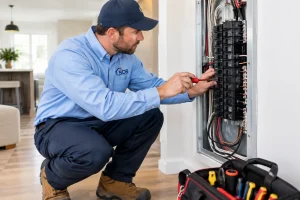
Your electrical panel is more than a row of switches. It distributes power, protects circuits, and gives electricians a clear point to isolate and diagnose issues. A panel should be accessible, dry, free of corrosion, and accurately labeled.
Labels such as “upstairs” or “plugs” are not very helpful during an urgent problem. Better labels identify the rooms, major equipment, and outlets served by each circuit. If a breaker does not appear to control what its label says, or multiple rooms lose power unexpectedly, an assessment can identify circuit changes made during past renovations.
Never remove a panel cover to investigate wiring. Even with the main breaker off, parts of a panel may still be energized.
Use the Right Protection Near Water and Bedrooms
Water and electricity are a dangerous combination. Kitchens, bathrooms, laundry areas, utility rooms, garages, exterior spaces, and unfinished basements need electrical protection suited to the environment. Ground-fault circuit interrupter protection, commonly called GFCI protection, is designed to shut off power quickly when it detects current traveling where it should not.
A GFCI outlet may have test and reset buttons, although protection can also be located at the panel. If an outlet near water will not reset, do not force it or replace it yourself. Moisture, a damaged appliance, a downstream outlet, or a wiring fault may be causing the trip.
Arc-fault circuit interrupter protection, or AFCI protection, serves a different purpose. It is intended to detect certain arcing conditions that can occur with damaged cords, loose connections, or compromised wiring. Modern code requirements and the right upgrade path depend on the area of the home and the scope of work. A licensed electrician can determine what is required when renovating or correcting an unsafe condition.
Avoid Temporary Fixes That Create Bigger Risks
Extension cords and power bars are useful for temporary, light-duty use. They are not permanent wiring. Running cords under rugs, through walls, across doorways, or from room to room can damage the insulation and conceal overheating. A cord that feels warm, has a loose plug, or shows cracked insulation should be removed from service.
Power bars should be used carefully, especially with high-draw equipment. Space heaters, microwaves, air conditioners, refrigerators, freezers, sump pumps, and other major appliances generally need a properly installed outlet and, in many cases, a dedicated circuit. Connecting several power bars together is not a solution to too few outlets.
The same principle applies to adapters and loose outlet extenders. If plugs fall out easily, outlets are cracked, or you routinely rely on adapters to make equipment work, the home likely needs an electrical update rather than another temporary accessory.
Protect Wiring During Everyday Home Projects
Many wiring hazards begin during otherwise ordinary projects. Hanging shelves, installing blinds, mounting a television, opening a wall, or driving a screw into framing can damage a hidden cable. Before drilling or cutting, consider what may be behind the surface. Wiring can run vertically or horizontally from outlets, switches, and fixtures, but it is not always where a homeowner expects.
Turn off power at the breaker before changing a light fixture, switch cover, or outlet cover. Confirm that the circuit is de-energized with appropriate test equipment rather than relying only on a wall switch. A wall switch may control only part of a fixture, and incorrect or altered wiring can make assumptions unsafe.
For renovations, early electrical planning prevents costly changes later. This is especially true when a project also involves plumbing, heating, cooling, or backup power. A new bathroom may require ventilation, lighting, heated flooring, GFCI protection, and changes around plumbing. A finished basement may need circuits for a sump pump, HVAC equipment, outlets, lighting, and a future home office. Coordinating these needs before walls are closed helps keep the work safe and organized.
Keep Outdoor and Backup-Power Connections Safe
Outdoor receptacles, landscape equipment, pool equipment, and holiday lighting face moisture, temperature changes, and physical damage. Use outdoor-rated equipment where it is exposed to weather, protect cords from lawn equipment and foot traffic, and inspect covers and receptacles periodically. An exterior outlet that trips frequently may be signaling water intrusion or a damaged connection.
Portable generators require special caution. They must operate outdoors, away from doors, windows, and vents, because carbon monoxide can enter a home quickly. They should never be connected to household wiring through an ordinary outlet. That dangerous practice can backfeed utility lines, damage equipment, and put utility workers at risk.
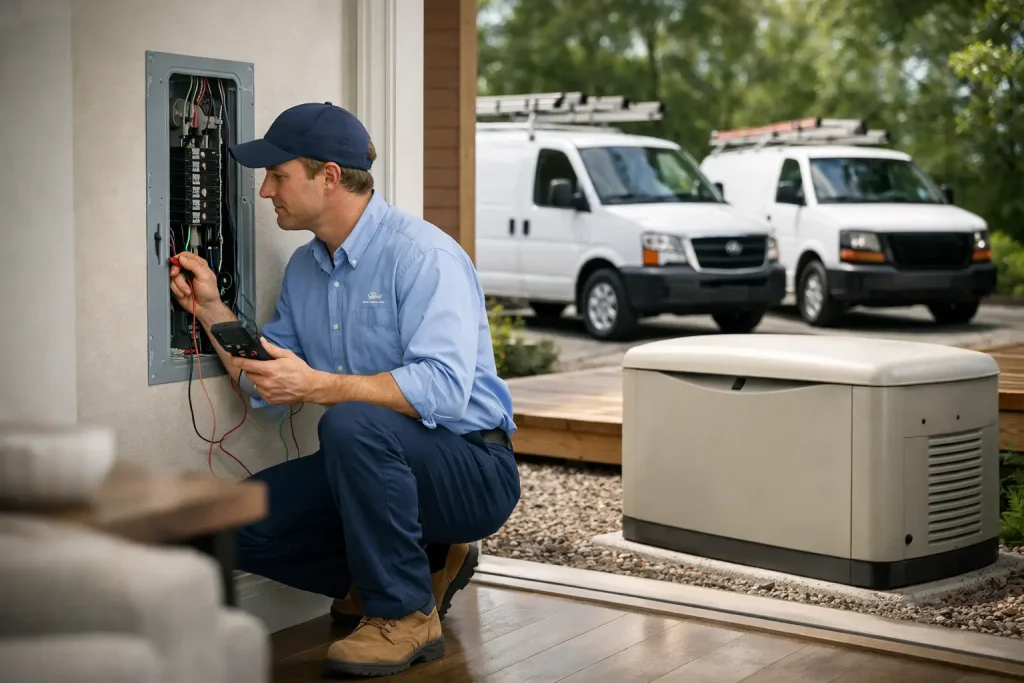
A properly designed generator connection uses approved equipment to isolate utility power and manage selected household loads. It also needs to be planned around the home’s electrical capacity and the equipment you want supported, such as a well pump, sump pump, refrigerator, heating equipment, or essential lighting.
When to Call a Licensed Electrician
Homeowners can safely handle simple tasks such as replacing a burned-out bulb, testing a GFCI as directed, or keeping panel access clear. Electrical diagnosis, alterations, and repairs belong with a qualified professional. That includes breaker issues, panel concerns, outlet replacement when wiring is damaged or uncertain, new circuits, service upgrades, generator connections, and renovation wiring.
In Ontario, electrical work is governed by safety requirements and may require permits, inspection, and proper notification depending on the work. Those steps are not paperwork for its own sake. They help confirm that concealed wiring, grounding, circuit protection, and equipment connections are installed correctly before the work is hidden behind finished walls.
A good electrical assessment starts with the symptoms you have noticed, how often they occur, and what equipment was running at the time. Clear details help a technician trace the cause efficiently. SDR Electric, Plumbing & Heating can also coordinate electrical work when it overlaps with plumbing, HVAC, well pumps, sump pumps, or generator equipment, so the whole property system is considered rather than one component in isolation.
Your home does not need to be brand new to be electrically safe. It needs wiring, protection, and capacity that match the way your household lives there now. When something changes – a recurring trip, a warm outlet, a renovation plan, or a new major appliance – treating it as an early safety check is one of the most practical decisions you can make.