A frozen pipe often starts in a part of the house you rarely see: a crawl space, exterior wall, garage ceiling, cabinet against an outside wall, or utility room. By the time water stops flowing, the pipe may already be under enough pressure to crack. When it thaws, that small crack can become a damaging leak.
Learning how to reduce the risk of frozen pipes this winter is largely about protecting vulnerable plumbing before Eastern Ontario temperatures stay below freezing. A few practical checks can make a meaningful difference, especially in older homes, seasonal properties, rental units, and buildings with plumbing near exterior walls.
Why pipes freeze and burst
Water expands as it freezes. If ice forms inside a pipe, it can block water flow and create pressure between the blockage and a closed faucet. The pipe does not always burst where the ice is located. It may split several feet away at a weak point, fitting, valve, or joint.
Pipes are most at risk where cold air reaches them quickly and heat does not. Common trouble spots include plumbing in unheated basements, crawl spaces, attics, garages, exterior walls, and under kitchen or bathroom sinks. A pipe serving a hose connection, outdoor faucet, addition, or room over a garage also deserves attention.
A brief cold night may not cause a problem in a well-insulated, occupied home. Several days of severe cold, wind exposure, a furnace issue, or an open garage door can change that quickly. This is why prevention should account for both the plumbing itself and the heating system that protects it.
How to reduce the risk of frozen pipes this winter
Keep the building consistently heated
Do not turn the thermostat down too far when temperatures drop, even if the property is vacant or you are away for a few days. Keep indoor temperatures at or above 55 degrees Fahrenheit. More importantly, maintain a steady temperature rather than allowing major overnight setbacks that cool walls, floors, and concealed plumbing.
If one room is noticeably colder than the rest of the home, treat it as a warning sign. A closed supply vent, blocked return air path, failing baseboard heater, damaged duct, or poor insulation can leave nearby plumbing exposed. Heating problems should be addressed before a cold snap becomes an emergency.
For homes with a boiler, heat pump, furnace, or electric baseboard heat, confirm that the system is operating properly before winter. Replace furnace filters as needed, keep vents clear, and make sure fuel or power supply issues are not being overlooked. Backup power planning can also be worthwhile for rural homes or properties that rely on electric pumps and heating equipment during outages.
Insulate exposed plumbing, but do not ignore air leaks
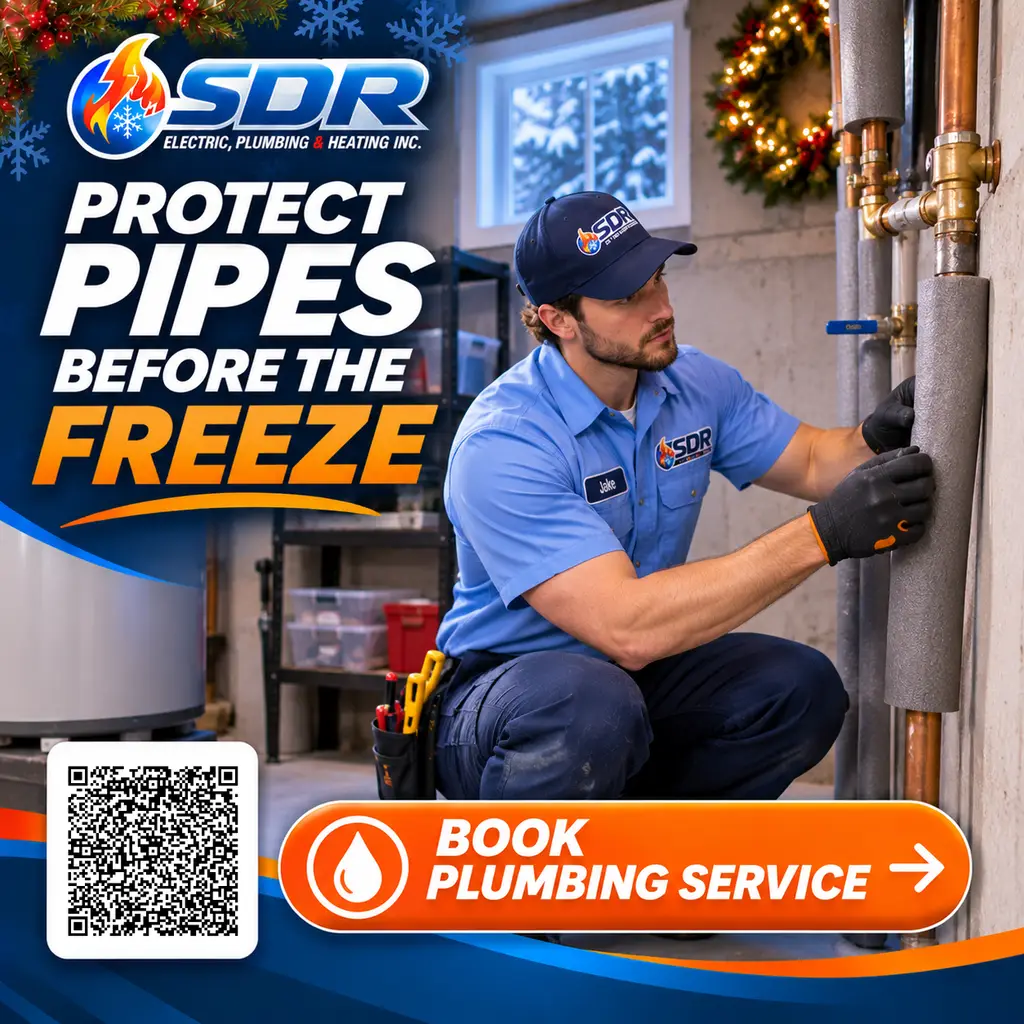
Pipe insulation is especially useful on water lines in unheated or lightly heated areas. Foam sleeves, fiberglass pipe wrap, and other approved insulation products can slow heat loss and help protect pipes during short periods of extreme cold. Focus on accessible pipes in basements, crawl spaces, garages, mechanical rooms, and under floors near exterior walls.
Insulation works best when cold air is kept away from the pipe. Seal obvious gaps around plumbing penetrations, rim joists, dryer vents, utility openings, and foundation cracks where appropriate. Cold air moving through a small opening can freeze a nearby pipe even when the rest of the basement feels reasonably warm.
Take care not to cover equipment that requires ventilation, service access, or clearance. If plumbing runs through a difficult-to-reach space, a licensed plumber can assess whether insulation, rerouting, heat cable, or another correction is the safer long-term option.
Protect exterior faucets and hose connections
Disconnect, drain, and store garden hoses before sustained freezing weather arrives. A hose left connected can trap water against the outdoor faucet, allowing ice to extend into the plumbing inside the wall.
If your home has a shutoff valve for exterior faucets, close it and drain the outside line. Then open the exterior faucet to release remaining water. Frost-free faucets offer added protection, but they still need the hose removed to drain correctly.
For homes with older exterior plumbing or no interior shutoff, an insulated faucet cover may provide another layer of protection. It is not a substitute for draining the line, but it can reduce direct exposure to wind and cold.
Let warm air reach pipes under sinks
Kitchen and bathroom sink cabinets can become surprisingly cold when plumbing is located against an exterior wall. During severe cold, open cabinet doors to let room air circulate around the pipes. Keep cleaners, chemicals, and other products safely out of reach of children and pets before leaving doors open.
Avoid packing cabinets so tightly that warm air cannot circulate near the plumbing. If the back of a cabinet feels unusually cold or you see frost, moisture, or staining, there may be an insulation or air-sealing problem behind the wall that deserves investigation.
Use a small faucet drip selectively
Allowing a faucet to drip can keep water moving and reduce the chance of freezing in a vulnerable line. It is most useful when a specific pipe has a history of freezing, is poorly insulated, or runs along an exterior wall. Run both hot and cold water if both lines are exposed.
A drip is not necessary for every faucet in every home, and it does not solve the underlying issue. It also adds water use and may be ineffective if a pipe is exposed to extreme cold for a long period. Consider it a short-term cold-weather measure while you improve insulation, air sealing, or heat delivery.
Know where your main water shutoff is
Every property owner should know the location of the main water shutoff valve and make sure it can be operated. If a pipe bursts, shutting off the water quickly can limit damage while you arrange repairs.
The valve may be near the water meter, pressure tank, well equipment, utility room, or where the main service enters the building. In homes supplied by a well, the plumbing layout can include additional valves and equipment. Labeling the main shutoff and showing household members or tenants how it works can save valuable time.
Do not force a corroded or stuck valve. A plumber can inspect, repair, or replace a shutoff valve before it is needed in an emergency.
Give vacant and seasonal properties extra attention
An unoccupied property has fewer warning signs. Nobody may notice a cold room, a failed furnace, reduced water pressure, or a small leak until the damage is extensive. If you will be away, have a trusted person check the building after major cold weather or a power outage.
For a longer vacancy, talk with a qualified plumbing and heating professional about winterizing the property. Depending on the building and how it is used, that may involve shutting down and draining parts of the plumbing system, protecting equipment, monitoring heat, or installing safeguards for a specific risk area. The right approach depends on whether the building needs to remain occupied, heated, and supplied with water.
Landlords and commercial property owners should also consider areas that tenants or staff may not access regularly, such as storage rooms, vacant suites, loading areas, mechanical rooms, and washrooms at the edge of the building.
What to do if you suspect a pipe is frozen
A faucet that produces little or no water during freezing weather may indicate a frozen pipe. Check other fixtures first. If only one fixture is affected, the issue may be isolated to that branch line. If several fixtures lose water, the problem may involve the main supply, well system, or another mechanical issue.
Keep the affected faucet open so melting ice has a place to release pressure. Gently warm the surrounding area with safe, controlled heat, such as raising the room temperature or using a hair dryer on a low setting while keeping it away from standing water. Never use an open flame, torch, or high-heat device on plumbing. These methods can damage pipes, start a fire, or create a more serious safety hazard.
If you see water, hear dripping inside a wall, notice a bulging pipe, or cannot safely identify the frozen section, turn off the main water supply and call for professional help. SDR Electric, Plumbing & Heating Inc. can help assess frozen-pipe concerns, repair damaged plumbing, and identify the building conditions that allowed the problem to develop.
The best time to protect a pipe is before the first extended cold snap. Walk through the areas of your property that are usually out of sight, correct the weak spots you can identify, and arrange help for anything that needs a proper repair or upgrade.