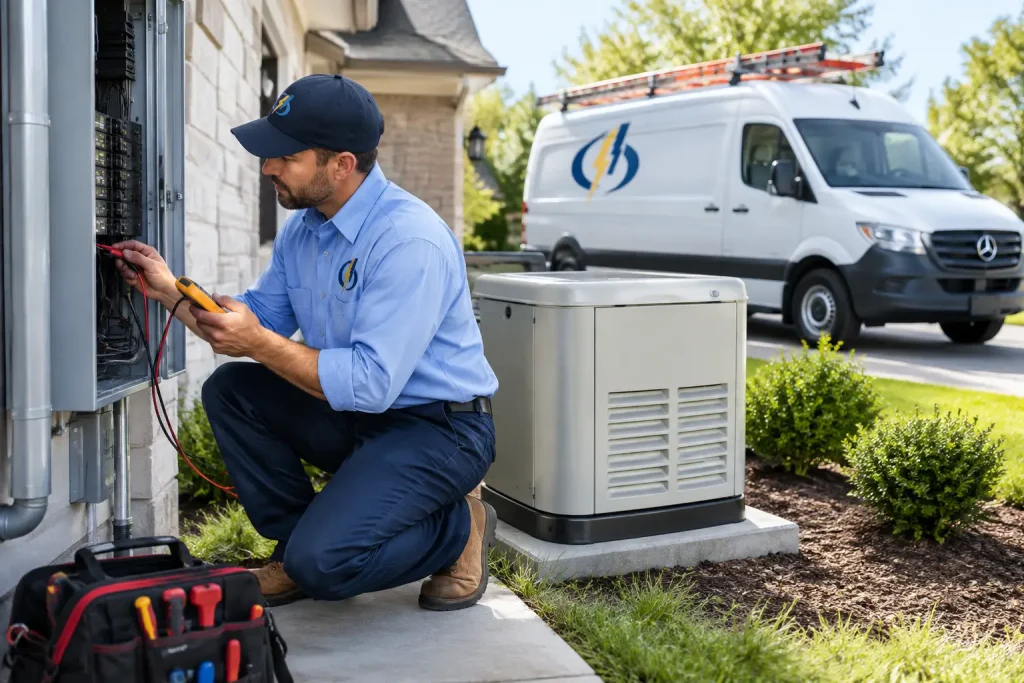
A breaker that trips every time the microwave starts, an outlet that suddenly stops working, or lights that flicker in one room are not problems to ignore. Knowing how to locate electrical faults begins with recognizing the pattern, isolating what is safe to check, and avoiding the temptation to take apart energized equipment. Electrical troubleshooting is not guesswork. The symptoms often point to a smaller issue, but they can also reveal a loose connection, overloaded circuit, damaged wiring, or failing panel component that requires licensed service.
Start by identifying what has changed
An electrical fault is a problem that interrupts the normal path of electricity or causes power to flow where it should not. The fault may be as simple as a tripped breaker or as serious as damaged wiring inside a wall. Before touching anything, think about when the issue started and what was running at the time.
For example, if a single receptacle stopped working after plugging in a space heater, the circuit may be overloaded or a protective device may have tripped. If several rooms lose power at once, the issue may involve a breaker, a GFCI receptacle, a panel connection, or a shared circuit. If lights dim when a large appliance starts, the cause could range from normal startup demand to a connection problem that needs prompt attention.
Pay attention to whether the problem affects one device, one outlet, one room, or the entire building. This distinction helps narrow the scope without requiring anyone to work inside a panel or electrical box.
Warning signs that call for immediate action
Some electrical symptoms are not suitable for basic homeowner troubleshooting. Shut off power to the affected area at the breaker if it is safe to do so, keep people away from the area, and arrange for a licensed electrician to inspect it.
Call for professional help promptly if you notice a burning smell, smoke, sparks, heat at an outlet or switch, buzzing from a panel, discolored cover plates, melted plugs, or repeated breaker trips. Water near electrical equipment is also a serious concern, especially after a plumbing leak, sump pump overflow, storm damage, or basement flooding.
A breaker that trips once after a clear overload may simply be doing its job. A breaker that trips repeatedly is giving you useful information: something on that circuit needs to be identified and corrected. Resetting it over and over can allow a dangerous condition to continue.
How to locate electrical faults through safe checks
The safest first step is to unplug or switch off the devices connected to the affected circuit. This includes portable heaters, window air conditioners, kitchen appliances, chargers, power bars, tools, and outdoor equipment. If a breaker has tripped, turn it fully to the OFF position before resetting it to ON. Breakers can appear on while still tripped internally, so the full reset matters.
If the breaker stays on after devices are unplugged, reconnect items one at a time. When the breaker trips again, the most recently connected appliance or tool may be faulty or may simply push the circuit beyond its capacity. Do not continue using that item until it has been checked or replaced.
If the breaker trips with everything unplugged, leave it off. The fault may be in fixed wiring, a hardwired light fixture, a receptacle, an outdoor circuit, or equipment connected permanently to the system. That is the point where a licensed electrician should take over.
Check GFCI protection before assuming an outlet has failed
A ground-fault circuit interrupter, commonly called a GFCI, protects people from electric shock in areas where water may be present. You will often find them in bathrooms, kitchens, laundry rooms, garages, unfinished basements, outdoors, and near utility equipment.
One tripped GFCI can disable other outlets downstream, sometimes in another room. Look for receptacles with TEST and RESET buttons in the affected area and nearby spaces. With dry hands and no signs of damage or moisture, press RESET. If it will not reset, trips immediately, or controls an area exposed to water, stop there and have the circuit inspected.
Do not assume an outlet is safe just because it has power. A GFCI that will not reset, a loose receptacle, or a damaged outdoor cover can point to a fault that needs more than a reset.
Look for patterns in lights and switches
Flickering lights can be caused by a loose bulb, an incompatible LED bulb and dimmer, or a failing fixture. Start with the simple possibility: turn off the switch, let the bulb cool, and confirm it is properly seated. If the problem remains with a new compatible bulb, affects multiple lights, or occurs when appliances start, document the pattern for your electrician.
A switch that crackles, feels warm, works inconsistently, or has a burnt smell should not be used. Turn off the breaker if you can identify it safely and arrange service. The same applies to outlets that no longer hold a plug firmly. Loose connections can generate heat behind the cover plate, where the problem is not always visible.
Check the panel from a safe distance
Your electrical panel can help identify a fault, but it is not a place for untrained repair work. Keep the panel cover in place. You can safely observe the breaker positions, read circuit labels, and note whether a breaker is tripped, but do not remove the dead front cover or touch wiring inside the panel.
Clear labels make troubleshooting much easier. If the breaker label says “kitchen counter outlets,” but it also controls a bedroom receptacle, make a note of it. In older homes and renovated properties, circuits may have been extended or altered over time. Accurate labeling helps homeowners manage an outage and helps electricians work more efficiently during repairs or upgrades.
If your panel feels warm, makes a buzzing sound, shows rust or moisture, or has breakers that will not stay set, treat the situation as urgent. These conditions can indicate a connection, corrosion, water intrusion, or equipment issue that should be inspected by a qualified professional.
Faults often come from overloaded or damaged circuits
Not every electrical problem is a wiring failure. Modern homes use more equipment than many older circuits were designed to handle. Portable heaters, air fryers, kettles, microwaves, treadmills, workshop tools, EV chargers, and window air conditioners can place substantial demand on a circuit.
Power bars are useful for low-demand electronics, but they are not a permanent answer to too few outlets or insufficient circuit capacity. Avoid connecting one power bar to another, using damaged extension cords, or running cords under rugs and through doorways. These arrangements can overheat, become damaged, or hide a problem until it becomes more serious.
Outdoor circuits deserve special attention in Eastern Ontario, where moisture, snow, landscaping equipment, and seasonal lighting can affect receptacles and wiring. If a fault appears after rain, snowmelt, or outdoor work, leave the circuit off and tell the electrician what changed. That detail can significantly reduce diagnostic time.
When to call a licensed electrician
A homeowner can safely observe symptoms, reset a breaker once after reducing the load, check accessible GFCIs, and unplug suspect devices. Beyond that, electrical diagnosis may require testing voltage, continuity, grounding, insulation condition, and load behavior with specialized tools. It may also require access to energized components, which carries a real shock and fire risk.
Call a licensed electrician when a breaker trips repeatedly, a GFCI will not reset, power is lost to part of the building without an obvious cause, or lights and outlets behave inconsistently. Professional service is also the right choice after water damage, before a renovation, when adding major appliances, or when a property needs more circuits, improved panel capacity, surge protection, or backup power planning.
For homes, rental properties, commercial spaces, and renovation projects, SDR Electric, Plumbing & Heating Inc. can assess the electrical issue in the context of the whole property. That matters when electrical symptoms intersect with a wet basement, a failed sump pump, HVAC equipment, a well system, or generator equipment.
What to tell the electrician
A clear description helps move the repair forward. Note which rooms or devices are affected, whether the breaker or GFCI trips, what was operating when the problem appeared, and whether there was recent water exposure, construction work, or a storm. Photos of panel labels or damaged exterior components can be useful, provided they are taken from a safe distance and never require removing covers.
The goal is not to prove the diagnosis yourself. It is to provide a reliable starting point while keeping your household, tenants, staff, and property protected. When electrical behavior changes, treat it as a reason to investigate early rather than a problem to work around.