A heating system that also cools your home can simplify a major part of property ownership. Heat pumps move heat rather than creating it through combustion, allowing one properly designed system to provide winter heat, summer air conditioning, and steady comfort through changing Eastern Ontario weather.
For homeowners planning a replacement, addition, renovation, or new build, the question is not simply whether a heat pump is a good idea. The better question is whether the equipment, electrical supply, ductwork, insulation, and backup heating plan are suited to the house. Those details determine how well the system performs when temperatures drop and how comfortable the home feels year-round.
How heat pumps work in a home
A heat pump uses refrigeration technology to transfer heat from one place to another. In cooling mode, it removes heat from inside the home and releases it outdoors, much like a central air conditioner. In heating mode, the process reverses. The outdoor unit gathers available heat from the outside air and transfers it indoors.
That may sound counterintuitive during a cold winter day, but outdoor air still contains usable heat at temperatures below freezing. Modern cold-climate equipment is built to recover that heat effectively in low temperatures. Its output and efficiency will still change as outdoor conditions become more severe, which is why correct planning matters.
Most residential installations fall into two broad categories. A ducted heat pump works with a central air distribution system. A ductless mini-split uses one or more indoor wall-mounted, ceiling-mounted, or floor-mounted units connected to an outdoor unit. Both can be excellent choices, but they solve different property challenges.
A ducted system may suit a home with sound existing ductwork and a central furnace or air handler. A ductless setup can be particularly useful for additions, older homes without ducts, finished basements, garages, and rooms that stay too hot or too cold. In some homes, a combination of ducted and ductless equipment provides the most practical result.
Are heat pumps right for Eastern Ontario winters?
Heat pumps can work very well in Eastern Ontario, provided the system is selected for the climate and installed as part of a complete heating plan. A standard air conditioner replacement is not automatically the same thing as a cold-climate heat pump installation. Homeowners should ask whether the proposed equipment is rated to deliver useful capacity at low outdoor temperatures and how the system will operate during an extended cold snap.
Many homes use a heat pump as the primary heating source with supplemental electric heat, an existing furnace, or another approved backup source. This is often called a dual-fuel or hybrid arrangement when a furnace remains in service. The heat pump handles a large share of heating during milder conditions, while the backup system takes over or assists when outdoor temperatures reach a set point.
The best approach depends on the home. A well-insulated newer house may have different needs than a farmhouse with uneven insulation, older windows, and rooms that were added over decades. A home with a wood stove, boiler, or existing gas furnace also has different options than one relying entirely on electric resistance heat.
The goal is dependable comfort, not a one-size-fits-all equipment choice. A qualified contractor should review heat loss, insulation levels, window condition, room layout, existing mechanical equipment, electrical capacity, and the homeowner’s comfort priorities before recommending a system.
Proper sizing is not optional
A heat pump that is too small may struggle to maintain temperature during cold weather. One that is oversized can cycle on and off too frequently, reducing efficiency, increasing wear, and leaving indoor humidity less controlled during cooling season.
Sizing should be based on a heat-loss and heat-gain calculation, not only the square footage of the home or the size of the equipment being replaced. Ceiling height, air leakage, basement conditions, sun exposure, insulation, and the number of occupants all affect the result.
This step is especially valuable during renovations. Adding a large open kitchen, finishing an attic, replacing windows, or improving insulation can significantly change a home’s heating and cooling load. The existing system may no longer be the right benchmark.
Installation details that affect comfort and safety
Heat pump installations involve more than setting an outdoor unit and connecting a thermostat. The refrigerant system, condensate drainage, electrical work, controls, airflow, and equipment placement must all be coordinated correctly.
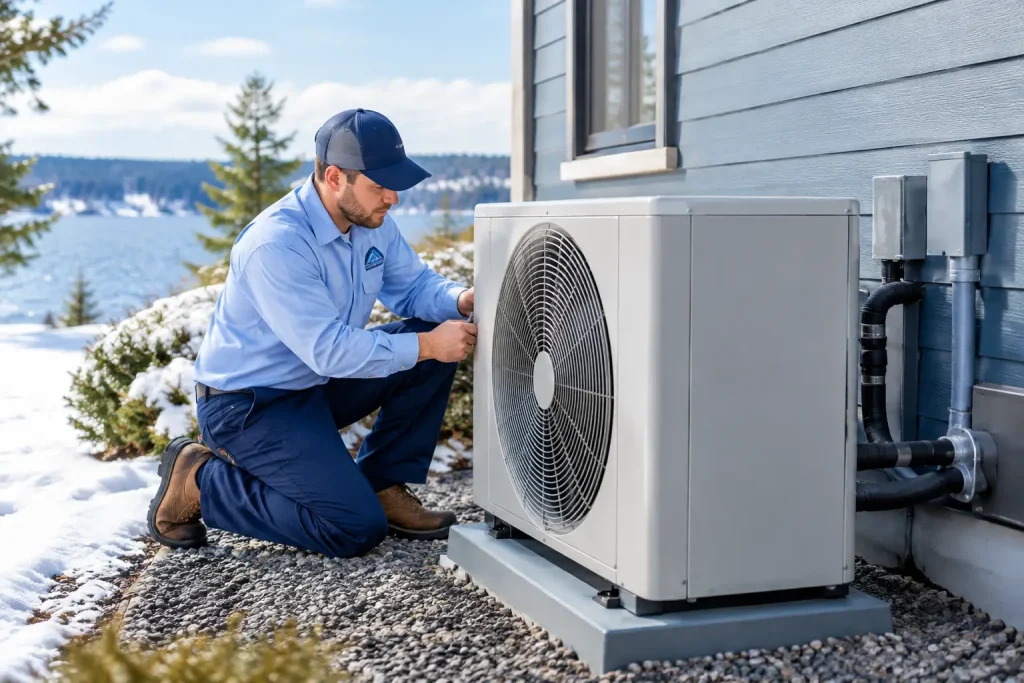
Outdoor units need adequate clearance for airflow and service access. They also need a stable mounting location that accounts for snow accumulation, ice, roof runoff, and drainage. Placing a unit where melting snow or icicles regularly fall onto it can create avoidable service problems. A properly planned stand or wall bracket can help keep the unit above expected snow levels while allowing defrost water to drain away.
Inside the home, airflow is just as critical. Ductwork that is undersized, poorly sealed, or heavily restricted can prevent a central heat pump from delivering its rated performance. For ductless equipment, the location of indoor heads should match how rooms are used and how air moves through the space. One indoor unit cannot always heat or cool a series of closed bedrooms effectively.
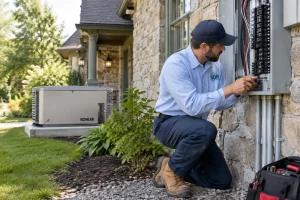
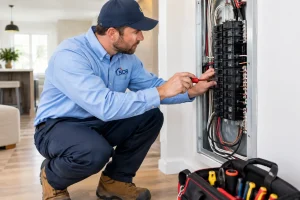
Electrical requirements should also be assessed early. A heat pump, electric backup heat, air handler, water heater, well pump, and other major loads can place significant demand on a home’s electrical service. In a renovation or whole-home upgrade, the HVAC plan may need to be coordinated with panel changes, generator planning, or other electrical improvements. Managing those connected systems together helps prevent surprises after installation begins.
What homeowners notice after installation
A correctly designed heat pump system often feels different from older heating equipment. Instead of short, intense blasts of hot air followed by cooler periods, many systems run longer at lower output. That steady operation can provide more even temperatures throughout the home.
The thermostat may also need a different approach. Large temperature setbacks are not always the most efficient choice for a heat pump, particularly during heating season. If the system has to recover several degrees quickly, it may rely more heavily on supplemental heat. The right schedule depends on the equipment, controls, weather, and household routine, but consistent settings often support smoother performance.
During winter, homeowners may see the outdoor unit enter a defrost cycle. This is normal. The system temporarily reverses operation to clear frost from the outdoor coil, and you may notice water vapor or a change in sound. Persistent heavy ice, repeated shutdowns, unusual noise, or a drop in comfort are reasons to arrange service.
Maintenance protects performance
Heat pumps require regular attention, but homeowners can handle a few basic tasks between professional visits. Keep the outdoor unit clear of leaves, grass clippings, snow buildup, and stored items. Do not cover it tightly during the operating season, as the equipment needs open airflow. Indoors, check and replace or clean air filters as recommended for the system.
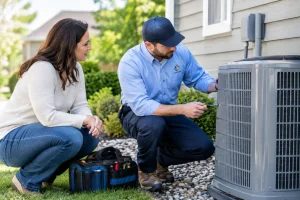
Professional maintenance should include inspection of electrical connections, refrigerant operation, condensate drainage, coils, blower components, controls, and overall heating and cooling performance. A technician can also identify small issues before they lead to no-heat calls, water leaks, or unnecessary strain on the equipment.
If your home uses a furnace, boiler, or electric heat as backup, that equipment should be maintained as well. A heat pump plan is only dependable when every part of the heating system is ready to operate when needed.
Planning a heat pump project with the whole property in mind
Heat pump work is often connected to other property decisions. A basement renovation may require electrical upgrades, new supply and return ducts, condensate routing, and plumbing changes around a mechanical room. A new home requires coordinated planning for heating, cooling, ventilation, electrical distribution, and backup power. Even a straightforward replacement can uncover duct repairs or panel capacity concerns.
That is where coordinated multi-trade planning is useful. SDR Electric, Plumbing & Heating Inc. can assess the HVAC equipment alongside the electrical and mechanical conditions that support it, helping homeowners avoid treating connected systems as separate problems.
A heat pump should make your home easier to live in, not add uncertainty when the weather turns. Start with a site-specific assessment, ask how the system will perform in cold conditions, and make sure the installation plan addresses airflow, drainage, electrical capacity, and backup heat before the work begins.