A furnace can seem perfectly fine during a mild fall day, then struggle when the first sustained cold snap arrives. Getting your furnace ready for an Eastern Ontario winter is less about waiting for a problem and more about finding small issues before your home depends on steady heat day and night.
In Brockville, Leeds & Grenville, and surrounding communities, winter heating systems often work hard for long stretches. A dirty filter, weak ignition component, blocked vent, or thermostat issue may not be obvious until the furnace is running constantly. A few practical checks and timely professional service can help protect your comfort, equipment, and household safety.
Start with the filter and airflow
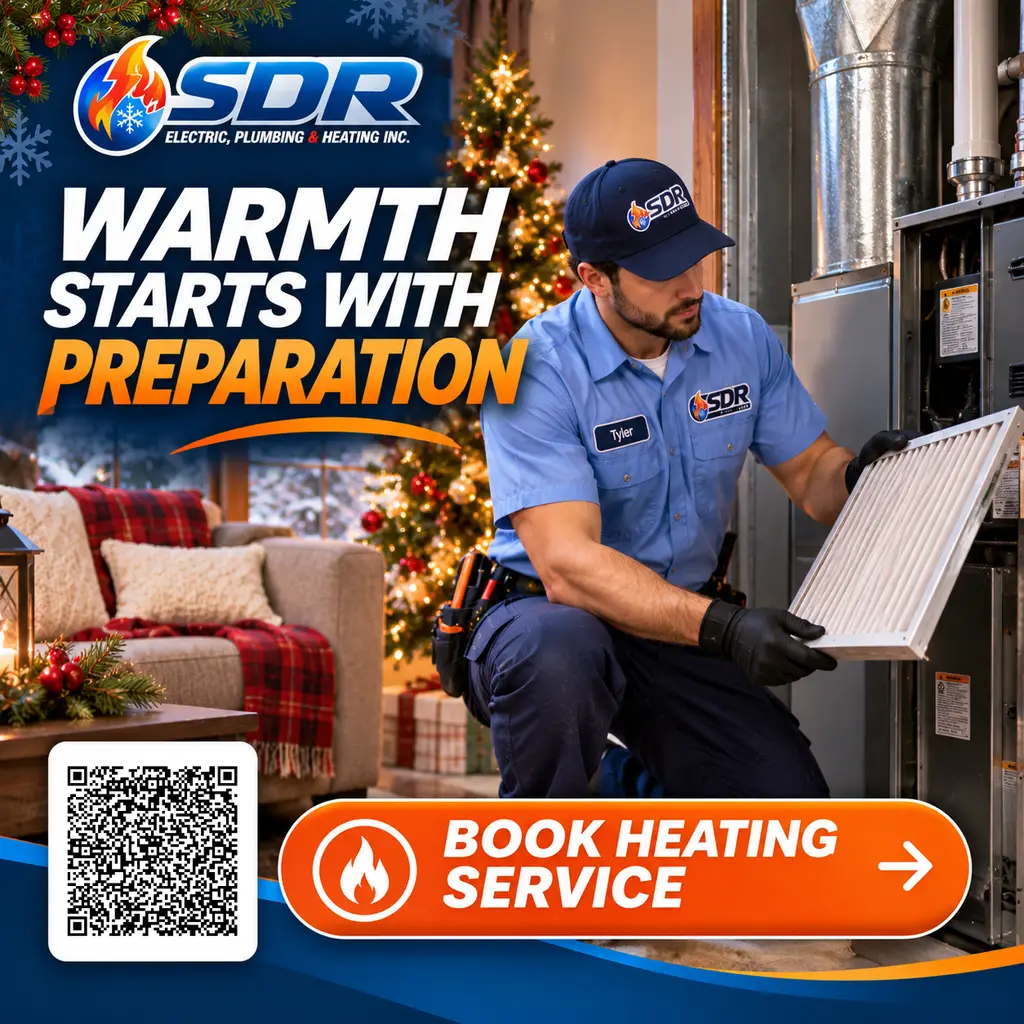
Your furnace needs sufficient airflow to heat your home properly. A clogged air filter restricts that airflow, forcing the blower motor to work harder and making it more difficult to move warm air through the ductwork. It can also contribute to hot and cold rooms, longer heating cycles, and unnecessary strain on the system.
Check the filter before the heating season begins, then inspect it regularly through the winter. How often it needs replacement depends on the filter type, how often the furnace runs, whether you have pets, and the amount of dust in the home. A home with pets, renovations underway, or several occupants may need more frequent changes than a quieter household.
Use the filter size and type recommended for your equipment. A highly restrictive filter is not always the right choice for every furnace. If you are unsure, a heating technician can confirm what your system can handle and inspect whether airflow concerns are related to the filter, blower, ductwork, or another issue.
Check the thermostat before cold weather settles in
Set your thermostat to heat and raise the temperature a few degrees above the current room temperature. The furnace should start normally, and warm air should begin reaching the vents after a short period. Listen for unusual banging, rattling, squealing, or repeated starting and stopping.
If you have a programmable or smart thermostat, review the schedule before winter. A setback temperature can reduce heating demand while you are sleeping or away, but the setting should still protect the home during severe cold. This matters even more in houses with plumbing pipes near exterior walls, in crawlspaces, or in less insulated areas.
Replace thermostat batteries if applicable, and make sure the thermostat is not affected by a nearby heat source, direct sun, or a draft. If the display is blank, the furnace will not respond, or the system does not hold the set temperature, have the controls assessed rather than repeatedly resetting them.
Keep supply and return vents clear
Walk through the home and check that supply registers and return-air grilles are open and unobstructed. Furniture, rugs, drapes, and storage placed over vents can interfere with circulation. Closing off multiple vents to push heat toward one area may seem practical, but it can create airflow problems and uneven heating in some systems.
Return grilles are particularly important because they draw air back to the furnace for reheating. If a return is blocked, rooms can feel stuffy or cold despite a furnace that appears to be operating normally. In multi-level homes, balancing can take some adjustment. Start by keeping vents open, then make modest changes if needed rather than closing off large sections of the house.
Make outdoor vents and furnace areas safe
High-efficiency furnaces typically vent through pipes that exit an exterior wall. Before winter, locate those terminations and make sure they are clear of leaves, debris, ice, and other obstructions. After a heavy snowfall, check them again. Snow buildup around an intake or exhaust pipe can interrupt furnace operation and may create a safety concern.
Inside, keep the furnace area clear. Do not store paint, gasoline, cleaning chemicals, cardboard, or other combustible materials beside the unit. The equipment needs clear access for safe operation and service. If the furnace is located in a utility room with plumbing, electrical equipment, a water heater, or a sump system, keeping the space orderly also makes it easier to spot leaks, corrosion, or drainage issues early.
A condensing furnace produces water as part of normal operation. Its drain line and condensate pump, if installed, need to work properly. A blocked drain can shut down the furnace or cause water around the equipment. If you see pooling water, notice recurring error codes, or hear a condensate pump running continuously, arrange service.
Book professional furnace maintenance before the first deep freeze
A homeowner can handle basic filter changes and visual checks, but a furnace should be professionally inspected and maintained on a regular schedule. This is especially valuable before an Eastern Ontario winter, when a small fault can quickly turn into a no-heat call.
During a maintenance visit, a qualified technician can inspect the burner assembly, ignition system, blower components, electrical connections, safety controls, venting, heat exchanger condition, and condensate system where applicable. They can also check how the furnace is operating under load and identify wear that may not be visible from the outside.
For gas furnaces, combustion and venting deserve particular attention. These are not do-it-yourself adjustments. A technician can check for conditions that affect safe operation and confirm that the equipment is venting as intended. If your heating system shares a mechanical room with electrical panels, plumbing systems, or a standby generator, coordinated service can be useful when several systems require attention at once.
Maintenance does not guarantee that a part will never fail. It does, however, improve the chance of catching concerns before the furnace is working through the coldest nights of the year.
Test carbon monoxide alarms and know the warning signs
Every home with fuel-burning equipment should have working carbon monoxide alarms. Test them according to the manufacturer instructions, replace batteries where required, and confirm alarms are installed in appropriate locations, including near sleeping areas. Smoke alarms should also be tested as part of seasonal home maintenance.
Do not ignore furnace warning signs simply because the house is still warm. Call for service if you notice persistent odors, yellow or irregular burner flames, soot around the unit, frequent cycling, weak airflow, unusual noises, or a furnace that needs repeated resets. A sudden increase in condensation on windows, headaches, dizziness, or nausea in the household can also require immediate attention.
If a carbon monoxide alarm sounds, move everyone outside to fresh air, call emergency services, and do not re-enter until it is safe to do so. Do not attempt to diagnose or restart fuel-burning equipment yourself.
Pay attention to the whole heating system
The furnace is central to home comfort, but it is not the only factor. Leaky ductwork, poor insulation, unsealed attic penetrations, and drafty doors or windows can make a properly operating furnace work harder than necessary. A room that never warms up may have a duct, insulation, or airflow problem rather than a furnace failure.
Humidifiers can also affect comfort during dry winter weather, but they need maintenance. A neglected whole-home humidifier can develop mineral buildup, leaks, or drainage issues. If you use one, check the water panel, drain, and settings before the season gets underway.
For homes with a heat pump and furnace combination, make sure you understand when the furnace is intended to provide backup heat. These systems are designed to change operation based on outdoor conditions and thermostat settings. If the system seems to switch unexpectedly or relies on backup heat more often than expected, a professional assessment can help determine whether that is normal operation or a control issue.
Do not wait for a complete shutdown
A furnace that still produces heat can be signaling that service is needed. Longer run times, uneven temperatures, new noises, frequent thermostat adjustments, and a blower that never seems to stop are worth investigating before they become an emergency. Early service often provides more options than a system failure during severe weather.
If your furnace stops working, check the thermostat setting, circuit breaker, furnace switch, and filter before calling. Beyond those basic checks, avoid removing panels or bypassing safety controls. Modern furnaces use diagnostic codes and several built-in protections for good reason.
Preparing your furnace is one practical way to prepare the entire home for winter. A clear equipment area, clean airflow path, working alarms, and a professional inspection give you a better starting point when temperatures drop and your heating system has to perform.