A breaker that trips whenever the microwave and kettle run together is more than an annoyance. It is a useful sign that your home’s electrical system may not match the way you live now. The best electrical upgrades Athens homeowners can make are not always the most visible ones. Often, they begin behind the panel door, in the circuits serving high-demand equipment, and in safety devices that protect people and property.
Electrical work should be planned around the home’s actual load, age, layout, and future plans. A well-chosen upgrade can support a renovation, make room for an electric vehicle charger, improve lighting, or prepare the property for backup power. The right sequence matters, especially when electrical work intersects with heating, plumbing, cooling, or a generator installation.
Start With the Electrical System You Have
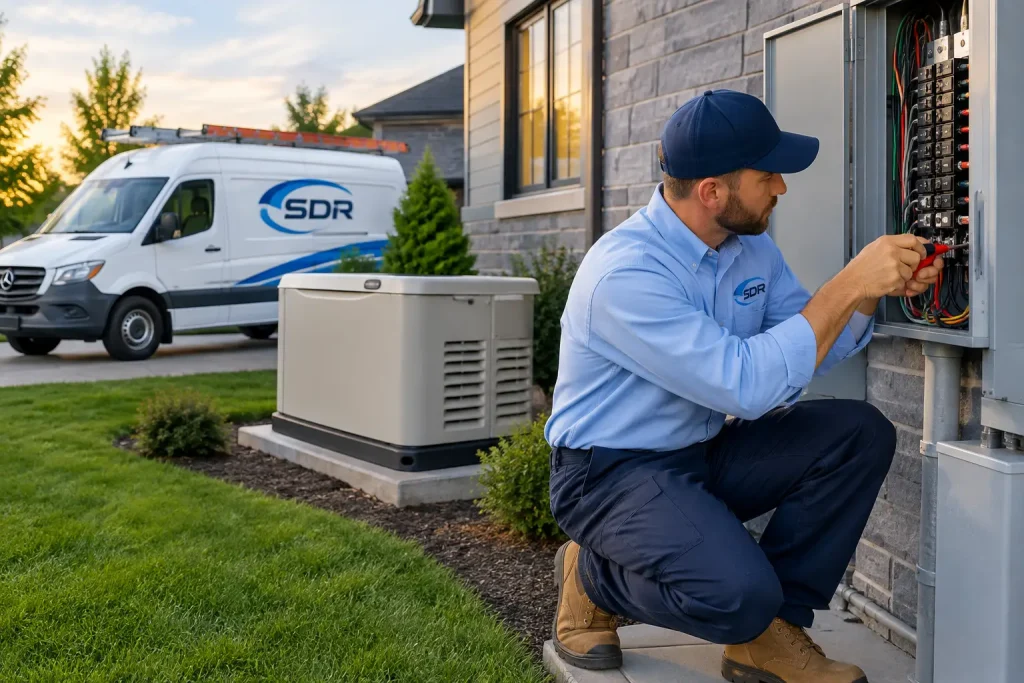
Before choosing an upgrade, a licensed electrician should assess the existing service, panel, breakers, wiring condition, grounding, and circuit demand. Older homes may have limited panel capacity, outdated equipment, crowded breaker spaces, or circuits that serve more rooms and appliances than they should.
A system can appear to work normally while still being poorly suited to current demand. Modern households use more power than homes built decades ago: induction ranges, heat pumps, garage tools, home office equipment, entertainment systems, EV chargers, sump pumps, and well pumps can all add meaningful electrical load.
The assessment should also account for planned changes. If you expect to finish a basement, renovate a kitchen, add a workshop, replace a fuel-burning appliance with an electric model, or install a generator, those plans should inform the electrical scope now. Planning ahead can prevent reopening walls or revisiting the panel later.
Warning Signs Worth Addressing
Frequent breaker trips, flickering lights, warm outlets, buzzing panels, damaged cords, and outlets that do not hold plugs securely all deserve attention. So do extension cords used as a long-term solution for appliances, office equipment, or garage tools. These symptoms do not automatically mean a complete rewire is needed, but they do call for professional troubleshooting.
If you have a sump pump, well pump, or essential heating equipment, circuit reliability is especially important. A failed or overloaded circuit can become a water, comfort, or property-protection problem quickly.
Best Electrical Upgrades for Athens Homes
The most useful upgrade depends on your home and plans, but several projects consistently improve safety, capacity, and everyday convenience.
Upgrade the Main Panel or Electrical Service
A panel upgrade gives the electrical system more room to distribute power safely. It may be appropriate when an existing panel is full, deteriorated, undersized for the property’s load, or unable to accommodate upcoming work. In some cases, the service supplying the home also needs to be upgraded so the panel has sufficient capacity.
This is a foundational project, not a cosmetic one. A properly planned panel and service upgrade can support new dedicated circuits, major appliances, an EV charger, heat pump equipment, and a generator connection. It also creates a cleaner, more organized starting point for future work.
A larger panel is not automatically necessary for every house. If the concern is one overloaded kitchen circuit or an aging breaker, a targeted repair may be the better answer. A load calculation and site review help determine whether capacity is truly the issue.
Add Dedicated Circuits Where Demand Is High
Dedicated circuits serve one major appliance or purpose, reducing the chance that normal use overloads a shared circuit. They are commonly needed for electric ranges, dryers, dishwashers, microwaves, refrigerators, freezers, well pumps, sump pumps, hot tubs, workshop equipment, and heating or cooling equipment.
This upgrade is especially valuable during kitchen, bathroom, basement, garage, and laundry renovations. Adding circuits while walls or ceilings are open is usually more practical than trying to route wiring after finishes are complete.
For homeowners with a sump pump or well system, an electrician can assess whether the equipment has the correct circuit arrangement and whether backup-power planning should be part of the project. Keeping essential water-management equipment on a reliable, properly installed circuit is a sensible property-protection measure.
Improve Outlet and Circuit Protection
Ground-fault circuit interrupter, or GFCI, protection helps reduce shock risk in areas where electricity and moisture can meet. Bathrooms, kitchens, laundry spaces, garages, unfinished basements, exterior locations, and areas near water are common examples.
Arc-fault circuit interrupter, or AFCI, protection is designed to detect certain dangerous arcing conditions that can lead to overheating or fire. Required protection depends on the location, the age of the installation, and the scope of work. An electrician can identify where updated protection is required or advisable when renovating or correcting deficiencies.
Replacing old, cracked, loose, or ungrounded outlets can also improve daily safety. This is not just a matter of making outlets look newer. Secure devices, sound wiring connections, and the right protective equipment all matter.
Plan for EV Charging the Right Way
An EV charger is one of the most common reasons homeowners discover their electrical system needs attention. Charging equipment can represent a significant, continuous electrical load, so it should not be treated like a standard plug-in appliance.
A proper installation begins with a load assessment, followed by the right circuit, breaker, wiring method, and charging equipment for the vehicle and home. Garage layout matters too. The charger should be located where the cable can reach the vehicle without becoming a trip hazard or being exposed to unnecessary damage.
If your household may add a second electric vehicle later, mention it during the assessment. The best approach may be to prepare capacity now, even if only one charger is installed initially.
Make Lighting More Useful and Efficient
Lighting upgrades can change how a home functions without requiring a large renovation. Better task lighting in kitchens, brighter and safer garage lighting, exterior lighting at entrances, and properly placed basement fixtures all improve usability.
LED fixtures and compatible controls can reduce energy use and maintenance, but lighting design should be practical first. In a kitchen, for example, under-cabinet lighting helps with food preparation while general ceiling lighting handles the whole room. Outdoors, motion-sensing or timed lighting can improve visibility around walkways, driveways, and entrances.
Dimmer compatibility is worth confirming when changing fixtures or bulbs. Not every LED product works properly with every existing dimmer, and mismatched equipment can cause flickering or poor performance.
Prepare for Reliable Backup Power
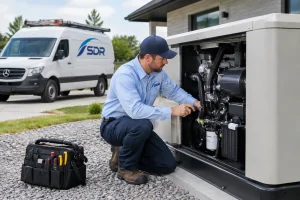
Power outages affect more than lights. Depending on the property, they can interrupt heating equipment, refrigeration, internet service, well pumps, sump pumps, and security systems. A generator installation can help protect essential systems, but it must be designed as part of the electrical system.
The key component is a properly installed transfer switch or approved interconnection equipment that safely separates generator power from the utility supply. This protects occupants, electrical equipment, and utility workers. Never attempt to power a panel through an improvised connection.
The best backup-power setup depends on what you need to keep running. Some homes prioritize a small group of critical circuits. Others need a more comprehensive solution that considers heating, water, refrigeration, and other major loads. Coordinating the electrical work with generator, HVAC, and plumbing needs helps avoid gaps in the plan.
Use Renovations to Solve Hidden Electrical Problems
Renovations offer the best access to wiring behind finished walls, which makes them the right time to correct issues that have been tolerated for years. A bathroom renovation may require upgraded outlet protection and better lighting. A kitchen project often needs new dedicated circuits. A basement conversion can call for new receptacles, smoke and carbon monoxide alarm coordination, lighting, and heating or cooling connections.
It helps to involve the electrician early, before layouts and finishes are finalized. Outlet locations, switch locations, appliance placement, cabinetry, mechanical equipment, and lighting all affect the electrical plan. Moving a circuit after drywall, tile, or cabinetry is installed creates unnecessary disruption.
For larger projects, coordinated multi-trade planning is valuable. Electrical requirements often connect directly to a new heat pump, water treatment equipment, a well pump, an electric water heater, or a generator. SDR Electric, Plumbing & Heating can coordinate these connected systems so the work is planned around the property as a whole rather than as separate, conflicting projects.
Prioritize Upgrades Based on Risk and Daily Need
When several improvements are possible, start with safety concerns and essential systems. Damaged equipment, signs of overheating, recurring breaker trips, missing protection near water, and unreliable circuits serving sump pumps or well pumps should move to the top of the list.
Next, consider projects that support immediate plans, such as a renovation, new appliance, EV charger, or backup generator. Convenience upgrades like additional outlets, improved lighting, and smart controls still have value, but they work best when the underlying system is safe and capable.
A good electrical plan should leave room for change. Homes evolve, and a panel or circuit layout that anticipates future equipment can make later improvements more straightforward.
Choose Work That Is Inspected, Documented, and Built to Last
Electrical upgrades are not the place for guesswork. Licensed workmanship, appropriate permits and inspections where required, correctly sized equipment, and clear labeling all contribute to a safer installation. After work is complete, homeowners should understand what was installed, which circuits serve essential equipment, and how any generator or backup-power equipment operates.
The most helpful next step is usually a focused electrical assessment tied to a real goal: stop nuisance tripping, support a renovation, protect a sump pump, add charging, or prepare for outages. That conversation turns a broad wish list into a practical plan that fits your home and gives its essential systems the attention they deserve.