A sump pump can be running perfectly one day and leave a basement vulnerable the next. A stuck float, blocked discharge line, tripped breaker, or power outage can let water rise with very little warning. The best basement sump pump alarms give you time to respond before a pump pit overflows, protecting finished spaces, stored belongings, electrical equipment, and the building itself.
For most homes, the right alarm is not simply the loudest one. It is the one that detects the failure most likely at your property and can still notify you when you are asleep, away from home, or dealing with a storm-related outage. That may mean a basic high-water alarm, a monitored system with phone alerts, or a combination of both.
What a sump pump alarm should detect
A sump alarm is an early-warning device, not a replacement for pump maintenance or a backup pumping plan. Its job is to tell you that water is reaching an unsafe level or that a condition could stop the pump from doing its job.
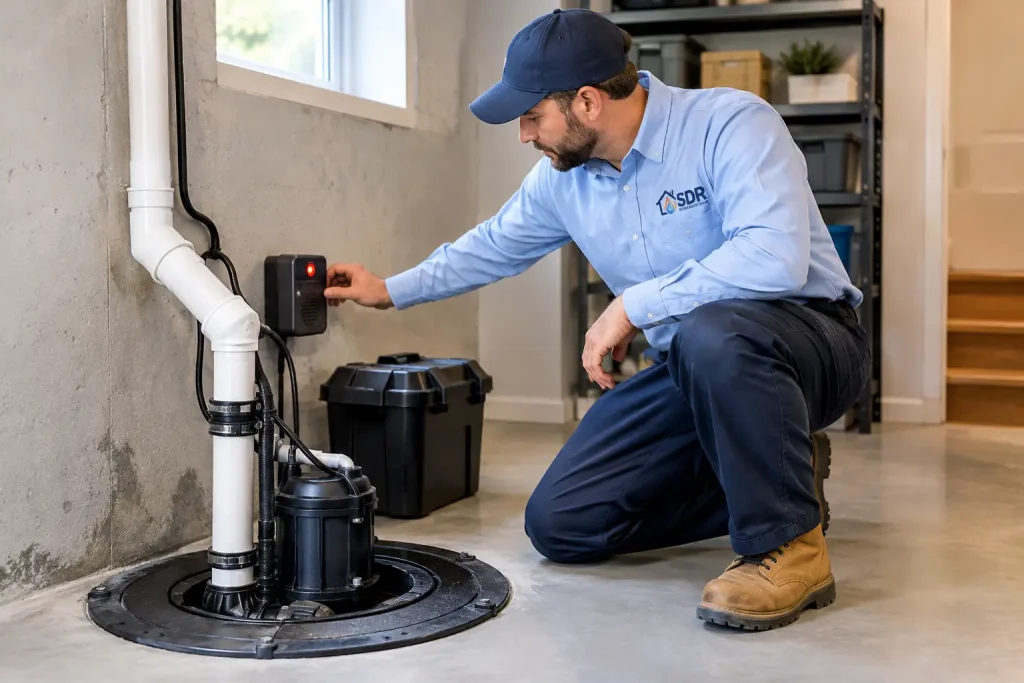
The most useful alarms monitor high water in the sump pit. A separate sensor sits above the normal pump-on level. If the water climbs high enough to reach it, the alarm sounds before the pit spills over. This can catch several common problems at once: a failed pump motor, jammed float switch, overwhelmed pump capacity, clogged discharge piping, or a check valve problem.
Some systems also monitor power loss. This matters because heavy rain and power interruptions often happen together. If your primary pump depends on household power, an alarm that only detects high water may not alert you until the pit is already filling. A power-failure alert gives you a chance to check the basement, start a generator if one is available, or prepare a backup pump.
More advanced systems may track pump run time or cycling. Frequent short cycles can point to a switch issue, a leaking check valve, or groundwater entering the pit at a rate the system was not designed to handle. These features are especially useful in homes with a history of wet basements, finished lower levels, or critical equipment near the sump area.
Best basement sump pump alarms by alarm type
There is no single best choice for every basement. Start with the risk you need to manage, then select an alarm method that will reliably reach you.
Audible high-water alarms
A standalone audible alarm is the straightforward choice for a homeowner who is usually nearby and wants dependable local warning. When the water reaches the sensor, a siren sounds in the basement or at a connected indoor receiver.
This option is simple and effective, but it has a clear limitation: you have to hear it. If you are at work, traveling, or sleeping on the other side of a large home, an alarm in the mechanical room may not get your attention. Choose a unit with a loud signal and test it from the areas where you spend time. A remote receiver on the main floor can make a basic alarm much more practical.
Water alarms with phone notifications
A Wi-Fi or cellular-connected alarm can send a notification to a phone when high water or power loss occurs. For many homeowners, this is the most useful upgrade because basement water problems do not wait until someone is home.
Wi-Fi systems depend on your internet connection and router staying operational. During a major outage, both may go down unless they have backup power. Cellular-capable monitoring can provide another layer of protection, though signal strength in a basement must be confirmed. The best setup for an unattended property often combines a local siren with a remote notification, rather than relying on either one alone.
Power-loss alarms
A power-failure alarm plugs into an outlet and alerts you when utility power stops. It may have an internal battery so it can sound or send a notification after the outlet goes dead. This is a smart addition where sump pumps are essential during storms, but it does not tell you whether the pump is actually moving water.
Think of a power-loss alarm as a companion to a high-water sensor. It warns of the cause early; the high-water alarm confirms that the risk is becoming immediate.
Pump-monitoring alarms
Pump monitors are designed to watch the operating behavior of the sump system, not just the water level. Depending on the equipment, they may report a pump that runs too long, cycles too often, fails to start, or loses power.
These systems offer more information, but installation and setup matter. A monitor that is poorly positioned or programmed around the wrong operating levels can create nuisance alerts or miss a developing problem. They are well suited to properties where water damage would be particularly disruptive, including finished basements, rental units, and commercial spaces.
Features that matter more than extras
A good alarm needs to work when conditions are worst, not only when you first install it. Focus on practical features that reduce the chance of a missed alert.
First, look for battery backup. If the device monitors a sump pit but loses all function when the power goes out, it leaves a major gap. Replaceable batteries, low-battery warnings, and periodic self-tests make the system easier to keep dependable.
Second, consider how the sensor works. A tethered float sensor is common and easy to understand, while electronic probes can be compact and sensitive. In either case, the sensor should be placed high enough to provide a useful warning but low enough that you still have time to act. It must not interfere with the primary pump float, backup pump float, or pit cover.
Third, choose alerts you can realistically respond to. A loud local alarm is valuable when someone is home. Text, app, or call notifications are valuable when no one is home. Some properties need both. If you use an app-connected device, test notifications after setup and check them again after changing a router, password, or phone.
Finally, make sure the alarm is suitable for the environment. Sump pits are damp, dirty areas. Cords should be secured and protected from damage, connections should stay dry, and the alarm should be installed according to its electrical requirements. Do not run extension cords through wet areas or place low-voltage components where rising water can reach them.
An alarm cannot fix an undersized or neglected sump system
An alarm gives warning, but it cannot move water. If your sump pit regularly reaches the alarm level during normal storms, the issue needs attention. The pump may be undersized, the float may be sticking, the discharge line may be restricted, or exterior drainage may be directing too much water toward the foundation.
Winter adds another concern in colder regions. A frozen discharge line can stop a working pump from sending water away from the house. The pump may continue running while the pit level rises. A high-water alarm can alert you to the result, but seasonal inspection of the discharge route helps prevent the problem in the first place.
Test your primary pump before wet weather arrives. Pour water into the pit until the float activates, then confirm that the pump starts, water discharges outside, and the pit level drops. Check that the discharge point directs water away from the foundation and is clear of debris. If you have a battery backup pump, test that system separately according to the manufacturer’s instructions.
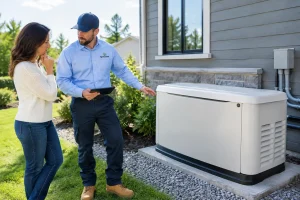
A second pump is not automatically necessary in every home, but it is worth considering when the basement contains finished living space, valuable equipment, or a history of groundwater problems. A properly designed backup system may be battery-powered, water-powered where appropriate, or supported by standby generator power. The right answer depends on local water conditions, the existing electrical setup, and how long the home needs to operate during an outage.
When to call a professional
Call for service if the alarm goes off and the water level does not fall quickly after the primary pump activates. Also arrange an inspection if the pump runs continuously, trips a breaker, makes unusual noise, smells hot, or cycles on and off repeatedly. These signs can indicate a pump failure, electrical issue, switch problem, blocked discharge, or drainage concern that an alarm alone cannot resolve.
It is also wise to get help when adding a backup pump, alarm circuit, generator connection, or remote monitoring equipment. These components work together, and the installation should keep electrical connections safe while allowing both pumps and their floats to operate freely. SDR Electric, Plumbing & Heating can assess the sump system, discharge piping, power supply, and backup options as one coordinated scope of work.
The best alarm is the one you will hear, receive, test, and act on. Install it before the next heavy rain, keep the sump system maintained, and give yourself the warning time that turns a basement emergency into a manageable service call.