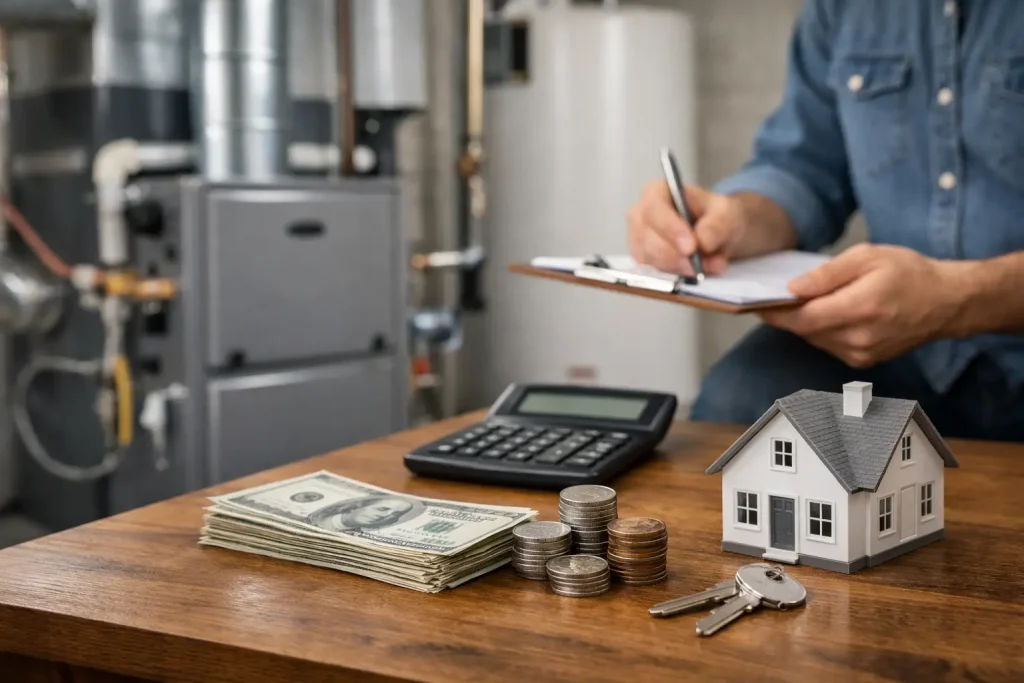
A furnace rarely fails at a convenient time. When the heat stops during an Eastern Ontario cold snap, the immediate priority is restoring safe, dependable heating. Furnace replacement financing options can help homeowners move forward with the right repair or replacement decision without delaying necessary work on a critical home system.
The best option is not always the one with the longest term or the fastest approval. It is the arrangement that fits your household, clearly explains the agreement, and lets the installation be completed properly. Before signing anything, make sure you understand the furnace scope, the work required around it, and the financing terms you are accepting.
Start With a Clear Furnace Assessment
Financing should support a sound heating decision, not replace one. A qualified technician should first assess why the existing furnace is no longer meeting your needs. The issue may be a failed component, a safety concern, unreliable operation, repeated breakdowns, poor airflow, or a furnace that has reached the practical end of its service life.
That assessment matters because a furnace does not work alone. Ductwork, thermostats, venting, fuel connections, electrical supply, condensate drainage, and filtration can all affect how a new system performs. In some homes, an electrical upgrade or related mechanical work may be needed to complete the installation safely. Knowing the full scope before arranging financing helps prevent surprises after the project is underway.
A replacement recommendation should also account for the home itself. Furnace capacity must suit the building, not simply match the old unit. Factors such as insulation, window condition, layout, additions, and the condition of the duct system can affect equipment selection and comfort.
Common Furnace Replacement Financing Options
Homeowners typically have several routes for financing a furnace replacement. Availability, qualification requirements, repayment structures, and terms vary, so review the current details directly with the provider before you commit.
Contractor-arranged financing
Many HVAC contractors offer financing through a third-party provider. This can be a practical choice when the replacement is urgent because the application process is connected to the project itself. SDR Electric, Plumbing & Heating offers financed project options through iFinance, giving customers a pathway to address an essential heating replacement while working with one local team on the installation.
Contractor-arranged financing can be especially helpful when the furnace project involves related work. For example, a replacement may require electrical adjustments, a new thermostat, condensate drainage work, or changes to a fuel or venting connection. Coordinating these items through one qualified contractor can make the scope clearer and reduce the need to manage separate trades.
Before proceeding, ask what documents are needed, whether approval is required before work begins, how payments are scheduled, and what happens if the project scope changes. Read the full financing agreement, including the repayment period, interest terms, fees, prepayment conditions, and missed-payment requirements.
Bank or credit union borrowing
A personal loan or line of credit from your bank or credit union may be another option. This route can make sense for homeowners who already have a relationship with a financial institution and want to compare repayment structures independently.
The trade-off is timing. If the furnace has failed and temperatures are dropping, an outside application process may not move as quickly as a contractor-arranged option. It can also separate the financing discussion from the installation plan, so be sure the borrowing amount and project scope align before authorizing work.
Home equity financing
For homeowners with available equity, a home equity line of credit or similar secured borrowing option may be considered. These arrangements can offer flexibility, but they also place the financing decision within the broader context of your home and long-term financial obligations.
This option is generally better suited to planned upgrades than a same-day no-heat emergency. Approval, documentation, and lender requirements may take time. It is also worth considering whether the furnace is part of a larger renovation, such as finishing a basement, replacing ductwork, upgrading electrical service, or adding cooling equipment. In that situation, a coordinated financing plan may be more appropriate than treating the furnace as an isolated purchase.
Savings or a planned household reserve
Using available savings avoids a financing application and ongoing payments. For some households, that is the simplest path. However, draining an emergency reserve can create a different problem if a sump pump fails, a plumbing leak develops, or another major home system needs attention soon after.
A balanced decision protects both your home comfort and your ability to handle unexpected repairs. If using savings would leave no room for a genuine emergency, financing part of the project may be worth considering.
How to Compare Furnace Replacement Financing Options
When comparing options, focus on the full agreement rather than one feature. A payment that appears manageable can still come with terms that deserve careful attention. Ask for the details in writing and give yourself time to review them when possible.
Look at the length of the repayment period, the interest rate and when it applies, any administrative or origination fees, and whether you can make extra payments without a penalty. Confirm how missed payments are handled and whether the agreement changes after an introductory period. If a promotion is offered, understand exactly when it ends and what condition applies afterward.
It is also helpful to separate the financing agreement from the installation agreement in your mind. Financing approval does not tell you whether a particular furnace is properly sized or whether the installation scope is complete. The contractor should still explain the recommended equipment, safety work, permit requirements where applicable, warranty coverage, and what is included in the project.
Prepare Before You Apply
A little preparation can make the process less stressful, especially when the furnace has failed unexpectedly. Gather identification, contact information, and any documents requested by the lender or financing provider. Review your monthly household obligations so you can choose a payment schedule that is realistic for your situation.
You should also ask the contractor for a clear written project description. It should identify the furnace replacement and any associated work, such as thermostat replacement, venting modifications, electrical connections, condensate piping, or removal of old equipment. This helps you apply for financing based on the actual scope instead of an assumption.
If more than one person owns the home or is involved in the financial decision, include them early. A furnace replacement is easier to manage when everyone understands the equipment recommendation, installation timing, and repayment commitment before the work is scheduled.
Do Not Let Financing Delay a Safety Issue
A furnace that is not operating safely needs prompt professional attention. Signs that should not be ignored include a gas smell, a carbon monoxide alarm, soot around the equipment, repeated shutdowns, unusual burning odors, or visible damage to venting. Leave the area if you suspect an immediate hazard and follow emergency guidance from your fuel supplier or local emergency services.
Financing can help make a necessary replacement more manageable, but it should never lead to shortcuts in installation. Proper venting, electrical connections, combustion setup, gas or fuel connections, and testing are essential to safe operation. Choosing a licensed, safety-focused contractor protects the home long after the financing paperwork is complete.
Questions to Ask Before Moving Forward
Can I finance related work with the furnace replacement?
It depends on the financing program and the project scope. If the replacement requires electrical, plumbing, ductwork, thermostat, or ventilation work, ask whether those items can be included in the same financed project. Getting the full scope confirmed first is the most practical approach.
Will financing affect how quickly the furnace can be installed?
It may. Approval requirements, equipment availability, permit needs, and the complexity of the installation can all affect scheduling. For a no-heat situation, tell the contractor immediately so the team can explain the available next steps and safe temporary measures, if appropriate.
Should I repair my current furnace instead?
That depends on the furnace condition, the nature of the failure, its repair history, safety considerations, and the expected reliability after repair. A professional assessment gives you the information needed to compare a repair with replacement without guessing.
A failed furnace puts real pressure on a household, but the decision does not need to be rushed blindly. Get a clear assessment, review the complete project scope, and choose a financing path you understand. That approach helps you restore heat with confidence while protecting the safety and long-term performance of your home.