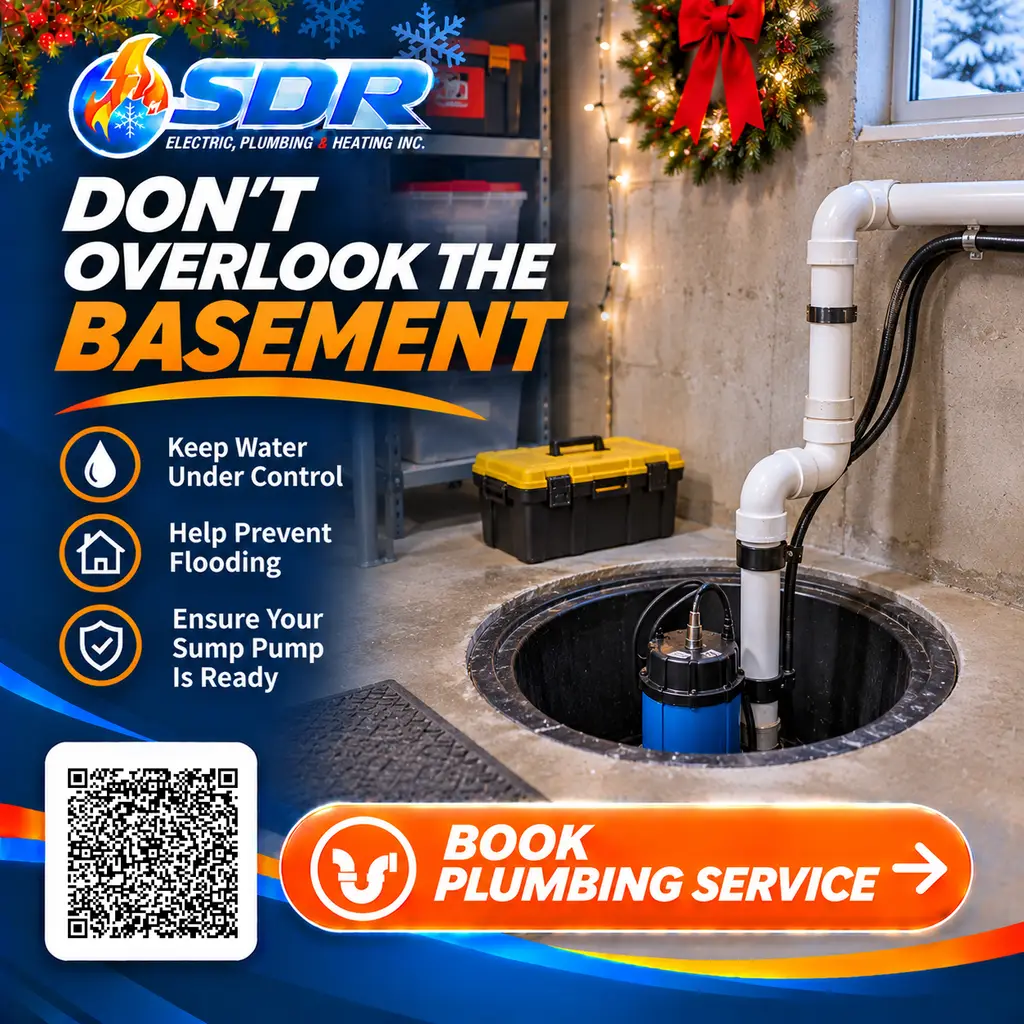
A sump pump can sit quietly for months, then become the one piece of equipment standing between a wet spring thaw and a dry basement. That is why winter sump pump checks for Ontario homes should happen before deep frost, heavy snow, and rapid temperature swings put extra strain on the system.
In Eastern Ontario, a sump pump does more than move water out of a pit. It depends on a working float, a clear discharge route, reliable power, and a check valve that keeps water from returning to the basin. A problem with any one of those components can leave the pump running without moving water, or prevent it from starting when groundwater rises.
Why Winter Creates Sump Pump Problems
Winter does not always bring the highest water levels. Spring melt usually creates that risk. But cold weather can create the conditions for a failure just when homeowners are least likely to notice it.
The most common issue is a frozen discharge line. Water leaves the sump pit through a pipe that routes it away from the foundation. If that pipe has poor slope, is buried too shallowly, has a blocked outlet, or is connected to a hose left in place for winter, trapped water can freeze. Once the line is blocked, the pump may run but have nowhere to send the water.
Snow and ice can also cover the discharge outlet. Even a properly operating pump cannot protect the basement if water is unable to exit the system. Power interruptions are another concern during winter storms, particularly for homes that rely on a sump pump in an area with a high water table.
Winter Sump Pump Checks for Ontario Homes
A careful visual inspection is the right place to start. Remove the sump pit cover if it is accessible and look for debris, loose material, or signs that the float is obstructed. The float needs enough open space to rise with the water level and trigger the pump. A cord tangled around the float, gravel in the pit, or a pump that has shifted out of position can stop that process.
Check that the pump is standing upright and that its intake is not buried in sediment. A small amount of silt is normal over time, especially in older homes, but a heavily dirty pit may reduce pump performance and can interfere with the float switch.
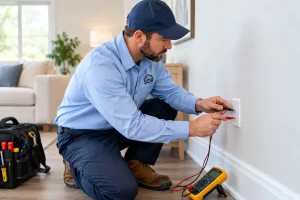
Next, inspect the power connection. The pump should be plugged into a properly functioning outlet, with its cord in good condition and no makeshift extension cords. If the outlet is protected by a ground-fault circuit interrupter, verify that it has not tripped. A tripped outlet can look harmless until the next period of heavy water flow.
Testing the pump is also worthwhile, but do it with care. If the pit is dry, slowly add enough water to lift the float and activate the pump. Stay with the system during the test. You should hear the pump start, see the water level drop, and confirm that water is leaving at the outdoor discharge point. Do not keep adding water if the pump does not start or if water is not moving out of the pit.
A pump that hums but does not move water, runs continuously, or cycles on and off rapidly needs attention. Those symptoms can point to a blocked line, stuck check valve, failed float, worn pump, or electrical problem.
Inspect the Outdoor Discharge Route
The discharge outlet deserves as much attention as the pump itself. Walk outside and locate where the system sends water away from the home. Clear snow, leaves, ice, and other obstructions from the outlet area. The end of the pipe should remain open and should direct water well away from the foundation.
If a flexible hose is attached to the discharge pipe, remove it before sustained freezing temperatures arrive unless the system was specifically designed for winter use. Long hoses often trap water, freeze solid, and create a blockage. The same issue can occur with poorly installed extensions that do not drain properly.
Look for signs of ice buildup around the outlet or water staining near the foundation. These can indicate that the discharge is not moving water far enough away. Water that drains beside the house can seep back toward the footing drain, causing the pump to work harder and increasing the chance of repeat cycling.
Do Not Overlook the Check Valve
The check valve is installed on the discharge pipe above the pump. Its job is simple: it stops pumped water from falling back into the pit after each cycle. When it fails, the pump may need to run repeatedly to move the same water.
Listen after a test cycle. A brief sound as the valve closes can be normal, but loud banging, persistent rattling, or water clearly returning to the pit may signal a problem. Check valves wear out, can become clogged with debris, and may be installed in the wrong direction after past repairs.
This is a small component with a large effect on pump operation. If there is any doubt about its condition, a plumbing professional can inspect the discharge assembly and confirm that the pump, valve, and piping are working together correctly.
Prepare for a Power Outage
A standard sump pump cannot run when utility power is out. That is a serious limitation during winter storms, when outage conditions and thawing snow can occur at the same time.
For many homes, a battery backup sump pump provides a practical second line of defense. It is separate from the primary pump and can operate when the main unit loses power or cannot keep up with incoming water. The battery should be checked regularly, not just installed and forgotten. Backup systems may provide alarms, but the exact runtime depends on battery condition, pump demand, and how much water is entering the pit.
A standby generator can offer broader protection by keeping key electrical loads running during an outage, including the sump pump, heating equipment, refrigeration, and well pump where applicable. The right setup depends on the home’s electrical service, the equipment being supported, and safe transfer equipment. This is not a do-it-yourself connection. A licensed electrical contractor should assess the load and install the system correctly.
Know When a Check Should Become a Service Call
Some winter maintenance is straightforward, but certain signs should not be ignored. Arrange professional service if the pump fails a test, the discharge line appears frozen, the pit fills unusually quickly, or there is visible water around the foundation. A burning smell, repeated breaker trips, damaged wiring, or a pump that runs continuously should be treated as urgent concerns.
It also makes sense to have the system assessed before finishing a basement, replacing flooring, or planning a renovation near the mechanical area. A sump pump may be only one part of the water-management picture. Grading, downspouts, foundation drainage, plumbing connections, backup power, and electrical protection can all affect the outcome.
For homeowners with well pumps, generators, or other interconnected mechanical equipment, coordinated service can make a real difference. SDR Electric, Plumbing & Heating can assess the plumbing and electrical sides of a sump pump issue so the system is not treated as an isolated problem.
A Seasonal Routine That Prevents Surprises
The best approach is simple: inspect the pit and float before winter, keep the discharge outlet clear after major snowfalls, and test the pump again before the spring thaw. Check backup batteries according to the manufacturer’s guidance, and pay attention to changes in how often the pump runs.
A sump pump does not need daily attention, but it does need a clear path to operate when water arrives. A short winter check can be the difference between noticing a small issue early and discovering it after water reaches the basement floor.