A breaker that trips once may be doing its job. A breaker that trips every time the microwave, space heater, or sump pump runs is sending a different message: the circuit may be overloaded, damaged, or no longer suited to the demands placed on it. When you need an electrician Spencerville property owners can rely on, the goal is not simply to get the power back on. It is to find the cause, correct it safely, and make sure the repair supports how the property is actually used.
Electrical problems are often easy to put off because the lights eventually come back on or an extension cord appears to solve the immediate issue. But electrical systems are not a place for temporary workarounds. Old wiring, loose connections, incorrect circuit sizing, and moisture exposure can create risks that are not visible from the outside.
When an Electrician in Spencerville Is Needed
Some electrical concerns are clearly urgent. A burning smell, smoke, sparking outlet, buzzing panel, warm switch plate, or repeated breaker trips should be investigated promptly. Turn off power to the affected area if it can be done safely, avoid using the circuit, and arrange for qualified service. Do not reset a breaker repeatedly in hopes that it will hold.
Other issues develop more gradually. Lights that dim when a major appliance starts, outlets that no longer hold plugs firmly, and rooms with too few receptacles may point to an aging or undersized system. Homes that have been added onto over the years can also have circuits serving far more equipment than they were designed to handle.
A professional assessment separates an inconvenience from a safety concern. The electrician can test the circuit, inspect connections, identify load issues, and explain whether the practical solution is a repair, a dedicated circuit, a panel upgrade, or a larger planned improvement. The right answer depends on the condition of the existing installation and the equipment the home needs to support.
Electrical warning signs worth acting on
Pay attention when a problem repeats, changes, or involves heat. Common signs that call for a qualified inspection include:
- Breakers that trip regularly or fuses that blow repeatedly
- Flickering or dimming lights on more than one fixture
- Outlets, switches, or electrical panels that feel warm
- Scorch marks, cracking, buzzing, or a burning odor
- Shocks or tingling when touching appliances or switches
- GFCI outlets that will not reset, especially near water
A single failed light fixture is not always a major system issue. Still, repeated symptoms deserve attention because they can indicate a loose neutral, failing device, damaged wiring, or a circuit that is carrying too much load.
Safe Electrical Repairs Start With Diagnosis
Electrical work is most reliable when the repair is based on testing rather than guesswork. For example, a dead outlet may be caused by a tripped GFCI outlet elsewhere in the home, a failed receptacle, a damaged connection, or a breaker issue. Replacing the outlet without identifying the cause can leave the real problem in place.
The same is true for nuisance breaker trips. Plugging fewer items into a circuit may help temporarily, but it does not always solve the underlying issue. A kitchen, laundry area, workshop, or garage may need properly planned dedicated circuits for the equipment used there. This gives appliances the power capacity they need without placing too much demand on one branch circuit.
Moisture adds another layer of concern. Exterior outlets, garages, basements, bathrooms, kitchens, and utility rooms need devices and protection appropriate to the environment. A sump pump outlet, for instance, is part of a system that protects the property from water damage. If the circuit or outlet is unreliable, the risk reaches beyond the electrical system.
Renovations Need Electrical Planning Before Walls Close
A renovation is the best time to correct electrical limitations that have been hidden behind walls or tolerated for years. It is also the time when homeowners often discover that lighting, outlet locations, heating equipment, plumbing upgrades, and ventilation needs all affect the electrical plan.
Adding a finished basement, home office, kitchen island, EV charger, workshop, or new appliance can require more than a few added outlets. The project may need new circuits, upgraded service capacity, revised panel space, properly placed lighting, smoke and carbon monoxide alarms, and protection suited to wet or unfinished areas.
Planning early avoids decisions made after drywall, cabinetry, or flooring is installed. An electrician can review what equipment will be used in each room, where power is needed, and whether the existing panel can accommodate the work. This is especially valuable in older homes, where prior alterations may not match the current layout or electrical demand.
Lighting deserves the same planning. Recessed lights, under-cabinet lighting, exterior security lighting, and dimmers can make a space more useful, but placement matters. The best plan considers task lighting, general lighting, switch locations, ceiling access, insulation clearances, and the controls that will be convenient for daily use.
Backup Power Is About More Than the Generator
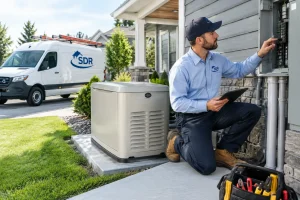
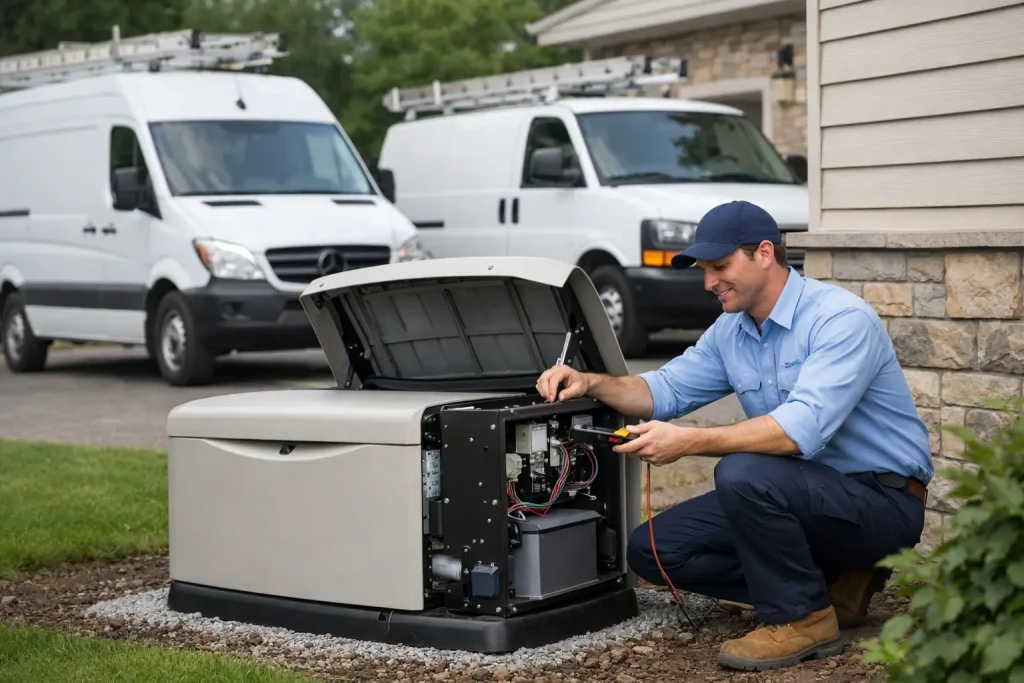
A generator can provide valuable protection during an outage, particularly for homes that depend on a well pump, sump pump, refrigeration, heating equipment, or essential medical devices. But backup power must be designed around the property, not selected as a stand-alone piece of equipment.
The electrical system needs a safe transfer method that prevents generator power from feeding back into utility lines. The system also needs a clear plan for which circuits are essential. Some homes need coverage for a few critical loads, while others need a whole-home approach. The proper choice depends on the available electrical capacity, fuel source, equipment demand, and the homeowner’s priorities during an outage.
This is where coordinated trade service makes a practical difference. Generator installation may involve electrical connections, fuel considerations, heating equipment, ventilation clearances, and equipment placement. SDR Electric, Plumbing & Heating Inc. can coordinate these connected needs so the project is planned as one property system rather than a series of separate jobs.
Choosing the Right Electrical Help for Your Property
For a small repair, it is reasonable to want a prompt, focused visit. For a renovation, panel upgrade, generator installation, or commercial tenant improvement, you need a contractor who can plan the scope, communicate clearly, and coordinate with the other systems in the building.
Ask whether the work will be performed by qualified, licensed professionals and whether the contractor will explain the condition found before recommending a path forward. Good electrical service should not leave you guessing about what failed, why it matters, or what the repair is intended to prevent.
For landlords, business owners, and property managers, documentation and dependable scheduling are equally important. Electrical issues can affect tenants, inventory, safety systems, refrigeration, pumps, and daily operations. A capable local team can help address the immediate fault while considering whether the building needs a longer-term upgrade plan.
A Safer Next Step for Electrical Concerns
If something in your home or building does not look, sound, or smell right, treat it as a reason to investigate rather than a problem to work around. A qualified electrical assessment can turn a recurring interruption into a clear repair plan, helping protect the people, equipment, and systems that depend on reliable power.