A tripped breaker in a retail space, dim lighting in an office, or a panel with no room for new equipment can quickly become more than an inconvenience. When a business needs a commercial electrical contractor in Brockville, the goal is not simply to restore power. It is to identify the cause, protect people and equipment, and make sure the electrical system can support the building’s day-to-day demands.
Commercial properties often have electrical needs that reach beyond a single circuit or fixture. A restaurant may be adding kitchen equipment. A landlord may be preparing a unit for a new tenant. A shop may need better exterior lighting, more reliable power distribution, or a backup power plan. The right contractor helps turn those needs into a safe, organized scope of work.
Commercial Electrical Work Starts With the Building
A commercial electrical system should be assessed in the context of how the building is actually used. The electrical demands of a medical office, warehouse, apartment building, retail store, and small manufacturing space are very different, even when the buildings appear similar from the outside.
A proper assessment looks at the service capacity, panel condition, available circuit space, existing wiring, grounding, lighting, equipment loads, and any visible signs of damage or overheating. It should also account for future plans. If a business expects to add equipment, renovate offices, install electric vehicle charging, or divide space for tenants, those changes can affect electrical requirements now.
This planning matters because a quick fix is not always the right fix. Replacing a breaker may address an immediate issue, but repeated tripping can point to an overloaded circuit, a failing piece of equipment, loose connections, or an undersized electrical system. Finding the reason behind the problem helps prevent disruption from returning a few weeks later.
When to Call a Commercial Electrical Contractor in Brockville
Some electrical concerns are obvious, such as smoke, burning odors, sparking, or a complete loss of power. Those situations need immediate attention and should not be handled by building staff or tenants. Other warning signs can be less dramatic but still deserve a professional inspection.
Frequent breaker trips, flickering lights, warm outlets or switches, buzzing electrical equipment, and equipment that loses power unexpectedly can all signal a problem. Older panels, damaged conduits, exposed wiring, and extension cords being used as permanent solutions also deserve attention. In a commercial setting, these conditions can affect employee safety, customer comfort, operations, and valuable equipment.
A qualified electrical contractor can troubleshoot the issue methodically rather than guessing at the cause. That means tracing the affected circuit, testing components, reviewing loads, and identifying whether the problem is isolated or part of a larger system concern. Clear findings are especially helpful for property owners who need to make informed decisions for occupied spaces.
Common Commercial Electrical Projects
Commercial work ranges from targeted repairs to complete electrical systems for new construction. The scope depends on the building, its occupancy, and the equipment it must support.
Tenant improvements are a common example. A new tenant may need relocated receptacles, dedicated circuits, improved lighting, data-related electrical provisions, signage power, or new equipment connections. These projects need careful coordination because walls, ceilings, plumbing, heating, cooling, and finishes may all be changing at the same time.
Lighting upgrades are another practical investment. Poorly lit parking areas, entrances, offices, and workspaces can create safety concerns and make a property less functional. The right lighting plan considers where people work, how customers move through the space, required illumination, controls, and maintenance access. Brighter is not always better. Placement, glare, operating schedules, and the purpose of the area all matter.
Electrical service upgrades may be needed when a building’s existing service cannot safely support new loads. This can arise when adding larger HVAC equipment, commercial kitchen equipment, pumps, workshops, or expanded tenant areas. A service upgrade requires planning around current usage, future growth, utility requirements, permits, shutdown timing, and the building’s operating schedule.
Why Multi-Trade Coordination Matters
Electrical systems rarely operate alone. A renovation that appears to be electrical work may also involve plumbing for a new washroom, HVAC changes for reconfigured rooms, or generator connections for critical equipment. If each trade works independently, conflicts can show up late in the project as blocked access, misplaced equipment, missed openings, or avoidable delays.
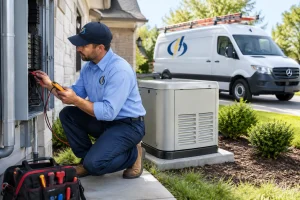
Coordinated delivery gives property owners and contractors one team that can look at the full mechanical picture. For example, a new rooftop unit may require electrical supply, disconnect placement, controls coordination, and structural or roofing considerations. A sump pump or well pump installation needs dependable electrical power as well as the right plumbing work. Backup generator installations involve both electrical connections and careful planning for the equipment location and fuel source.
SDR Electric, Plumbing & Heating Inc. provides this kind of coordinated support for commercial projects where electrical, plumbing, HVAC, and backup power work intersect. Having one accountable local team can make communication clearer during renovations, repairs, and new construction.
What Good Project Planning Looks Like
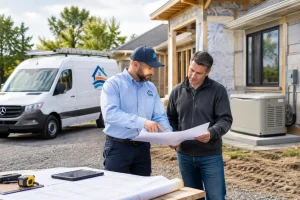
A commercial electrical project should begin with a site review and a clear conversation about the building’s needs. The contractor should understand what is changing, what must remain operational, and whether the work will affect tenants, staff, customers, or critical equipment.
For occupied buildings, scheduling is often as important as the installation itself. Some work can be completed during normal hours. Other tasks, particularly panel work or service changes, may require planned outages. A capable contractor identifies those impacts early, explains what needs to happen, and helps organize the work to reduce disruption where possible.
The project should also account for required permits, inspections, and applicable electrical safety requirements. Commercial property owners should not have to chase down basic details after work begins. Clear communication about the scope, access needs, shutdowns, and next steps makes the process easier for everyone involved.
Before a project is considered complete, the electrical work should be checked with the rest of the building systems in mind. Useful closeout steps include confirming that equipment has power, controls operate as intended, panels are properly identified, and affected areas are returned to safe working condition.
Choosing the Right Electrical Partner
Experience matters, but so does the contractor’s approach. Commercial clients need a trade partner who can respond to immediate problems while also recognizing the larger property implications. A repair in a single unit may reveal an aging distribution issue. A new piece of equipment may require more than a nearby outlet. A renovation may create opportunities to improve lighting, circuit access, or backup power at the same time.
Look for clear communication, safety-focused workmanship, organized scheduling, and the ability to explain technical findings in plain language. Contractors should be prepared to work with business owners, property managers, general contractors, tenants, and other trades. They should also understand that commercial buildings cannot always pause operations for long periods.
It depends on the project whether a focused electrical repair or a broader building-system review makes the most sense. For a simple failed fixture, a targeted service call may be all that is needed. For recurring electrical issues, a major renovation, or an expanding business, taking time to assess capacity and coordination can prevent costly surprises later.
If your Brockville commercial property has unreliable power, outdated electrical equipment, a planned renovation, or new equipment on the way, start with a site assessment and a clear description of how the space needs to function. The best next step is the one that keeps your people safe, your operations moving, and your building ready for what comes next.