A cold December morning is a poor time to learn that a furnace filter is plugged, a thermostat battery has failed, or a boiler has been losing pressure for weeks. A practical december home heating maintenance checklist helps you catch those smaller issues while there is time to schedule service, rather than reacting to a no-heat call when temperatures drop.
For homeowners in Eastern Ontario, heating systems often run hard for long stretches. A few routine checks can improve comfort and help identify conditions that need licensed HVAC attention. The goal is not to take apart equipment or attempt repairs beyond your training. It is to keep the system clear, monitored, and ready to do its job safely.
Start with the equipment you can safely inspect
Begin at the thermostat. Confirm it is set to Heat, the programmed schedule matches how your household uses the home, and the display is working normally. If the thermostat uses batteries, replace them before they fail. Set the temperature a few degrees above room temperature and listen for the heating system to start.
Pay attention to what happens next. A furnace should start, produce warm air, and complete a normal heating cycle. A boiler should respond without persistent banging, whistling, or unusual odors. Heat pumps may make different sounds during a defrost cycle, but repeated shutdowns, weak heat, or a system that cannot maintain the set temperature deserves a professional assessment.
At the furnace or air handler, make sure the service area is accessible. Remove storage boxes, paint cans, laundry, and other combustible or moisture-sensitive items from around the unit. Do not block panels, vents, condensate drains, or shutoff switches. Your heating equipment needs clear working space for airflow, safe operation, and future service.
Replace or inspect the air filter
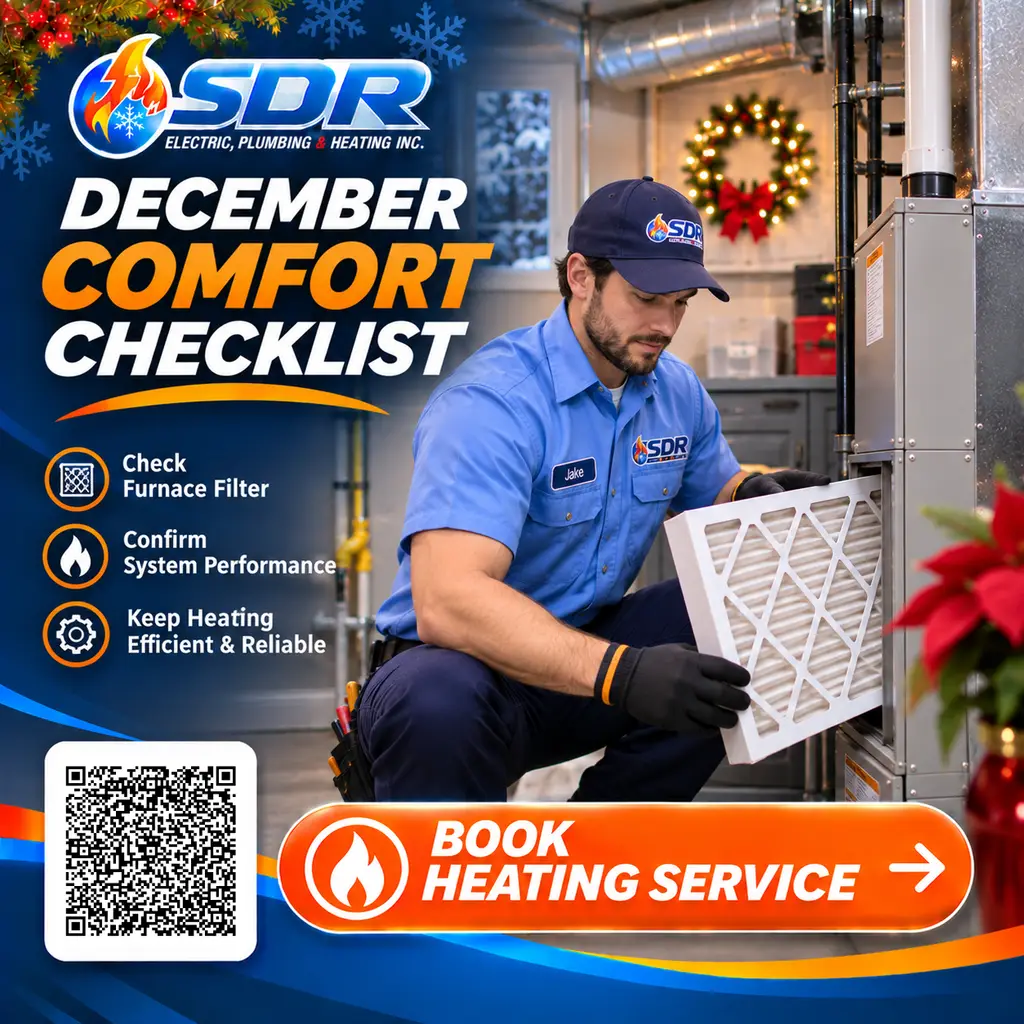
A dirty furnace filter is one of the most common, preventable causes of poor airflow. It can make rooms feel unevenly heated, increase system run time, and put unnecessary strain on the blower motor. Check the filter monthly during peak heating season, especially if you have pets, construction dust, or a busy household.
Use the size and filter type recommended for your equipment. A highly restrictive filter is not always the better choice. Some systems are not designed for dense filtration media and may lose airflow if the filter is too restrictive. If you are unsure which filter rating is appropriate, ask an HVAC technician during maintenance rather than guessing.
Before removing the filter, turn off the system at the thermostat. Install the replacement in the direction shown by the airflow arrow. Write the replacement date on the filter frame so the next check is easy to track.
Walk through the home and check heat delivery
Your heating system can be operating properly while a room remains cold because supply or return airflow is restricted. Walk through each occupied room and confirm that registers, grilles, radiators, or baseboard units are not covered by furniture, rugs, drapes, or seasonal decorations.
For forced-air systems, open supply registers and make sure return-air grilles are clear. Closing too many vents to force heat into one area can disrupt airflow and create comfort problems elsewhere. If one room is consistently cold, the cause may be duct leakage, insulation gaps, a balancing issue, or an undersized or poorly located return. The right solution depends on the home, not just the symptom.
For boiler or hydronic heat, look for leaks around radiators, baseboards, valves, and visible piping. Note cold sections of a radiator, air sounds in the piping, or rooms that heat much more slowly than others. Bleeding, pressure adjustments, and repairs should be handled according to the equipment manufacturer’s instructions and, when needed, by a qualified technician.
Check vents, exhausts, and outdoor components
High-efficiency furnaces and boilers commonly use exterior intake and exhaust pipes. Snow, ice, leaves, animal nests, or drifting debris can block these terminations and cause an unexpected shutdown. From outside, visually check that the pipes are clear and undamaged. Do not insert tools into a vent pipe or modify its termination.
If your home has a heat pump, keep the outdoor unit clear of leaves, snow buildup, and items that could restrict airflow. Do not build a tight enclosure around it for winter. The unit needs room to move air, and improper covers can trap moisture or interfere with operation. After heavy snow or wind, inspect the area again.
For homes with conventional chimneys or flues, watch for staining, loose connections, rust, or evidence of moisture near the appliance. These can point to venting or condensation concerns. Combustion venting is not a do-it-yourself repair. Call for service promptly if you see visible damage or notice exhaust odors indoors.
Test the safety devices that protect your household
December is a good time to test every smoke alarm and carbon monoxide alarm in the home. Use the test button, replace batteries where applicable, and confirm alarms are installed near sleeping areas and on each level of the home. Carbon monoxide is colorless and odorless. You cannot rely on smell to identify it.
Review these warning signs with everyone in the household:
- A carbon monoxide alarm sounds or displays an active alert.
- You smell gas, fuel oil, burning plastic, or persistent exhaust indoors.
- Family members experience unexplained headaches, dizziness, nausea, or confusion while at home.
- The furnace, boiler, or fireplace has visible soot, flame irregularities, or repeated lockouts.
If a carbon monoxide alarm activates, move everyone outside to fresh air and contact emergency services or the appropriate utility response line. Do not re-enter because the alarm stops. If you smell gas, leave the area, avoid switches or open flames, and contact emergency assistance from a safe location.
Do not overlook humidifiers, drains, and electrical connections
Dry indoor air can make a heated home feel less comfortable, but an improperly maintained whole-home humidifier can create its own problems. Check for mineral buildup, leaking water lines, damaged pads, or standing water. Replace the evaporator pad as recommended for your unit and use the proper water treatment steps if your manufacturer calls for them. Excess humidity can lead to window condensation and moisture damage, so aim for a setting appropriate for outdoor temperatures.
High-efficiency furnaces often produce condensate that drains through tubing or a pump. Look for water around the equipment, a full pump reservoir, damaged tubing, or a drain line that appears blocked. Do not ignore a small puddle. A condensate problem can shut down heating equipment or damage nearby finishes.
Avoid resetting breakers, bypassing safety switches, or repeatedly cycling power to make a system run. A tripping breaker, burning smell, or intermittent operation can indicate an electrical issue that needs proper diagnosis. Heating, electrical, and plumbing systems frequently overlap in a mechanical room, which is why clear troubleshooting matters.
Know when maintenance becomes a service call
Homeowner checks are useful, but they do not replace annual professional maintenance. A trained technician can inspect combustion performance, gas or fuel connections, heat exchangers, electrical components, blower operation, ignition systems, venting, refrigerant-related heat pump performance, and manufacturer-specific safety controls.
Schedule professional service if your system is overdue, if utility use has increased without a clear reason, or if heating is uneven despite clean filters and open vents. Call sooner for banging or grinding noises, water leaks, persistent error codes, short cycling, frequent breaker trips, or any safety concern.
A planned visit is also the right time to discuss equipment nearing the end of its service life, thermostat upgrades, recurring cold rooms, or a renovation that will change how your home is heated. SDR Electric, Plumbing & Heating can help assess interconnected mechanical, electrical, and plumbing concerns so recommendations fit the property rather than addressing one isolated symptom.
Keep a simple winter record
A short record makes future service more efficient. Keep the date filters were changed, note thermostat settings, record any error codes, and write down when noises or comfort issues occur. Photos of leaks, frost, or display messages can also help a technician understand an intermittent issue.
The most useful December maintenance step is acting on changes early. If your heat sounds different, runs longer than usual, or leaves part of the house cold, arrange an inspection before a minor warning becomes a midwinter interruption.