A tripping breaker is more than an inconvenience when it happens every time the microwave, space heater, or workshop tool runs. It can be a sign that your home has outgrown its electrical capacity. This guide to electrical service upgrades explains what an upgrade involves, when it makes sense, and how to plan the work safely around the systems that depend on reliable power.
An electrical service upgrade is not simply replacing an old panel with a newer-looking box. Depending on the property, it may involve the incoming service equipment, meter base, main disconnect, panel, grounding, wiring connections, and coordination with the local utility. The right scope depends on the building’s existing condition and the equipment you plan to power now and in the years ahead.
What an Electrical Service Upgrade Actually Changes
Your electrical service is the path electricity takes from the utility connection into your property. Its capacity is measured in amps, while the panel distributes that power to individual circuits for lighting, receptacles, appliances, heating equipment, pumps, and other loads.
A service upgrade increases or modernizes the equipment that brings and manages that power. In an older home, the service may have limited capacity, an undersized panel, obsolete equipment, or too few circuit spaces for current needs. A newer panel can also be full even when the overall service capacity is adequate. Those are different problems, and they do not always require the same solution.
For example, a crowded panel may need additional circuit capacity through a properly planned panel replacement or subpanel. A home adding electric vehicle charging, electric heat, a hot tub, or major renovations may need a larger service after a formal load calculation. The goal is not to install the biggest service available. It is to install equipment that safely supports the property’s real electrical demand.
Signs Your Home May Need an Electrical Upgrade
Age alone does not determine whether an upgrade is necessary, but older electrical systems deserve a closer look, especially before a renovation. Warning signs are often practical and easy to recognize. You may notice breakers tripping during normal use, lights dimming when large equipment starts, warm or discolored outlets, buzzing from the panel, or a lack of outlets in heavily used rooms.
Other situations call for planning before installation begins. Consider an electrical assessment if you are:
- Installing an EV charger, hot tub, pool equipment, or electric range
- Converting from fuel-fired heating to heat pumps or electric heat
- Building an addition, finishing a basement, or renovating a kitchen
- Adding a generator or planning whole-home backup power
- Replacing a well pump, sump pump, or other essential mechanical equipment
A breaker that trips occasionally may be doing its job by protecting a circuit from overload. Repeated tripping should not be solved by installing a larger breaker without evaluating the wiring and connected load. That can create a serious fire and shock hazard. A licensed electrician should determine whether the issue is a worn breaker, a faulty appliance, a circuit overload, damaged wiring, or a larger service limitation.
Service Capacity and Panel Space Are Not the Same Thing
Homeowners often use the terms “panel upgrade” and “service upgrade” interchangeably. They can be part of the same project, but they address different needs.
Service capacity refers to how much electricity can safely enter the home. Panel space refers to the number of available positions for breakers and circuits. You may have enough incoming capacity but no practical room to add dedicated circuits for a new kitchen appliance, heat pump, or EV charger. In that case, a panel replacement or subpanel may be appropriate without changing the utility service.
The reverse can also be true. A panel may appear to have open spaces, but the overall service may not have enough calculated capacity for major new electrical loads. This is why a visual inspection alone is not enough. A qualified contractor reviews the service rating, existing loads, planned equipment, panel condition, grounding and bonding, and the layout of the property before recommending a path forward.
Start With a Load Calculation, Not a Guess
A load calculation is the foundation of a well-planned electrical upgrade. It estimates the electrical demand created by lighting, receptacles, appliances, heating and cooling equipment, water heaters, pumps, cooking equipment, and proposed additions.
Not every device runs at maximum demand at the same time, so the calculation uses established rules to determine a realistic design load. This prevents two common mistakes: spending on a larger service that is not needed, or installing equipment that becomes restrictive as soon as the next project begins.
Planning matters most when several systems are changing at once. A kitchen renovation might add an induction range, dishwasher, microwave circuit, lighting, and receptacles. A mechanical upgrade may add heat pumps, an air handler, a heat pump water heater, or a well pump control system. When those projects are planned independently, electrical requirements can be missed until late in the job.
For properties in Leeds and Grenville and surrounding Eastern Ontario communities, coordinated planning is especially useful for rural homes with well pumps, sump pumps, water treatment equipment, outbuildings, and backup-power needs. Those systems are not optional conveniences when severe weather or an outage occurs. Their electrical requirements should be included in the project plan from the start.
What a Safe Electrical Service Upgrade Includes
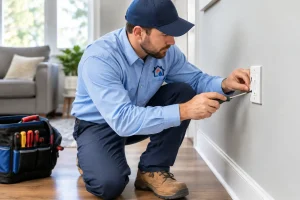
The exact work varies by property, but a proper upgrade begins with an on-site assessment. The electrician checks the service entrance equipment, panel condition, available circuit space, grounding and bonding, visible wiring concerns, and the loads you want to add. They should also identify access requirements, potential utility coordination, and any permit or inspection steps required for the work.
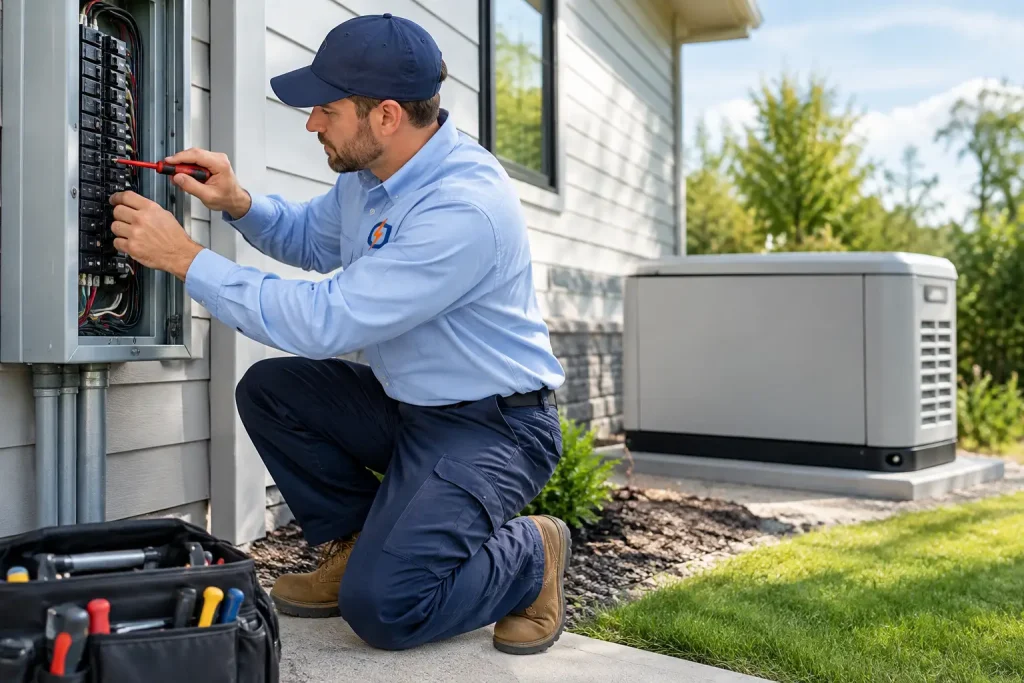
The installation may include a new panel, main disconnect, meter equipment, service conductors, breakers, grounding components, and dedicated circuits for new equipment. Older panels may have corrosion, damaged bus bars, loose connections, or components that are no longer suitable for continued use. Replacing only the visible panel door does not correct those underlying issues.
Modern safety protection is also part of the conversation. Depending on the circuits and the work being completed, this can include ground-fault and arc-fault protection. These devices are designed to reduce risks associated with electrical faults in areas where people, moisture, appliances, or concealed wiring create added concern.
A planned shutdown is usually required while service equipment is replaced or connected. Your contractor should explain what will be off, how long the interruption may affect the property, and what needs to be prepared beforehand. Homes with refrigerators, medical equipment, well water systems, security systems, or business equipment need extra planning so the outage is managed safely.
Plan Ahead for EVs, Generators, and Mechanical Equipment
The best time to think about future loads is before walls are closed or new equipment is installed. Even if you are not ready to add an EV charger or standby generator today, an electrical upgrade can sometimes be designed with space and routing for a later connection. That is often simpler than reopening finished areas after a renovation.
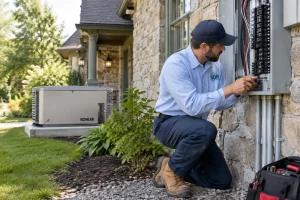
Generator planning deserves particular attention. A generator does not simply plug into the panel. It needs correctly selected transfer equipment so utility power and generator power cannot feed into each other. The design also determines which circuits receive backup power. Some homeowners want to support essentials such as a well pump, sump pump, refrigerator, heating equipment, lighting, and internet. Others want a system capable of backing up more of the home. The electrical service, generator size, and selected loads must be planned together.
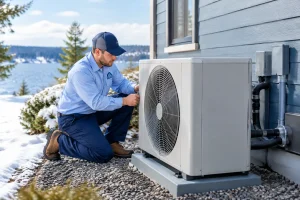
Heat pumps, electric water heaters, and other high-demand mechanical equipment also need dedicated circuits sized for their specifications. When electrical, plumbing, heating, cooling, and generator work overlap, one coordinated team can prevent missed requirements and reduce disruption between project stages.
Questions to Ask Before Approving the Work
A clear proposal should explain what problem the upgrade solves and what equipment will be changed. Ask whether the recommendation is based on a load calculation, whether it addresses current code and safety requirements, and whether there is capacity for the equipment you expect to add later.
It is also reasonable to ask how the power interruption will be handled, whether utility coordination is needed, and how inspection requirements will be managed. If your home has a well, sump pump, electric heat, water treatment system, or generator, make sure those systems are part of the discussion. A service upgrade is a central project, not an isolated panel replacement.
SDR Electric, Plumbing & Heating Inc. helps property owners plan electrical work alongside the mechanical systems that rely on it, from renovation circuits to backup-power and pump requirements. The practical first step is an assessment that identifies what your property needs now, what can wait, and what should be planned before the next major project begins.
A well-designed electrical service should fade into the background: breakers stay stable, essential equipment has the circuits it needs, and future improvements do not start with an avoidable limitation. That peace of mind begins with a safe evaluation, not a guess at the panel.