A winter outage can turn into a property problem quickly. The lights go out, but so can the furnace, sump pump, well pump, refrigerator, internet connection, and essential medical equipment. When comparing portable versus standby generators, the right choice comes down to how much of your home or building must stay operational, how often outages occur, and how involved you want the backup-power process to be.
A portable generator can be a practical solution for short outages and limited electrical needs. A standby generator is built for a more automatic, whole-property response. Both can provide valuable protection, but they are not interchangeable systems.
Portable Versus Standby Generators: The Main Difference
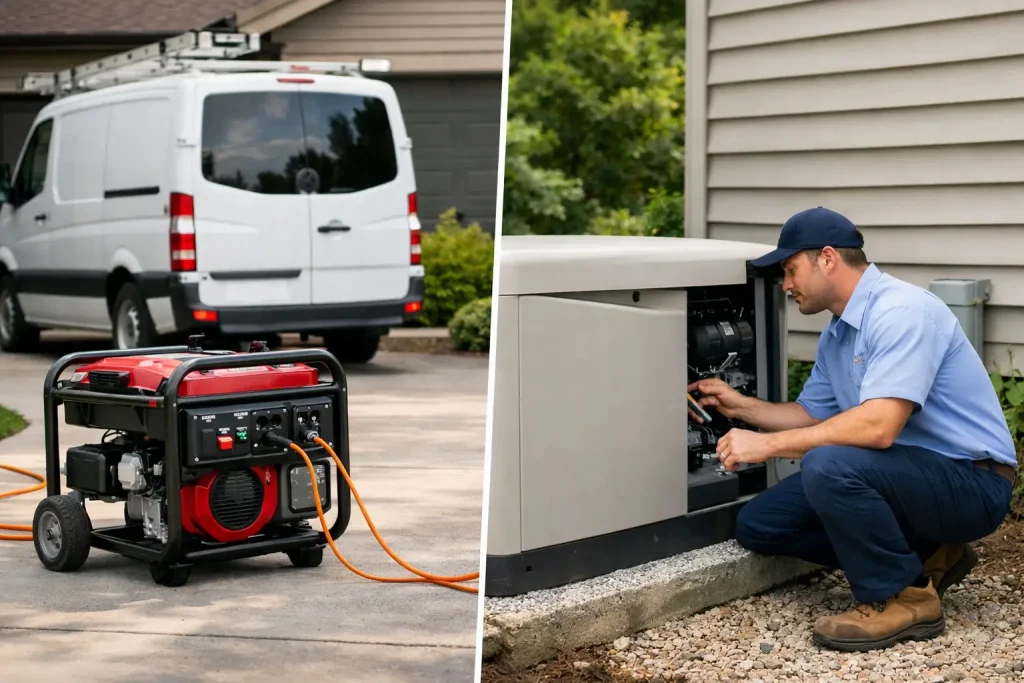
A portable generator is a movable unit that runs outside and supplies power through extension cords or a properly installed generator inlet and transfer switch. During an outage, someone needs to bring it out, start it, manage its fuel supply, and connect it safely.
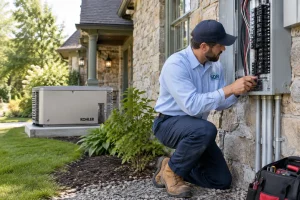
A standby generator is permanently installed outside the home or business. It is connected to a fuel source, such as natural gas or propane, and works with an automatic transfer switch. When utility power fails, the generator detects the outage, starts automatically, and transfers selected electrical loads to backup power. When utility service returns, the system transfers back and shuts the generator down.
That difference matters most when nobody is home, when an outage starts overnight, or when a property relies on equipment that cannot wait for manual setup. A standby unit can protect critical systems without requiring someone to be present. A portable unit requires preparation and safe operation each time it is used.
When a Portable Generator Makes Sense
Portable generators are often a good fit for homeowners who need temporary backup power for a few priority items. That may include a refrigerator, freezer, several lights, a phone charger, a modem, and possibly a small space heater or sump pump, depending on generator capacity and circuit requirements.
They can also be useful for seasonal properties, smaller homes, workshops, and sites where outages are infrequent. The equipment can be stored when not needed and moved to another location when appropriate.
However, portable power requires a plan. A generator must always operate outdoors, well away from windows, doors, soffit vents, garages, and any area where exhaust could enter the building. Carbon monoxide is odorless and dangerous. Running a generator in a garage, shed, basement, or enclosed porch is never safe, even if doors or windows are open.
Fuel management is another consideration. Portable units commonly use gasoline, propane, or dual-fuel arrangements. Fuel must be stored and handled correctly, and the unit may need refueling during a longer outage. In freezing rain, deep snow, or high winds, going outside to refuel and monitor equipment can be difficult.
Use a Transfer Switch, Not a Backfeed Connection
The safest way to connect a portable generator to home circuits is through a properly sized generator inlet and transfer switch or approved interlock system installed by a licensed electrician. This allows selected circuits to receive generator power while keeping the generator isolated from the utility supply.
Never plug a generator into a regular wall outlet to power a building. This practice, often called backfeeding, can energize utility lines, damage electrical equipment, create fire hazards, and put utility workers at risk. It is not a safe substitute for a transfer switch.
A professionally planned portable-generator connection is especially useful for homes with a well pump, sump pump, furnace blower, septic equipment, or freezer load. These systems often have starting demands that need to be considered before choosing the generator and protected circuits.
When a Standby Generator Is the Better Choice
A standby generator is designed for homeowners and property owners who need reliable backup power with minimal interruption. It is a strong option when an outage could lead to flooding, frozen pipes, loss of well water, spoiled inventory, security concerns, or disruption to a home-based business.
For many rural properties, the well pump and heating system are central to the decision. Without electricity, a well pump cannot deliver water. If the home uses a boiler, furnace, pellet system, or other electrically controlled heating equipment, the heating system may also stop even when fuel is available. A standby generator can keep those critical systems operating through a prolonged outage, provided the system has been sized and configured correctly.
Standby generators are also useful for homes that are vacant part of the year. A long outage during cold weather can create a serious freeze-up risk if no one is available to start a portable unit. Automatic backup power helps maintain heat, sump operation, refrigeration, alarms, and selected lighting without waiting for someone to arrive.
For commercial buildings, the need may be even more specific. A small standby system may support essential lighting, networking equipment, refrigeration, pumps, security systems, or critical operations. The proper scope depends on the building’s electrical service, the loads that must remain active, and any operational requirements during an outage.
Whole-Home Power or Essential Circuits?
A standby generator does not always need to power every electrical item in the building. Many homeowners choose an essential-load design that supports the systems most likely to matter during an outage: heating equipment, refrigeration, well or sump pumps, selected lights, internet equipment, garage doors, and a few general-use receptacles.
A whole-home approach can support more circuits and provide a more normal living experience, but it requires a careful load calculation. Central air conditioning, electric ranges, electric water heaters, dryers, large shop tools, and electric vehicle chargers can significantly increase generator capacity requirements.
The goal is not simply to install the largest unit possible. It is to identify what needs to run at the same time, account for motor starting loads, and build a system that performs safely during real conditions. An electrician can review the main electrical panel, existing service capacity, fuel options, and critical equipment before recommending a configuration.
Fuel, Maintenance, and Installation Considerations
Portable generators require hands-on maintenance and readiness checks. Oil, batteries where applicable, fuel condition, air filters, and exercise runs all affect whether the unit starts when needed. A generator that sits unused for years may not be dependable during the first major outage.
Standby generators also require maintenance, but they are intended for routine automatic exercise and scheduled service. The installation includes more than the generator itself. It may involve a concrete or engineered pad, fuel piping, electrical connections, transfer equipment, load planning, permits, and required clearances from the building and surrounding features.
Natural gas can offer a convenient continuous fuel supply where available. Propane is common in areas without natural gas service, but the tank size and fuel consumption need to be considered for extended outages. The best fuel choice depends on the property, existing mechanical systems, local supply, and the length of outages you want to prepare for.
Noise is another practical factor. Both portable and standby units produce sound while operating. Placement, local requirements, neighbor proximity, and access for maintenance should be reviewed before installation. A generator should also be located where snow, ice, drainage, and future service access will not create avoidable problems.
Questions to Ask Before Choosing a Generator
Start with the consequences of losing power rather than the generator model. Ask whether your property has a sump pump that must run during storms, a well pump that provides all household water, a furnace or boiler that needs electricity, or a finished basement vulnerable to water damage. Consider whether anyone in the home relies on medical equipment or whether a business must keep refrigeration, communications, or security systems active.
Then consider the human side of the outage. Are you comfortable moving, starting, connecting, and refueling a portable generator in bad weather? Will someone be available to do it when the outage happens? If the answer is no, a standby system may provide greater confidence.
Finally, have the electrical system assessed before making a decision. Generator sizing is not based only on square footage. It depends on the actual loads in the home or building, the circuits selected for backup, and the starting requirements of motors and pumps.
A properly installed generator is part of a larger property-protection plan. For homeowners in Leeds and Grenville, SDR Electric, Plumbing & Heating can coordinate generator planning with the electrical, heating, well-pump, and sump-pump systems that need to keep working when the grid does not. The most useful backup system is the one that matches your real risks, starts safely, and is ready before the next outage tests it.