A new heat pump, an induction range, and an electric vehicle charger can all improve how a home runs. But they also draw power from the same electrical service. That is why residential electrification trends are not simply about swapping one appliance for another. For homeowners, they are increasingly whole-home planning projects involving the electrical panel, heating and cooling equipment, hot water, ventilation, plumbing connections, and backup power.
For homes across Eastern Ontario, the decision is often practical. A furnace may be nearing the end of its service life, a family may be adding a vehicle charger, or a renovation may create the right time to update aging wiring. The best results come from looking at those needs together before equipment is selected and walls are closed.
What Is Driving Residential Electrification Trends?
Electrification means moving building systems that run on fossil fuels toward systems powered by electricity. In a home, that can include heat pumps, electric water heaters, induction cooktops, electric dryers, panel upgrades, and EV chargers. It does not require every system to change at once.
Heating and cooling are a major driver. Modern cold-climate heat pumps can provide efficient heating through much of an Ontario winter while also delivering air conditioning in summer. For some homes, a heat pump becomes the primary heating system. For others, a dual-fuel arrangement that retains a furnace for very cold weather or backup may be the more practical choice. The right answer depends on the home’s insulation, ductwork, heat loss, existing equipment, and the homeowner’s comfort priorities.
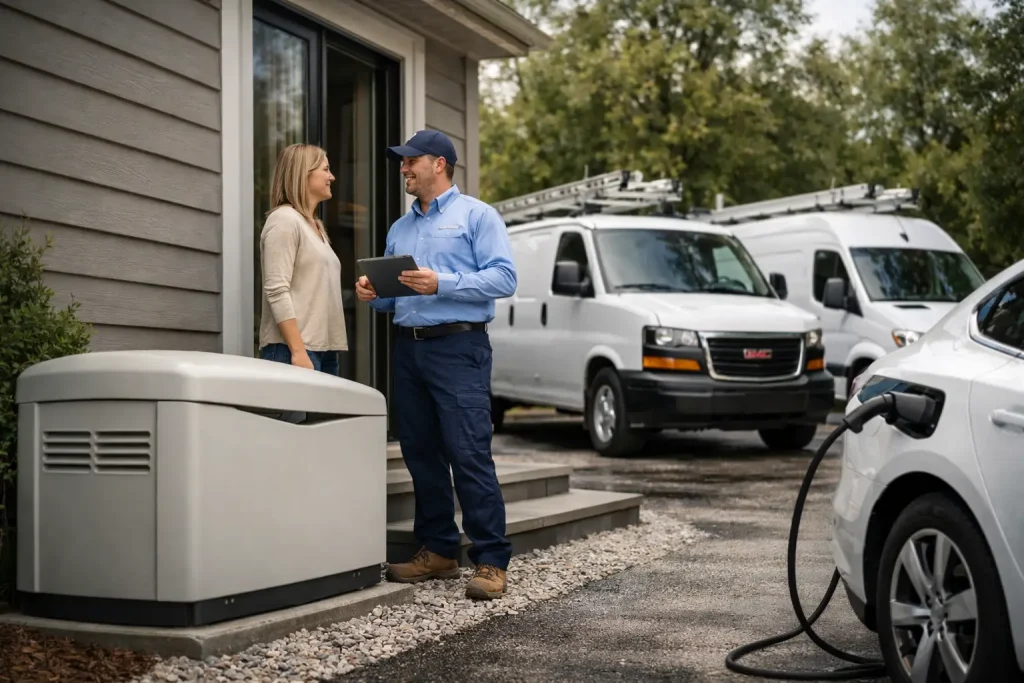
Electric vehicles are also changing residential electrical needs. A standard outlet may be adequate for occasional charging, but many households want a dedicated Level 2 charger for faster, more reliable daily use. That charger needs a correctly sized circuit, safe wiring, and capacity in the existing panel.
Kitchen renovations are another common trigger. Induction cooking offers responsive temperature control and avoids combustion at the cooktop, but an electric range generally needs a dedicated high-amperage circuit. When a renovation includes new lighting, outlets, a range, a dishwasher, and a microwave, it is sensible to assess the panel and service before cabinets and finishes go in.
Start With the Electrical Service, Not the New Appliance
The panel is the traffic control center for a home’s electrical system. Adding large loads without understanding available capacity can lead to nuisance tripping, overloaded equipment, or a system that does not meet current electrical requirements.
A qualified electrical assessment looks beyond the number printed on the main breaker. It considers the service size, panel condition, available breaker space, existing loads, planned loads, feeder wiring, and the demand profile of the home. A 100-amp service may work well for one household but be limiting for another that wants a heat pump, EV charger, electric range, and electric water heating.
Sometimes the solution is straightforward: install a new circuit, reorganize panel space, or add a subpanel. In other cases, a service upgrade may be needed. Load-management equipment can also be useful in the right application. It can temporarily prioritize or manage certain high-demand equipment so everything does not operate at peak draw at the same time. That approach needs careful design, not guesswork.
Older homes deserve particular attention. Some have panels, breakers, wiring, or grounding arrangements that should be evaluated before major new equipment is added. If lights dim when a large appliance starts, breakers trip regularly, outlets feel warm, or the panel is crowded with tandem breakers, arrange an inspection rather than treating those signs as normal.
Heating, Hot Water, and Electrical Planning Must Work Together
Electrification affects more than wires. Heat pumps need correctly sized outdoor and indoor equipment, refrigerant lines, condensate drainage, controls, and electrical circuits. A high-efficiency water heater may need plumbing changes, a condensate drain, and sufficient space for service access. Poor coordination can turn a sensible upgrade into an avoidable renovation headache.
Heat Pumps Are Not One-Size-Fits-All
A heat pump should be selected based on a proper assessment of the home, not just the size of the current furnace. A home with air leaks, weak insulation, or undersized ductwork may need building-envelope improvements or distribution upgrades to get the expected comfort and performance.
Ductless units can be a strong option for additions, converted spaces, homes without ducts, or rooms that are consistently difficult to heat and cool. Central systems may make more sense where usable ductwork is already in place. In either case, electrical capacity and outdoor-unit location should be planned early, especially where snow clearance, drainage, noise, and access for service matter.
Water Heating Requires a Plumbing View
Electric water heating can be a good fit, but it is not just an electrical decision. Tank-style and heat-pump water heaters have different space, drainage, ventilation, and plumbing considerations. A heat-pump water heater can cool and dehumidify the surrounding area, which may be useful in some basements but less desirable in a small conditioned space.
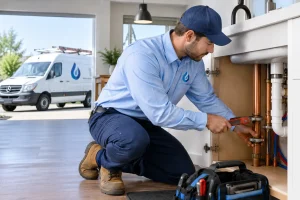
When replacing a water heater, a coordinated contractor can review the shutoffs, relief valve discharge, drain access, electrical supply, and any water-quality equipment nearby. This is especially valuable in homes with well pumps, water softeners, pressure tanks, or treatment systems sharing the mechanical room.
Backup Power Still Has a Place in an Electric Home
As more essential equipment relies on electricity, backup-power planning becomes more important. A power outage can affect heating equipment, well pumps, sump pumps, refrigeration, lighting, internet equipment, and medical devices. In rural and semi-rural properties, the loss of a well pump or sump pump can quickly become more than an inconvenience.
A generator does not necessarily need to power every circuit in the house. Many homeowners choose a properly designed essential-load setup that supports selected systems such as the furnace or heat pump controls, sump pump, well pump, refrigerator, lighting, and key outlets. Others need a larger standby arrangement to keep more of the home operating automatically during an outage.
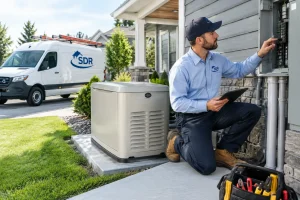
The key is to calculate what the backup system must support, then design the transfer equipment, panel connections, and fuel or power source around that need. A generator installed without a proper transfer switch is unsafe. It can create a backfeed hazard for utility workers and damage equipment. Backup power should always be designed and installed by qualified professionals with the required permits and inspections.
The Practical Order for an Electrification Project
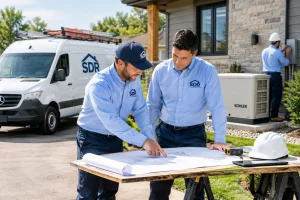
Homeowners often start by shopping for equipment. A safer and more efficient approach starts with the house itself. First, identify what is failing, what is being renovated, and what future needs are likely over the next several years. A heat pump, electric vehicle, kitchen renovation, and basement finishing project may not happen at the same time, but they can affect the same service and panel.
Next, have the electrical capacity and condition assessed alongside the heating, cooling, and plumbing requirements. This helps prevent duplicate work, such as upgrading a panel after a renovation has already made access difficult. It also helps identify necessary ductwork, drainage, ventilation, or mechanical-room changes before equipment arrives.
Finally, phase the work when that makes sense. Not every home needs a full conversion at once. Replacing a failed system, preparing the panel for a future charger, or running conduit while walls are open can all be practical steps. The goal is a plan that improves safety and comfort without forcing premature replacement of equipment that is still serving the home well.
When One Trade Is Not Enough
Electrification projects often cross trade boundaries. A heat pump may require electrical work, HVAC installation, condensate drainage, and changes to controls. A generator may involve electrical transfer equipment, mechanical placement, and coordination with loads such as a well pump or sump pump. A renovation can involve new circuits, plumbing fixtures, ventilation, heating, and backup-power decisions at the same time.
Coordinating those systems through one qualified local team reduces handoffs and helps keep the work sequenced properly. SDR Electric, Plumbing & Heating can assess the connected systems in a home, explain the options in plain language, and plan upgrades around the way the property actually operates.
If you are considering a major appliance replacement, a heat pump, an EV charger, or a renovation, start with an assessment of the systems behind the walls. A clear plan now can leave your home safer, more comfortable, and ready for the next upgrade when the time is right.