A generator is only useful when it can power the equipment that matters without creating a safety risk. A proper generator transfer switch installation gives your property a controlled way to move selected electrical loads from utility power to generator power during an outage. It also prevents generator electricity from feeding back into the utility lines, a dangerous condition that can injure utility workers, damage equipment, and create serious fire hazards.
For homeowners in Eastern Ontario, backup power planning often starts after a storm, a prolonged outage, or a failed well pump leaves the property without water. The right setup depends on more than the generator itself. Your electrical service, heating equipment, water systems, essential circuits, generator fuel source, and future renovation plans all need to be considered together.
What a Transfer Switch Does
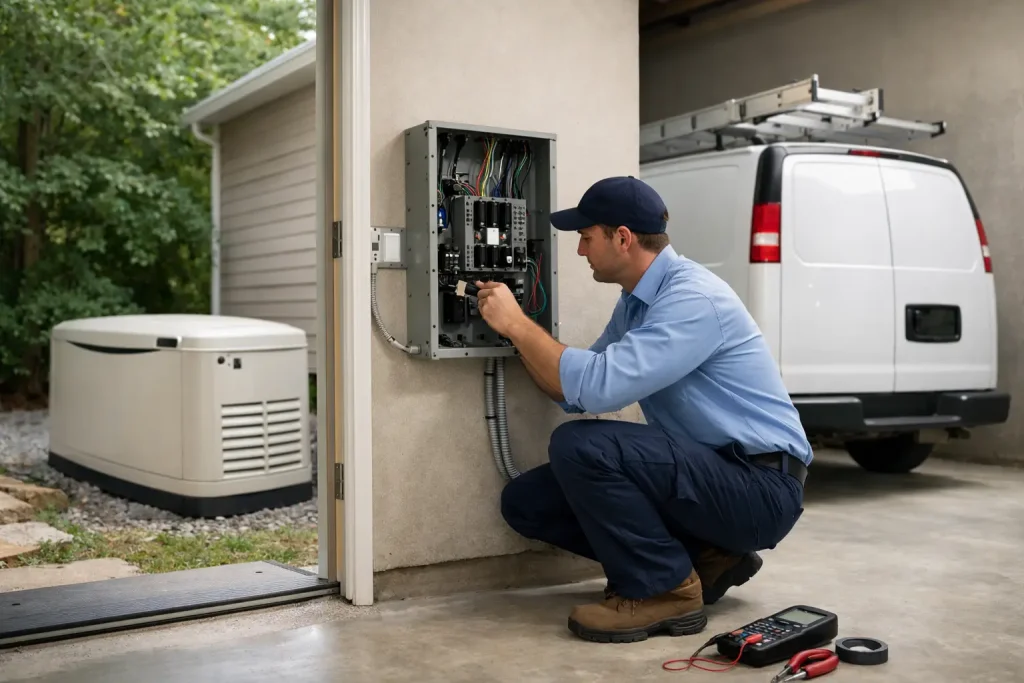
A transfer switch is the controlled connection between your electrical panel, the utility supply, and a generator. When utility power fails, it isolates the building from the utility before generator power is supplied. When normal power returns, it transfers the electrical load back safely.
That separation is the point. A generator should never be plugged into a wall outlet or connected through an improvised cord arrangement to power a home. This practice, sometimes called backfeeding, can energize wiring beyond the intended circuits and send power onto utility lines. It can also overload the electrical system because the generator is not being managed through approved transfer equipment.
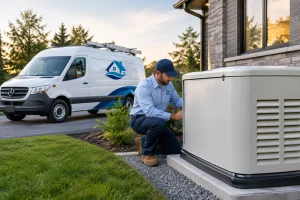
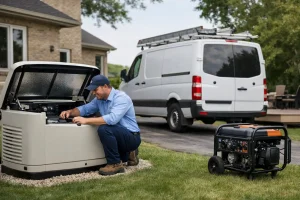
There are two common approaches. A manual transfer switch requires someone to start the generator and move the switch to generator power. It can be a practical choice for a portable generator and a defined group of essential circuits. An automatic transfer switch works with a standby generator. It detects a utility outage, starts the generator, transfers the load, and returns the property to utility power when service is restored.
The best option depends on how quickly you need power, whether anyone is regularly available to operate the system, and which building systems must remain running during an outage.
Start With the Loads That Cannot Wait
The most useful backup power plan is not always the one that powers every circuit. It is the one that supports the systems your household or building genuinely needs while staying within generator capacity.
For many homes, that may include a well pump, sump pump, refrigerator, freezer, furnace or boiler controls, selected lighting, internet equipment, security systems, and a few kitchen receptacles. If the home uses a septic pump, it may also be a priority. Properties with electric heat, electric water heating, large central air-conditioning equipment, or multiple major appliances need more detailed planning because these loads can quickly exceed the capacity of a smaller generator.
Motor-driven equipment deserves special attention. Pumps, refrigerators, and heating equipment can draw a higher amount of power when starting than they use while running. A generator that appears large enough based on running wattage may still struggle when several motors start at once. An electrician can review the actual equipment and help identify which circuits can operate together.
For commercial properties, the priorities may be different. Emergency lighting, refrigeration, communications, security, server equipment, pumps, and critical tenant operations may need backup power. In those cases, transfer switch planning should be coordinated with the building’s existing electrical distribution and operational needs.
Choosing Between Essential Circuits and Whole-Property Backup
An essential-circuit system is designed to support selected circuits during an outage. It keeps the generator size and installation scope focused on necessities. This approach is often well suited to homes where the goal is to maintain water, heat controls, food storage, and basic lighting until utility service returns.
Whole-property backup is designed to supply most or all of the building’s electrical panel. It can provide greater convenience, but it requires careful load management. A whole-property arrangement does not mean every appliance can operate at the same time without limits. Larger loads may still need to be managed through generator controls, load-shedding equipment, or household habits during an outage.
A practical design conversation should cover what happens in winter, during a heavy rain event, and when the property is vacant. A homeowner with a well and a sump pump has different priorities than someone in town with municipal water and a gas furnace. A rural property may need dependable power for water supply, livestock equipment, or a detached shop. The transfer switch should reflect those real conditions, not a generic list of circuits.
What a Professional Generator Transfer Switch Installation Involves
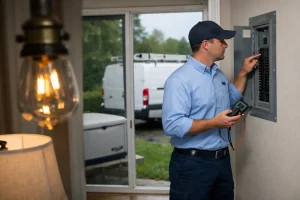
A transfer switch installation begins with an electrical assessment. The electrician reviews the service equipment, panel capacity, available space, grounding and bonding requirements, the circuits to be backed up, and the planned generator connection. This step identifies issues that may need to be corrected before transfer equipment is installed.
The equipment must be matched to the system. That includes the transfer switch rating, generator inlet or standby-generator connection, circuit configuration, and the type of service equipment already in place. Some installations use a separate emergency panel for selected loads. Others use transfer equipment installed ahead of the main panel. The right arrangement depends on the property and the equipment being protected.
Installation also involves properly routing and protecting wiring, labeling the transfer equipment and backed-up circuits, and providing an accessible generator connection where required. Outdoor placement matters. A portable generator must operate outdoors in a location that protects it from weather as much as possible while keeping exhaust safely away from doors, windows, vents, and occupied areas. It must never run in a garage, basement, enclosed porch, or other enclosed space because carbon monoxide can build up quickly.
Standby generators require additional coordination. In addition to the electrical work, the project may involve fuel supply, equipment pad preparation, clearances, ventilation considerations, and mechanical connections. This is where a coordinated electrical, plumbing, heating, and generator contractor can simplify the project by planning the interconnected work together.
Permits and inspection requirements also need to be addressed before work begins. Licensed electrical work, approved equipment, and proper inspection help protect the property, the people using it, and future serviceability.
Common Planning Mistakes to Avoid
The most common problem is buying a generator before determining the required loads. Generator ratings alone do not tell you whether the unit can start your well pump, maintain heating controls, and support other essential circuits at the same time. Load planning should come first.
Another mistake is assuming a transfer switch can be added to any panel without an assessment. Older panels, limited space, existing deficiencies, and service upgrades can affect the installation path. Addressing those conditions early avoids an installation that is undersized or difficult to expand later.
Generator placement is also frequently overlooked. A long extension-cord plan may be inconvenient and unsafe in poor weather, while a poorly located inlet connection can make generator operation harder than it needs to be. The connection point should be practical during a nighttime winter outage, not just convenient on a mild afternoon.
Finally, do not treat backup power as a set-it-and-forget-it system. Generators need regular maintenance, safe fuel management, and periodic operation according to the manufacturer’s recommendations. The transfer switch and generator should also be tested so you know the expected circuits operate correctly before an emergency occurs.
Questions to Ask Before Installing a Transfer Switch
Before moving ahead, ask whether the system will support your water supply, sump pump, heating controls, refrigeration, communications, and any medical or business-critical equipment. Consider whether you want to operate the system manually or need automatic operation when no one is home.
Also ask whether the generator is intended for short outages or extended use. A portable unit may be appropriate for occasional emergency use, while a permanently installed standby generator may better suit a property with frequent outages, vulnerable occupants, critical water systems, or a need for automatic response.
A qualified contractor should explain which circuits will be powered, what loads need to be managed, how the transfer process works, and how to test the system safely. Clear labeling and a simple operating plan are especially valuable when more than one person may need to use the equipment.
SDR Electric, Plumbing & Heating can assess the electrical and mechanical systems that affect backup power, from the transfer equipment and generator connection to the well pump, sump pump, and heating equipment that need to keep operating. The goal is a setup that is safe, understandable, and suited to the way your property actually functions.
A power outage is the wrong time to find out that a pump will not start or that the generator connection is not ready. Planning the transfer switch around your essential systems now gives you a safer, more dependable response when the lights go out.