A lightning strike is only one cause of electrical damage. The more common threat is a brief voltage spike created inside or outside the home – often so quick that you never see a light flicker. Whole home surge protection gives that excess electricity a safer path before it reaches the appliances, electronics, and equipment your household relies on.
For homeowners, this is less about protecting a single television and more about protecting the systems connected throughout the property. Furnaces, air handlers, heat pumps, well pumps, sump pumps, kitchen appliances, garage-door openers, internet equipment, and smart controls all contain increasingly sensitive electronic components. A properly selected surge protective device at the electrical panel helps reduce their exposure to damaging surges.
What Whole Home Surge Protection Does
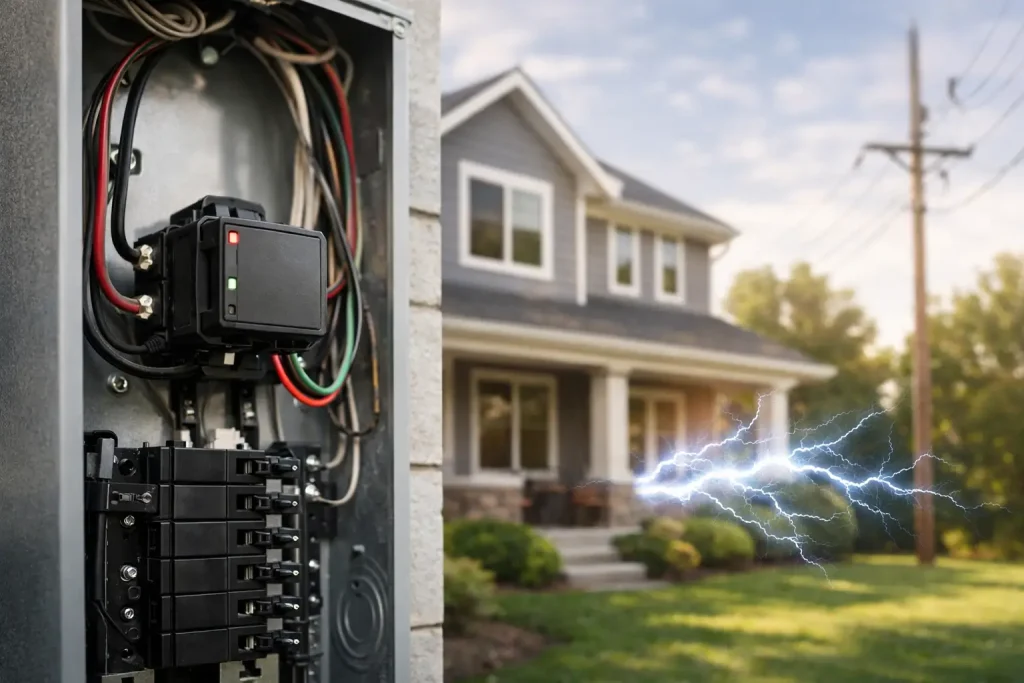
A whole-home surge protective device, often called an SPD, is installed at or near the main electrical panel by a qualified electrician. It monitors the incoming electrical supply. When voltage rises above a safe level, the device diverts much of that excess energy to the electrical grounding system rather than allowing it to travel farther through branch circuits.
It does not make a home invulnerable to every electrical event. A direct lightning strike, a major utility fault, or inadequate grounding can create conditions beyond any single device’s capability. Still, panel-level protection is a practical first line of defense against the smaller, repeated surges that can gradually shorten the life of electrical equipment.
Those smaller events can come from utility switching, nearby lightning activity, power restoration after an outage, or large equipment cycling on and off. Within the house, motors in pumps, refrigerators, air conditioners, and workshop tools can also create electrical noise and transient voltage. One event may not cause an obvious failure. Repeated exposure can weaken circuit boards and controls until a device fails earlier than expected.
It Protects the Whole Electrical System, Not Just One Outlet
Plug-in surge strips have a place, especially for computers, televisions, and networking equipment. But they only protect the devices connected to them, and their condition is easy to overlook. They also do not protect hardwired equipment such as furnaces, air handlers, heat pumps, well pumps, sump pumps, electric water heaters, or appliances connected directly to their own circuit.
A panel-mounted SPD covers a much broader portion of the home’s electrical distribution. The best approach for many properties is layered protection: a whole-home device at the panel, then quality point-of-use protection for sensitive electronics. This is particularly useful where costly equipment, home offices, entertainment systems, or smart-home controls are involved.
When a Home Is a Good Candidate for Surge Protection
Surge protection can be sensible in nearly any home, but it becomes especially worthwhile when a property has more electronic controls and motor-driven equipment. A renovated home may have a new electrical panel but older appliances, or it may have added equipment that was not part of the original electrical design. A new build may include high-efficiency heating and cooling, connected thermostats, EV charging, security equipment, and extensive kitchen appliances from day one.
Pay closer attention if your property has a well pump, sump pump, backup generator, heat pump, central air conditioning, or electrically controlled heating equipment. These systems are valuable because they support comfort, water supply, drainage, and safety. Their control boards can also be more sensitive than the mechanical equipment homeowners remember from decades ago.
Rural and semi-rural properties may face additional considerations. Long utility runs, overhead service lines, storm exposure, and frequent outage restoration can all affect electrical conditions. That does not automatically mean a problem exists, but it does make a professional review worthwhile when planning electrical upgrades.
Signs that deserve an electrician’s attention include electronics that fail unusually often, flickering lights when equipment starts, breakers that trip repeatedly, scorching or heat around panel components, or a panel that is outdated or crowded. A surge protective device is not a repair for these issues. The underlying fault must be identified and corrected first.
Proper Installation Depends on the Panel and Grounding
The device itself is only part of the solution. Its location, connection method, panel capacity, wiring length, and grounding all affect performance. In general, the connection between the SPD and panel should be as direct and short as practical. Longer conductor paths can reduce how effectively a device responds to a surge.
An electrician should also inspect the panel for safe working condition, available space, proper bonding, and grounding integrity. Grounding is not just a technical detail. It gives fault current and diverted surge energy a route back to ground, helping protective devices do their job as intended.
Older homes can require more planning. Some have panels that are full, aging equipment that should be assessed before new devices are added, or grounding arrangements that need improvement. In these cases, surge protection may be part of a broader electrical upgrade rather than a standalone installation. That planning helps avoid adding new equipment to a system that needs attention first.
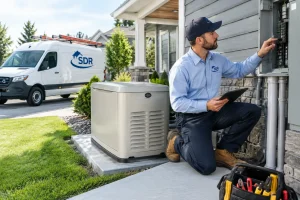
Generator-equipped homes also deserve coordinated work. Transfer equipment, generator connections, panel configuration, and surge protection should be reviewed together so the electrical system remains safe during normal utility operation and backup-power use. This is one reason an integrated electrical assessment can be helpful when a property has several essential systems.
What Surge Protection Will Not Fix
Whole home surge protection is valuable, but it is not a substitute for electrical maintenance or safe installation practices. It will not fix a loose neutral, an overloaded circuit, damaged wiring, an aging breaker, poor grounding, or water intrusion in electrical equipment. It cannot correct voltage problems caused by a service issue or make unsafe electrical modifications acceptable.
It also cannot guarantee that every connected device will survive every event. Surge protection reduces risk; it does not eliminate it. For critical electronics, a layered setup remains the better choice. Use properly rated outlet-level protection where needed, and replace it when its indicator shows it is no longer providing protection.
Homeowners should not open an electrical panel to install or inspect a surge device. Panel work exposes live components even when a main breaker is off, and installation must match the equipment and applicable electrical requirements. A licensed electrician can select a compatible device, install it correctly, and verify that the panel and grounding system support it.
Common Questions About Whole Home Surge Protection
Does a whole-home surge protector need replacement?
Yes. Surge protective devices absorb or redirect energy over time, and their protective components can wear out after repeated events. Many units have visual status indicators, but an electrician should check the device during electrical service or after a major surge event. If the status indicator shows a fault or loss of protection, it should be addressed promptly.
Is it useful if I already use power bars with surge protection?
Yes. Outlet-level strips protect selected plug-in electronics, while a panel-mounted device protects a wider range of circuits and hardwired equipment. They work best together rather than as replacements for one another.
Should surge protection be added during a panel upgrade or renovation?
That is often an efficient time to do it. When electrical work is already planned, the electrician can review panel capacity, grounding, new circuits, heating and cooling equipment, pumps, and generator connections as one coordinated system. It also helps ensure protection is considered before sensitive new equipment is energized.
For homeowners in Brockville, Leeds and Grenville, and nearby communities, SDR Electric, Plumbing & Heating Inc. can assess the electrical panel, grounding, and connected equipment before recommending the right path forward. The goal is not to add a device blindly. It is to make sure the protection fits the property and supports the systems that matter most when weather, utility interruptions, and everyday electrical demands put them to work.
A good time to ask about surge protection is before the next major upgrade, not after a failed control board or pump leaves you dealing with an unexpected interruption. A qualified electrical review can turn a small preventive step into better protection for the equipment that keeps your home running.