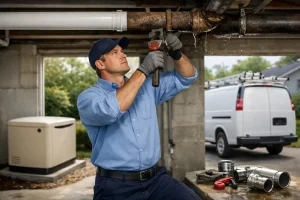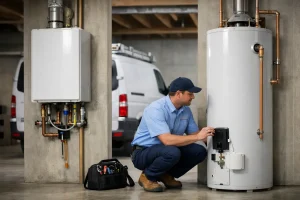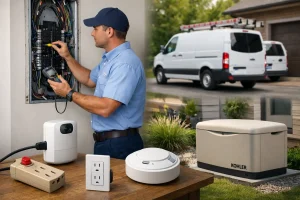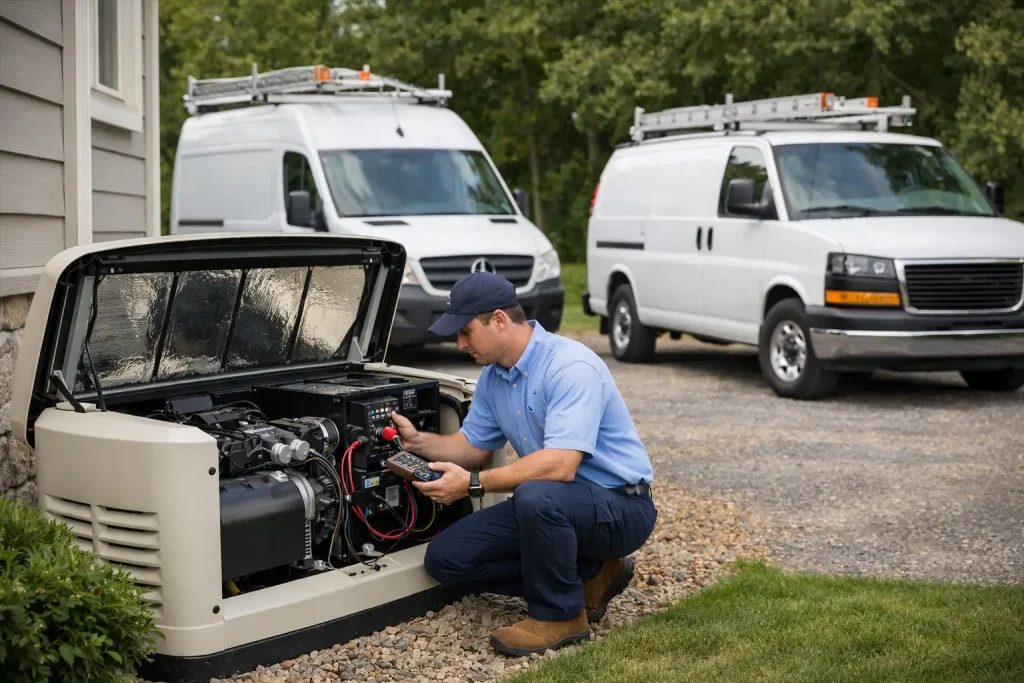
A generator sitting quietly in the garage or beside the home can create a false sense of security. Test generator readiness before the first storm, not after the power has gone out and your sump pump, well pump, heating equipment, or refrigerator needs support. A short, planned test can reveal a weak battery, stale fuel, a transfer problem, or an overloaded backup-power plan while there is still time to correct it safely.
For homes and properties across Eastern Ontario, backup power is often about more than convenience. It can protect a basement from water damage, keep a private water system operating, support essential heating equipment, and help a business or rental property maintain critical operations. The right readiness routine depends on whether you have a portable generator or a permanently installed standby generator, as well as which circuits the system is designed to power.
Why Test Generator Readiness Matters
Generators do not improve with inactivity. Batteries lose charge, fuel degrades, connections corrode, and small mechanical issues can remain hidden until the unit is asked to carry a real load. Starting a generator once without checking what it can actually power is not a complete test.
A useful readiness check confirms three things: the generator starts reliably, it transfers power safely to the intended circuits, and it can carry the expected load without struggling. That distinction matters. A generator may run normally with no demand but falter when a well pump starts, a furnace blower comes on, or a sump pump cycles.
For a standby unit, the automatic transfer switch is a central part of the system. It detects the utility interruption, starts the generator, and moves selected circuits to backup power. If any part of that sequence fails, the generator itself may be perfectly functional while the home still loses power where it matters.
Portable generators need an equally deliberate plan. The generator, extension cords, inlet connection, manual transfer equipment, fuel supply, and chosen appliances all need to work together. Improvising during an outage is where unsafe connections and damaged equipment become more likely.
Build a Practical Testing Routine
Most generator manufacturers recommend regular exercise, often monthly, but follow the instructions for your specific model. A scheduled test is easier to remember when it is tied to a simple routine, such as the first weekend of each month. Standby generators may exercise automatically, but owners should still occasionally verify that the exercise cycle is completing and that no warning indicators are active.
Before starting any unit, inspect the area around it. Remove leaves, snow buildup, stored items, and anything that could restrict airflow or create a fire concern. Look for visible damage, loose wiring, fluid leaks, rodent activity, or signs that the exhaust path is blocked. Outdoor standby equipment needs clear space around it, especially after heavy snow or wind.
Check the battery condition and terminals. A weak starting battery is one of the most common reasons a generator fails during an outage. If the battery terminals show corrosion or the unit has struggled to start during a previous test, arrange service rather than assuming it will correct itself.
Fuel needs attention as well. Natural gas and propane systems should have their supply equipment checked as part of normal maintenance. Portable gasoline generators require greater fuel planning because gasoline deteriorates over time. Use fresh, properly stored fuel in approved containers and follow the manufacturer’s guidance for fuel stabilizer and storage intervals. Never keep fuel near ignition sources or inside living spaces.
Once the basic inspection is complete, run the generator according to its operating instructions. Listen for unusual noises, hunting or surging engine speed, repeated starting attempts, exhaust leaks, or warning lights. These are not details to ignore. A generator that sounds different during a test deserves attention before it is needed in poor weather.
Test Under a Controlled Load
A no-load run is better than no test at all, but it does not confirm how the system will perform when the property needs it. A controlled load test checks whether the generator can support the circuits or equipment included in your backup plan.
For a standby system, this may mean testing the transfer sequence and allowing the designated loads to operate briefly. For a portable setup, test the specific appliances or circuits you expect to use, following the capacity limits of the generator and transfer equipment. Do not simply plug in every appliance that seems important. High-demand equipment can overload a generator, especially when motors start.
Common essential loads may include a sump pump, well pump, refrigerator, selected lighting, internet equipment, and certain heating components. But the right list varies by home. A property with a well and septic system has different priorities than a townhome with municipal water. A home using electric heat, electric water heating, or a large central air-conditioning system may require a much larger backup-power design than a system intended only for basic essentials.
Avoid running several motor-driven loads at the same moment when possible. Pumps, compressors, and blowers can require significantly more power at startup than while running. A qualified electrical professional can assess the required running and starting loads and help identify which circuits should be placed on a transfer switch or backup panel.
Know the Safety Limits of Your Setup
Generator testing must never involve backfeeding power into a home through a dryer outlet, an ordinary receptacle, or any other improvised connection. This can energize utility lines, put utility workers at risk, damage equipment, and create serious fire hazards. A properly installed transfer switch or approved generator inlet is the safe way to connect backup power to building circuits.
Portable generators must operate outdoors, well away from doors, windows, vents, and attached garages. Carbon monoxide is odorless and can enter a building quickly. Never run a portable generator in a garage, shed, basement, or enclosed porch, even if doors or windows are open. Confirm that working carbon monoxide alarms are installed in appropriate areas of the home before outage season arrives.
It is also important to keep electrical panels closed and avoid making wiring changes without qualified help. Generator equipment connects to high-voltage electrical systems, and a mistake can be dangerous even when utility power is off. If your testing raises questions about transfer operation, circuit selection, grounding, or capacity, stop and have the system assessed.
Match Your Generator to Real Property Needs
A readiness test can expose a problem that is not mechanical: the generator may simply not be sized or configured for the way the property is now used. Renovations, a new well pump, added heating equipment, finished basements, home offices, and changes to a business space can all alter electrical demand.
This is particularly relevant when electrical, plumbing, and heating systems overlap. For example, protecting a sump pump is only useful if the generator can start and run it reliably. Keeping a furnace operating may require power for controls, a blower motor, and potentially other equipment. A well-water home may need power for the pump and pressure system before fixtures can provide water.
A professional review can look at the whole picture rather than treating the generator as an isolated appliance. That includes the generator, fuel source, transfer equipment, electrical distribution, and the essential mechanical systems you want protected. For new installations or significant upgrades, planning these components together helps prevent costly changes later.
When to Arrange Generator Service
Call for service if the generator fails to start promptly, displays a fault code, has a battery warning, leaks fluid, produces abnormal smoke, or cannot carry expected loads. Service is also appropriate when the transfer switch does not operate as expected, the unit has been unused for a long period, or construction work may have affected wiring, gas piping, or the generator location.
Annual maintenance is a sensible baseline for many standby systems, although the manufacturer’s schedule should lead the decision. Service commonly includes inspection, oil and filter work where required, battery testing, fuel-system checks, and operational testing. Portable generators also need scheduled maintenance based on run hours and storage conditions.
SDR Electric, Plumbing & Heating can help homeowners and property owners assess generator performance alongside the electrical, heating, water, and pump systems that backup power is meant to protect. That coordinated approach is useful when an outage plan involves more than lights and a refrigerator.
The best time to learn what your generator can do is on a clear day, with a planned test and a safe load. Put the routine on the calendar, keep the fuel and access area in order, and address small warnings before they become an outage-night emergency.