A house can feel perfectly normal on a quiet weekday, then show its weak points the moment extra people arrive, the oven runs for hours, and temperatures drop overnight. These simple home comfort checks for Christmas Day help you catch small concerns before they turn into a cold room, a plumbing backup, a tripped breaker, or a frustrating loss of water when your household is busiest.
You do not need to take apart equipment or attempt repairs to complete this walkthrough. The goal is to notice warning signs early, use your systems safely, and know when a qualified technician should take over.
Start With Heat, Airflow, and Thermostat Settings
A comfortable Christmas Day starts with reliable heat. Walk through the rooms your family and guests will use, particularly bedrooms, bathrooms, finished basements, and rooms over a garage. If one area feels noticeably colder than the rest of the home, make a note of it.
First, check that furniture, curtains, gift bags, or decorations are not blocking supply vents or return-air grilles. A blocked vent can reduce airflow and make a furnace or heat pump work harder than necessary. Keep clear space around baseboard heaters as well. Never place wrapping paper, blankets, furniture, or holiday décor against an electric baseboard heater.
Look at your thermostat before the holiday rush. Confirm the temperature setting is appropriate, the system is responding normally, and the fan is not running continuously when it should be in automatic mode. If the thermostat display is blank, replace the batteries if applicable. If the heating system cycles repeatedly, blows cool air, makes new noises, or cannot maintain the set temperature, arrange service rather than hoping it gets through the weekend.
A dirty furnace filter can also restrict airflow. If your filter is visibly loaded with dust or you cannot remember when it was changed, replacing it before hosting is a practical step. Use the filter type and size specified for your equipment. An overly restrictive filter is not automatically better for every system.
Keep Outdoor Equipment Clear
For homes with a heat pump, check the outdoor unit after snow or freezing rain. It needs clear space for air to move around it. Carefully remove loose snow and debris from the surrounding area, but do not chip ice from coils or force open frozen components. If the unit is heavily iced, making unusual sounds, or not heating properly, it needs professional attention.
If you use propane, oil, or another delivered fuel, confirm you have an adequate supply before holiday closures and severe weather. Keep access to fuel fill points clear of snow.
Check Water Where Holiday Demand Is Highest
Extra showers, cooking, dishwashing, and laundry can expose plumbing issues that a smaller household does not notice. Begin in the kitchen and bathrooms. Run hot and cold water at each frequently used faucet for a minute or two. Watch for slow drainage, weak pressure, leaks under the sink, or water that takes far longer than usual to get warm.
A slow drain may seem minor, but it can become a disruption when several people are using the same bathroom. Avoid aggressive chemical drain cleaners, especially if you have older plumbing or a suspected blockage. They can damage components, create a hazard for anyone working on the drain later, and rarely solve the underlying problem.
Check around toilet bases and supply lines for moisture. A toilet that runs intermittently, rocks at the base, flushes weakly, or backs up should not be ignored before guests arrive. Make sure everyone in the home knows where the main water shutoff is located. In many homes, it is near the water meter, pressure tank, or where the main line enters the building. The shutoff should be accessible, not buried behind storage.
For properties served by a well, pay attention to changes in water pressure or pump cycling. Rapid cycling, low pressure, air sputtering from faucets, or a sudden loss of water may point to an issue with the well pump, pressure tank, switch, or related electrical equipment. These systems are connected, so a plumbing concern can sometimes involve electrical diagnosis as well.
Give the Water Heater a Quick Look
You are not looking for a full maintenance project on Christmas morning. A simple visual check is enough. Look around the water heater for puddles, corrosion, dripping connections, or signs of leakage at the temperature and pressure relief valve discharge pipe. Make sure the area around the unit is clear of stored items and flammable materials.
If your household will have several additional guests, manage expectations around hot water use. Staggering showers can be more effective than turning up the water heater temperature, which raises scalding risk. Water that is suddenly discolored, has an unusual odor, or does not heat consistently deserves a professional inspection.
Make Electrical Safety Part of the Holiday Setup
Christmas lights, countertop appliances, slow cookers, coffee makers, space heaters, and device chargers can put more demand on circuits than usual. Before guests arrive, look over extension cords and power strips. Replace anything with cracked insulation, loose plugs, scorch marks, or damaged outlets.
Use indoor-rated lights and cords inside, and outdoor-rated equipment outside. Do not run cords under rugs, through doorways where they can be pinched, or across busy walking paths. Extension cords are intended for temporary use, not permanent wiring. If you routinely need more outlets in a room, an electrical upgrade is safer than relying on a chain of power strips.
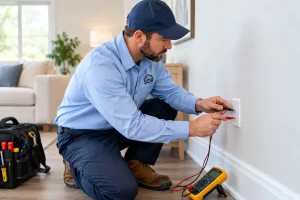
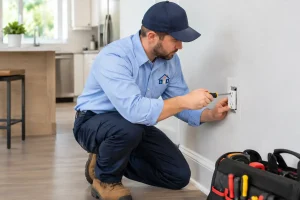
Test ground-fault circuit interrupter outlets using the test and reset buttons where present, particularly in kitchens, bathrooms, garages, and outdoor areas. A GFCI outlet that will not reset may indicate a downstream issue, moisture exposure, or a wiring concern. Do not bypass it.
If a breaker trips, unplug or turn off the devices on that circuit before resetting it once. A breaker that trips again is doing its job by responding to an overload or fault. Repeatedly resetting it can create a safety risk. Call for electrical service if the cause is not obvious, if an outlet is warm, if you smell burning, or if lights flicker when major appliances start.
Do Not Treat Space Heaters as a Whole-Home Solution
Space heaters can help warm a drafty room for a short period, but they require close attention. Plug a space heater directly into a wall outlet, keep it at least three feet from bedding, curtains, furniture, wrapping paper, and other combustibles, and turn it off when leaving the room or going to sleep.
If you find yourself relying on space heaters to make regular living areas usable, that is a sign to investigate the heating system, insulation, airflow, or electrical capacity. A temporary heater has a place, but it is not a substitute for correcting a persistent comfort problem.
Confirm Your Alarms and Emergency Readiness
Cooking, fireplaces, candles, and heating equipment increase the importance of working smoke and carbon monoxide alarms. Test each alarm using its test button, following the manufacturer instructions. Replace batteries where needed, and replace an alarm that is past its service life or does not respond to testing.
Keep a clear path to exits, especially if coats, boots, packages, and holiday decorations tend to gather near entryways. If you have a fireplace or wood stove, use only dry, appropriate fuel and make sure the chimney and venting system have been properly maintained. Never use an oven or stove to heat the home.
For homeowners with a standby generator, check that the area around the generator is clear and that its status indicator shows normal operation. Do not test or service a generator if you are unfamiliar with the equipment. Portable generators must always operate outdoors, well away from doors, windows, and vents. Carbon monoxide exposure can happen quickly and without warning.
A Practical Plan if Something Goes Wrong
The best holiday preparation is knowing what to do without panic. Keep the main water shutoff accessible. Know which electrical panel controls your home, and ensure its path is clear. Keep flashlights with fresh batteries available instead of relying only on phone lights. If severe weather is expected, charge essential devices ahead of time.
Some issues should not wait: no heat during cold weather, no water from a well system, sewage backup, an active plumbing leak, burning smells, sparking, repeated breaker trips, or a carbon monoxide alarm. Shut off the affected system when it is safe to do so, protect people and property, and contact a qualified emergency service provider.
For homeowners across Leeds & Grenville, a quick pre-holiday walkthrough can prevent a small system concern from becoming the center of the day. If you find something that does not look, sound, or operate normally, SDR Electric, Plumbing & Heating can help identify the cause and provide a safe, practical next step – leaving you free to focus on the people gathered in your home.