A panel that trips when the microwave, space heater, and laundry equipment run at once is doing more than creating an inconvenience. It may be telling you that your home has outgrown its electrical capacity. The best electrical panel upgrades solve that problem safely by matching the service, panel, breakers, and wiring to how the property is actually used.
For homeowners, the right upgrade is rarely just a larger box on the wall. It is a planned improvement that can support a renovation, electric vehicle charging, new heating and cooling equipment, a generator, or the everyday load of a modern household. For commercial properties and rental buildings, panel work can also improve reliability, support tenant improvements, and make future changes easier to manage.
When an Electrical Panel Upgrade Makes Sense
Electrical panels are designed to distribute power and protect wiring from overloads. They are not intended to be ignored indefinitely, especially as a property gains more electrical equipment. Older homes may have limited service capacity, outdated panel components, crowded breaker spaces, or previous additions that were installed without a long-term electrical plan.
Frequent breaker trips are a common warning sign, but they are not the only one. Warm breakers or panel covers, buzzing sounds, flickering lights when larger appliances start, corrosion, visible damage, and a burning odor all call for prompt professional assessment. Never keep resetting a breaker that trips repeatedly. A breaker is designed to interrupt power when it detects a problem, and repeated tripping can point to an overloaded circuit, a damaged appliance, or a wiring fault.
An upgrade may also be appropriate when the panel appears to work normally. Adding an induction range, heat pump, electric water heater, workshop equipment, hot tub, or EV charger can change the load calculation for the entire property. A licensed electrician can assess the existing service and determine whether there is sufficient capacity for the planned equipment.
Best Electrical Panel Upgrades for Common Property Needs
The best choice depends on the building, its current electrical system, and what you want it to support. A site assessment is more useful than choosing a panel size based on a neighbor’s project or a general online recommendation.
Service capacity upgrade
A service capacity upgrade increases the amount of electricity available to the property. This may involve changes beyond the indoor panel, including the meter equipment, service entrance conductors, grounding, and coordination with the utility where required.
This option is often considered for older homes that were built for a much smaller electrical load. It can also make sense for major renovations, additions, all-electric heating plans, or homes preparing for multiple high-demand loads. More capacity is not automatically better, however. The equipment should be selected from a proper load calculation and designed for the building’s expected use.
Panel replacement with additional breaker space
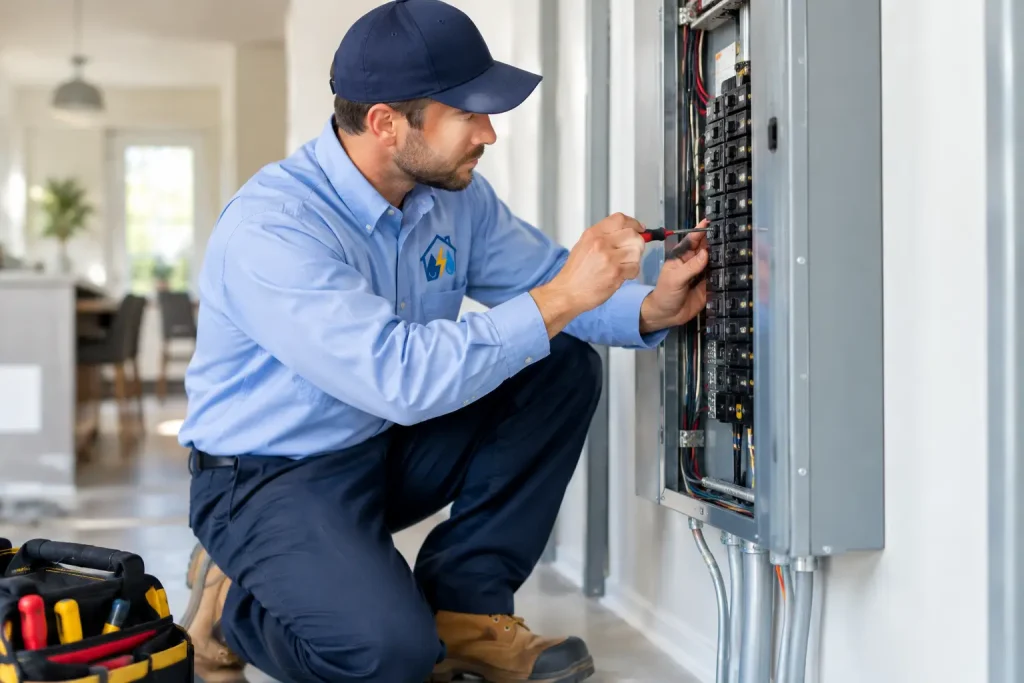
Sometimes the service has adequate capacity, but the existing panel is full, damaged, obsolete, or poorly organized. Replacing it with a modern panel that has room for additional circuits can improve safety and make future work much simpler.
Extra space matters. A crowded panel often leads to complicated additions later, while a panel with planned capacity can accommodate a basement finish, kitchen update, garage circuit, or new mechanical equipment without forcing avoidable compromises. Clear circuit labeling is part of the value as well. In an emergency, occupants should be able to identify the circuit they need to shut off.
Subpanel installation
A subpanel can be a practical solution when a garage, workshop, addition, detached building, or commercial area needs several new circuits. It does not create extra service capacity on its own. Instead, it distributes power from the main service to a location where it is needed.
This can reduce long circuit runs and keep a project organized. For example, a garage conversion may need lighting, receptacles, a door opener, an EV charger, and dedicated equipment circuits. A properly designed subpanel gives that space a clear electrical distribution point while the electrician verifies that the main service can carry the added demand.
Safety-focused breaker upgrades
Modern protective devices can provide better protection from electrical faults than older equipment. Depending on the circuit, the property type, and applicable code requirements, an electrician may recommend ground-fault or arc-fault protection. These devices are intended to reduce risks associated with shock hazards and certain wiring faults.
This type of work is especially relevant during kitchen, bathroom, laundry, basement, and bedroom renovations, where circuits may need to meet current safety requirements. The goal is not to add devices unnecessarily. It is to use the right protection where it is required and where it improves the safety of the installation.
Generator-ready electrical upgrades
Backup power needs careful planning. A generator connection is not simply an outlet added beside the panel. It requires approved transfer equipment that keeps generator power separated from utility power and protects utility workers, occupants, and equipment.
A generator-ready panel upgrade may include a transfer switch, an interlock arrangement where permitted, or an automatic transfer system. The right setup depends on whether you want to power selected essential circuits or more of the property. A professional design can prioritize practical loads such as a well pump, sump pump, refrigeration, heating controls, select lighting, and internet equipment during an outage.
Plan Around the Equipment You Want to Add
The strongest electrical upgrade plans begin with a realistic picture of the next several years. If you are renovating a kitchen, installing a heat pump, considering an EV, or planning a backup generator, raise those goals before panel work begins. Installing equipment one project at a time without reviewing the overall electrical load can lead to unnecessary disruption later.
This is particularly useful in Eastern Ontario homes that depend on well pumps, sump pumps, electric heating equipment, or backup power during severe weather. These systems are connected in practical ways. A generator plan affects the panel. A heat pump may affect service capacity. A finished basement can require new circuits and safety protection. Coordinating the scope early helps prevent one upgrade from creating a limitation for the next.
For commercial spaces, planning should also consider tenant equipment, future fit-outs, point-of-sale systems, refrigeration, lighting, and mechanical loads. A panel that is sufficient for one occupant may not be suitable for another. Clear labeling, available circuit space, and documented electrical work help property owners manage those changes responsibly.
What a Safe Panel Upgrade Should Include
A panel upgrade is safety work, not a cosmetic replacement. The installation should be evaluated as a complete electrical system, including the service equipment, grounding and bonding, conductor condition, panel location, circuit protection, and capacity for the connected load.
Permits and inspections may be required depending on the scope and local authority. A qualified electrician can explain what applies to your project, complete the work to applicable requirements, and coordinate the necessary steps. This is especially important when work involves a service upgrade, generator connection, renovation, or a detached structure.
Avoid covering a panel with shelving, storage, or finished walls that make it difficult to access. Keep the area dry, well lit, and clear. Even a new panel needs a homeowner or property manager who can reach it quickly if a circuit must be shut off.
Choosing the Right Scope Without Overbuilding
Not every property with an older panel needs a full service upgrade. If the concern is limited breaker space, a replacement panel or subpanel may be the better fit. If the home is adding substantial electric loads, the service capacity may need to be addressed first. If breakers are tripping, troubleshooting the affected circuit may reveal an appliance or wiring issue rather than a panel problem.
That distinction matters because the safest recommendation is based on inspection, load calculations, and your actual plans for the property. SDR Electric, Plumbing & Heating can assess how electrical work connects with heating, plumbing equipment, generator needs, and renovation goals so the project is organized around the whole property rather than one isolated component.
If your panel is showing warning signs or your plans are asking more of the electrical system, arrange an assessment before the next project begins. A clear plan now can give your home or building safer, more dependable power when you need it most.