A toilet that keeps running can waste a surprising amount of water. A damp spot beneath the kitchen sink can turn into cabinet damage before it becomes an obvious leak. And when a well pump stops, the problem is not merely inconvenient – it can stop water service throughout the house. When you need a plumber in Spencerville, the most useful first step is knowing whether the issue needs immediate attention, a focused repair, or a planned upgrade.
For homeowners, landlords, and property managers, plumbing decisions are rarely just about a single pipe or fixture. Water supply, drainage, pumps, water treatment, electrical connections, and heating equipment can all affect one another. A qualified local team can identify the actual cause of the problem and help prevent a quick repair from becoming a repeat service call.
When a Plumbing Problem Needs Fast Attention
Some plumbing issues can wait for a scheduled appointment. Others should be addressed right away to protect the property and the people in it. Active water leaks, sewage backups, no water from a private well, a failed sump pump during wet weather, and a burst or frozen pipe are all situations where delay can increase damage.
If water is actively flowing where it should not, shut off the nearest fixture valve if possible. For a larger leak, use the main water shutoff. Every homeowner should know where this valve is located before an emergency occurs. It is often near the water meter, pressure tank, or where the main service enters the building.
A drain backup requires a different response. Avoid running water into the affected drain, and do not use chemical drain cleaners as a first reaction. These products may not clear the blockage, can damage certain piping, and create a safety issue for anyone working on the drain later. A proper assessment can determine whether the issue is a localized fixture blockage, a main drain concern, or a problem connected to the septic system.
Common Calls for a Plumber in Spencerville
Many plumbing calls begin with a symptom that seems small: low pressure at one faucet, a noisy toilet, a slow drain, or water that does not look or smell right. The source may be simple, but guessing can lead to unnecessary replacement or missed damage.
Leaks, Drips, and Hidden Water Damage
A dripping faucet may need a cartridge, seal, or other internal repair. A leak under a sink may come from a loose connection, worn supply line, drain seal, or failing shutoff valve. The visible water does not always identify the source, especially when moisture travels along pipes, cabinets, or framing.
Watch for peeling finishes, soft flooring, musty odors, stained ceilings, or an unexplained increase in water use. These signs can point to a concealed leak. Catching it early helps limit damage to drywall, flooring, insulation, and structural materials.
Low Water Pressure and No Water
Low pressure in one fixture may be caused by a clogged aerator, a restricted faucet cartridge, or a partly closed valve. Low pressure throughout the home calls for a broader look at the plumbing system. On properties with private wells, the pressure tank, pressure switch, pump, filtration equipment, or piping may be involved.
No water is more urgent. Start by checking whether the issue affects every fixture and whether electrical power has been interrupted. Do not repeatedly reset breakers or force equipment to run. Well pump systems combine water and electrical components, so diagnosis should consider both safely and methodically.
Sump Pumps and Drainage Protection
A sump pump only gets attention when it fails, usually at the worst possible time. Test the system periodically by confirming that the float activates the pump and that water discharges away from the foundation. The discharge line must remain clear, and the check valve must operate correctly.
A sump pump replacement is also a good time to consider backup protection. The right setup depends on the property, the expected water load, available backup power, and whether the home has experienced previous flooding. A reliable plan is more than selecting a pump – it includes discharge routing, power considerations, and maintenance access.
Water Quality Is a Plumbing System Issue
Hard water, staining, unpleasant taste, sulfur-like odors, and sediment are common concerns for homes on private water supplies. These are not always solved by installing the first treatment device available. Water treatment should match the actual condition of the water and the needs of the household.
A water softener may help with hardness that leaves scale on fixtures and appliances. Filtration may address sediment or specific contaminants. Other equipment may be needed for iron, odor, or other water-quality concerns. The plumbing layout matters too. Treatment equipment needs appropriate connections, bypass valves, drainage, and access for service.
When water treatment, well equipment, and plumbing are looked at together, homeowners receive a clearer answer than they would from treating each symptom separately. This is especially useful when water pressure changes after treatment equipment is installed or when existing equipment is no longer keeping up with household demand.
Plan Plumbing Upgrades Before a Renovation Starts
Renovations often expose plumbing that has been working quietly for decades. Moving a kitchen sink, adding a basement bathroom, replacing a tub with a shower, or installing new laundry equipment may require changes behind walls and below floors. Those changes are easier to plan before finishes are installed.
A good plumbing plan considers fixture locations, drain slopes, venting, water supply sizing, shutoff access, and future maintenance. It should also account for the equipment that supports the room. A new bathroom may affect electrical needs for lighting and exhaust fans. A finished basement may need sump pump protection, heating adjustments, and careful coordination around existing mechanical systems.
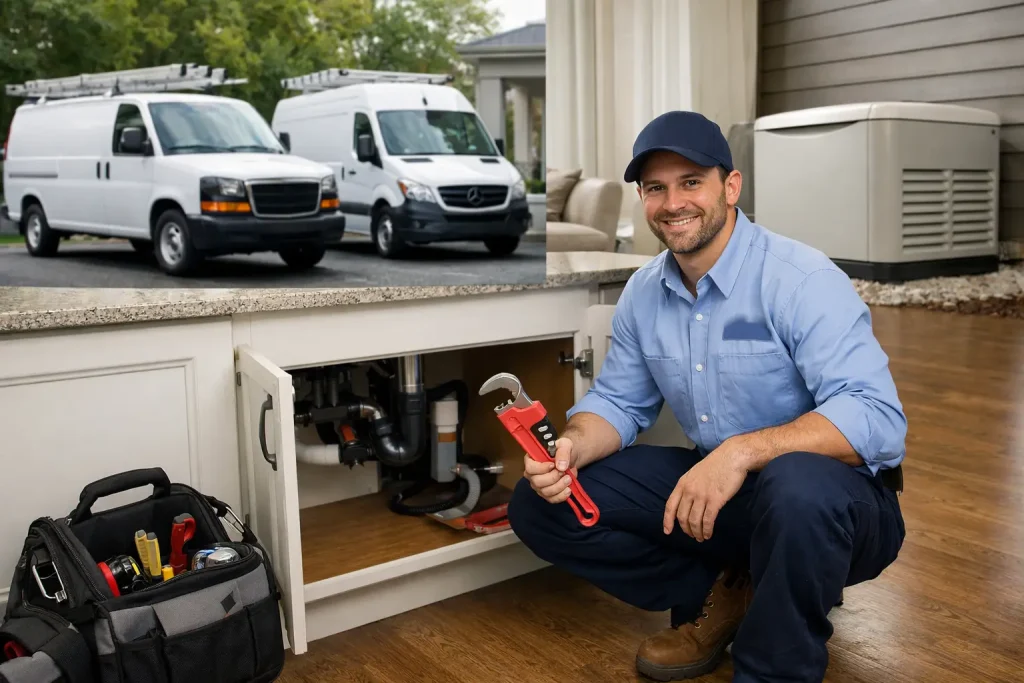
This is where a multi-trade contractor can reduce complications. SDR Electric, Plumbing & Heating Inc. can coordinate plumbing work with electrical, heating, cooling, generator, and mechanical requirements, helping keep the project organized instead of leaving property owners to manage disconnected scopes of work.
What to Expect From a Professional Service Visit
A dependable service visit should begin with questions about what you are seeing, when it started, and what has changed around the property. That information helps narrow the diagnosis. For example, a slow drain that developed gradually is different from a backup that began after a heavy rain, and a pressure loss after a power outage points in a different direction than a fixture-specific issue.
The technician should inspect the relevant equipment, explain the likely cause in plain language, and outline practical repair or replacement options. In some cases, a small repair is the sensible answer. In others, repeated failures, deteriorated piping, poor access, or an aging pump may make a planned replacement the more dependable long-term choice.
Clear communication matters just as much on commercial properties and rental units. Property owners need to know what is affecting operations, whether there is a safety concern, and what work is needed to return the building to normal use. Coordinated service becomes especially valuable when plumbing work overlaps with electrical equipment, heating systems, or backup power needs.
Simple Steps That Help Prevent Plumbing Emergencies
Most emergencies cannot be predicted, but routine attention can reduce risk. Check exposed plumbing under sinks and around water-using appliances for moisture. Test sump pumps before wet seasons. Keep drains clear of grease, wipes, and materials that do not belong in the plumbing system. If your property has a well, pressure tank, water treatment equipment, or a septic system, arrange maintenance before performance declines.
During cold weather, protect plumbing in unheated or vulnerable areas. Disconnect and drain outdoor hoses when appropriate, keep indoor temperatures stable, and address drafts near plumbing lines. If a pipe freezes, avoid using open flames or unsafe heating methods. A damaged pipe can leak once it thaws, even if water service appears normal at first.
The right time to call is often before the issue becomes urgent. Whether you are dealing with a recurring leak, unreliable water pressure, a sump pump that is nearing the end of its service life, or plumbing changes for a renovation, a careful assessment gives you a safer path forward and fewer surprises when your home needs to perform.