A heat pump should make a home more comfortable without creating new worries about winter performance, electrical capacity, or a crowded mechanical room. For heat pump installation Kemptville homeowners can depend on, the work needs to start with the house itself: how it is built, how it is currently heated, where equipment can be located, and what the electrical system can safely support.
A properly planned system can provide efficient heating through much of the year and dependable cooling in summer. But heat pumps are not one-size-fits-all equipment. A unit that is too large, too small, poorly located, or connected without proper electrical planning can leave a homeowner with uneven temperatures, unnecessary cycling, or a system that does not perform as expected during a cold Eastern Ontario winter.
Start With the Home, Not the Equipment
The first question is not which heat pump model to install. It is how much heating and cooling the home actually needs. That answer depends on square footage, insulation levels, window quality, air leakage, ceiling height, sun exposure, and the layout of the rooms people use every day.
An older home in Kemptville may have additions, finished basements, or rooms that never seem to match the temperature of the rest of the house. A newer home may be tightly built but have different comfort needs between upper and lower floors. These details affect equipment sizing, air distribution, and whether a central ducted system, ductless heads, or a combination of both makes the most sense.
Sizing by rule of thumb can create problems. An oversized heat pump may turn on and off too often, reducing comfort and putting unnecessary strain on components. An undersized system may struggle to maintain the desired indoor temperature during the coldest stretches of winter. A qualified assessment gives the installation team the information needed to recommend a practical system for the property rather than simply replacing old equipment with something similar.
Ducted, Ductless, or a Hybrid Approach
Homes with usable ductwork may be good candidates for a central ducted heat pump. This approach can heat and cool the home through existing vents, although duct condition and layout should be reviewed first. Leaky, undersized, or poorly balanced ducts can limit the benefit of new equipment.
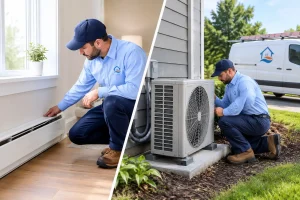
Ductless systems are often a strong option for additions, garages, older homes without central ducts, and rooms with persistent comfort issues. Indoor heads can deliver targeted heating and cooling where it is needed. Their placement matters, though. A head installed where airflow is blocked by furniture, walls, or an awkward room layout will not perform as well as it should.
Some properties benefit from a hybrid arrangement. A heat pump can handle regular heating and cooling while another heat source provides supplemental or backup heat when outdoor conditions demand it. The right approach depends on the home, the existing equipment, and the owner’s long-term plans.
What a Heat Pump Installation in Kemptville Requires
A heat pump installation involves more than mounting indoor and outdoor equipment. It connects HVAC, electrical, drainage, and sometimes existing heating systems. Good planning keeps these pieces organized before work begins.
Electrical Capacity and Safe Connections
A heat pump needs a dedicated electrical connection sized for the equipment. Before installation, the electrical panel must be assessed to confirm it has adequate capacity and physical space for the required breaker and disconnect. Older panels, panels already serving major loads, and homes planning future additions may need further electrical work as part of the project.
This is especially relevant when a property also has electric vehicle charging, a hot tub, electric baseboard heat, a well pump, or plans for backup power. Each load affects the overall electrical picture. Addressing that picture early helps prevent last-minute changes and supports a safe installation that meets applicable requirements.
Outdoor Unit Placement
The outdoor unit needs a stable, level base and enough clearance for airflow, service access, and snow management. It should not be placed where drifting snow, roof runoff, or ice buildup can block the coil or damage the equipment.
Noise is another consideration. Modern units are designed to operate quietly, but the location should still be selected thoughtfully. Placing the unit away from bedroom windows, outdoor sitting areas, and tight corners that reflect sound can make a noticeable difference. The refrigerant line path between indoor and outdoor components should also be planned to protect the lines and keep the finished installation neat.
Condensate and Water Management
In cooling mode, indoor equipment removes moisture from the air. That water has to drain correctly. In heating mode, the outdoor unit can also create meltwater during defrost cycles. Poor drainage can lead to water around the equipment, ice buildup, or damage to nearby surfaces.
A professional installation includes a practical plan for condensate drainage and outdoor water management. This is not a minor detail in a climate where repeated freezing and thawing can quickly turn unmanaged water into an ice problem.
Cold-Weather Performance Needs a Real Plan
Many homeowners understandably ask whether a heat pump can handle a Kemptville winter. The useful answer is that it depends on the equipment selected, the home’s heat loss, and the backup strategy. Cold-climate heat pumps are built to continue producing heat at lower outdoor temperatures, but every system has operating limits and changing output as temperatures fall.
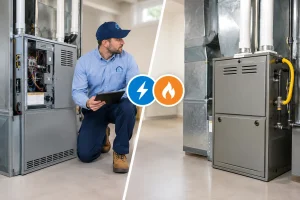
The installation plan should identify what happens during prolonged cold weather. In some homes, the heat pump may be paired with an existing furnace or boiler. In others, electric backup heat may be part of the system design. The goal is not to make broad promises about any single piece of equipment. It is to make sure the home has a reliable, properly designed heating plan for the conditions it will face.
Thermostat setup also matters. Heat pump controls may operate differently than a traditional furnace thermostat. Homeowners should receive clear instructions on normal operation, setback settings, filter maintenance, and when to call for service. A system works best when the people using it understand how it is intended to run.
Plan for Renovations and Whole-Home Upgrades
Heat pump work is often completed during a renovation, basement finishing project, addition, or replacement of aging heating equipment. These projects are a good opportunity to look at connected systems instead of treating each trade separately.
For example, opening walls may make it easier to run new electrical wiring, improve ductwork, relocate equipment, or correct drainage concerns. A panel upgrade, generator plan, water treatment equipment, or new mechanical room layout may also affect the best location for HVAC components. Coordinating the work helps avoid installing one system only to move it later for another project.
SDR Electric, Plumbing & Heating Inc. can coordinate electrical, heating, cooling, plumbing, and related mechanical needs when a project requires more than one trade. That coordination is particularly useful when a heat pump installation is part of a larger home upgrade rather than a standalone replacement.
What to Expect During Installation Day
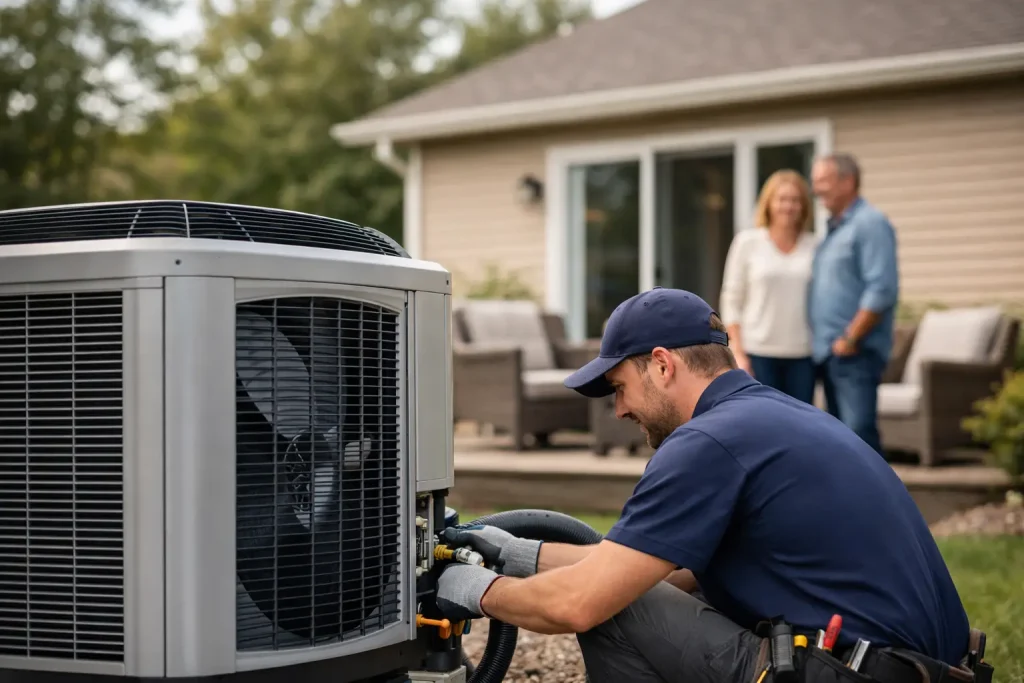
A well-organized installation begins with confirming equipment locations, access routes, and the planned scope of work. The team will protect work areas as needed, remove or disconnect applicable old equipment, complete electrical and refrigerant connections, and install indoor and outdoor components according to the system design.
Once the equipment is in place, testing is essential. The system should be checked in the appropriate operating modes, controls should be reviewed, and the work area should be left orderly. If the installation includes backup heat, duct changes, or electrical upgrades, those components should be tested as part of the completed system rather than treated as separate tasks.
Homeowners should also know what routine care is expected. Filters need regular attention, outdoor units should remain clear of snow and debris, and unusual noises, repeated error messages, or reduced heating and cooling performance should be addressed early. Preventive service can help identify small issues before they affect comfort when the system is working hardest.
Questions Worth Settling Before Work Begins
Before approving a heat pump project, ask how the system was sized for your home and what heating plan will apply during extreme cold. Confirm whether your electrical panel has been evaluated, where condensate and defrost water will go, and whether existing ductwork needs changes.
It is also helpful to discuss future plans for the property. If you expect to finish a basement, build an addition, add a generator, or install other major electrical loads, mention it early. A good recommendation accounts for the home you have now while avoiding choices that make the next project harder.
Comfort should not depend on guesswork or a rushed replacement decision. With a careful site assessment, safe electrical planning, and equipment matched to the home, a heat pump can become a dependable part of your property for many seasons ahead.