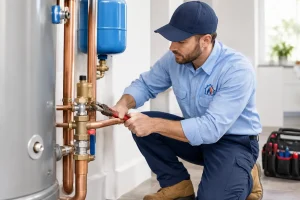
A failed sump pump, a basement renovation, or a new heat pump can involve more than one trade. That is what residential service teamwork looks like in practice: qualified people coordinating the work behind your walls, at your electrical panel, and around the equipment that keeps your home safe and comfortable.
For a homeowner, the benefit is not simply having fewer appointments to manage. Good teamwork helps prevent one repair or upgrade from creating a new problem for another system. It gives you clearer answers about what needs attention now, what can be planned for later, and how the work fits together.
What Residential Service Teamwork Looks Like on a Real Job
Residential systems are connected, even when they appear separate. A plumbing repair may require safe electrical work for a well pump. A heating upgrade may require changes to wiring, disconnects, condensate drainage, ductwork, or ventilation. A generator installation needs electrical planning, fuel connections where applicable, equipment placement, and a clear understanding of the loads the homeowner wants protected.
A coordinated team starts by looking at the whole condition, not just the most visible symptom. If there is no water in the house, for example, the issue could be a failed well pump, pressure switch, pressure tank, electrical supply, control component, or a plumbing-side problem. Testing and inspection help narrow down the cause before work begins.
That approach matters because replacing the wrong component can waste time and leave the original problem unresolved. It also helps identify related concerns, such as an aging pressure tank, inadequate circuit protection, damaged wiring, or a drain arrangement that may affect future service.
Teamwork does not mean every service call needs a large crew. A leaking faucet may be a focused plumbing repair, and a tripped breaker may call for an electrician. The advantage of a multi-trade service provider is knowing when a problem crosses trade lines and bringing in the right licensed professional when it does.
Clear Planning Before Work Starts
The best project coordination happens before equipment is installed or walls are closed. During a renovation, trades need to know where fixtures, appliances, heating equipment, panels, drains, vents, and access points will be located. A practical plan considers how each system will be installed, serviced, and used after the project is complete.
For example, moving a kitchen is not only about selecting cabinets and a sink. The project may involve water lines, drain and vent changes, dedicated appliance circuits, lighting, receptacles, range connections, ventilation, and potentially heating or cooling adjustments. If those scopes are planned separately without communication, conflicts can appear after work has already started.
A coordinated team reviews the sequence of work. Rough plumbing and electrical are completed before insulation and drywall. Heating and cooling components are located so they can be accessed for maintenance. Equipment clearances, drainage routes, and shutoffs are considered before finishes make changes more difficult.
Homeowners should also expect plain-language communication. You do not need to know the technical details of every connection, but you should understand what is being changed, why it is recommended, what areas of the home will be affected, and what decisions are needed from you. Clear communication is especially valuable when an existing home reveals hidden conditions during a renovation.
The right sequence protects the finished home
Work completed out of order can lead to avoidable repairs. A wall may need to be reopened because a wire route was overlooked. New flooring can be damaged if a drain issue is discovered late. A mechanical room can become crowded when equipment is installed without accounting for access, piping, electrical disconnects, and future maintenance.
Planning cannot eliminate every surprise in an older property. Hidden water damage, outdated wiring, undersized service equipment, or nonstandard previous work may only become visible once surfaces are opened. The difference is how the team responds: assess the condition, explain the finding, provide a practical path forward, and coordinate the correction before it affects the next stage of work.
Safety Is a Shared Responsibility
Residential teamwork should always be safety-driven. Electrical, plumbing, heating, cooling, and generator systems each have their own hazards, but they can also affect one another. Water near energized equipment, improper venting, inadequate drainage, overloaded circuits, and poorly located combustion equipment are not isolated concerns.
Licensed trade professionals work within the requirements that apply to their scope. They also communicate with one another when work intersects. If a plumbing installation requires power, the electrical connection should be evaluated and completed safely. If heating or cooling equipment creates condensate, the drainage solution needs to be reliable and appropriately routed. If backup power is being added, the electrical system must be configured so power is transferred safely rather than back-feeding utility lines.
This is particularly important for critical home systems. Well pumps, sump pumps, water treatment equipment, furnaces, boilers, heat pumps, and generators can all play a major role during severe weather or a service failure. The goal is not to add complexity. It is to make sure the equipment performs as intended when you need it.
One Point of Contact, Without Losing Trade Expertise
When a project involves several systems, homeowners can spend a great deal of time relaying information between separate providers. One person says a circuit needs to move. Another needs a drain location confirmed. A third needs access to a wall before it is closed. Details can get lost, especially when the work is urgent or the project timeline is tight.
A coordinated contractor helps organize that communication. There is a shared understanding of the project scope, site conditions, scheduling needs, and homeowner priorities. Rather than asking you to translate technical updates from one trade to another, the team handles those conversations directly.
That does not mean every recommendation should be accepted without questions. A dependable service provider will explain options and trade-offs. You may choose a repair that restores service now while planning a larger replacement later. You may decide that a renovation is the right time to upgrade capacity for future equipment. The best option depends on the age and condition of your current systems, the goals for the home, and the work already underway.
For homeowners in Eastern Ontario, coordination can be especially helpful when weather, water supply, and backup-power needs affect the project. A home on a well may require attention to pumps, pressure systems, water treatment, and electrical supply. A basement with a history of water concerns may need sump-pump service, a reliable discharge arrangement, and a discussion about backup power. These are practical property questions, not separate issues to solve in isolation.
Better Results After the Installation
Teamwork continues after the main work is finished. Equipment should be tested, controls should be reviewed, and the homeowner should know where key shutoffs, panels, and service points are located. If a new system changes how another system operates, that should be explained clearly.
Consider a generator installation. The work is not complete just because the unit is in place. Homeowners need to understand which circuits or loads are supported, how the transfer equipment works, what basic checks are appropriate, and when to arrange maintenance. The same principle applies to water treatment, well equipment, heating systems, and electrical upgrades.
Good documentation and organized service records also make future work easier. If a problem occurs years later, technicians can better understand the equipment installed, the original configuration, and relevant service history. That can reduce guesswork during troubleshooting and help homeowners make informed maintenance decisions.
When Coordinated Service Makes the Biggest Difference
Multi-trade teamwork is most valuable when systems overlap or a project has several moving parts. Common examples include basement and kitchen renovations, bathroom additions, mechanical-room upgrades, heat-pump installations, generator projects, well-pump failures, water-treatment additions, and new-home construction.
It is also useful when a small issue points to a larger concern. Replacing a failed sump pump may reveal that the outlet is not protected appropriately, the discharge route is poor, or the homeowner needs a backup plan for outages. A team that can assess the related electrical and plumbing needs can provide a more complete recommendation without turning one service call into a confusing chain of appointments.
A well-run residential project should leave you with more than working equipment. You should have a safer, more understandable home system and a clear sense of what to watch next. When electrical, plumbing, heating, cooling, and backup-power work are treated as connected parts of the same property, the result is fewer loose ends and better decisions for the home you live in every day.