A burst pipe, a failed sump pump, or a furnace that stops during a cold snap can turn a relaxing trip into an urgent property emergency. A practical holiday home systems safety checklist helps you prepare the electrical, plumbing, heating, cooling, and backup systems that keep your home protected while nobody is there to notice a problem.
The right plan depends on the season, how long you will be away, whether the home is supplied by a well, and whether someone can check the property. Do not simply shut everything off without considering what still needs power or heat. Your goal is to reduce risk while keeping essential systems operating safely.
A practical holiday home systems safety checklist
Start your preparation a few days before departure. That leaves time to address a small leak, unusual furnace noise, weak sump-pump performance, or an electrical issue instead of rushing through a decision on the way out the door.
Set the heating system for protection, not comfort
In winter, keep the heat on. Turning a furnace or boiler off can allow plumbing lines in exterior walls, crawl spaces, basements, garages, or cabinets to freeze. Set the thermostat high enough to protect pipes, typically no lower than 55 degrees Fahrenheit unless a qualified professional has advised otherwise for your specific home.
Confirm the thermostat is working and replace batteries if it uses them. If you have a smart thermostat, check that remote access is active and that alerts are going to a phone or email account someone will monitor. A smart device is useful, but it is not a substitute for a working heating system or an in-person check after a severe weather event.
Replace or clean HVAC filters if they are due. Restricted airflow can make a heating system work harder and may contribute to overheating or premature shutdowns. If the furnace has been short-cycling, making new noises, producing uneven heat, or showing an error code, arrange service before you leave.
For homes with a boiler, verify normal pressure and look for signs of leakage around the unit, piping, circulation pumps, and radiators. Never ignore the smell of fuel, exhaust, or gas. Leave the building if you suspect a gas leak, avoid switches or open flames, and contact emergency services or the gas utility from a safe location.
Protect plumbing from leaks and freezing
A plumbing leak can cause extensive damage in a short time, especially if it occurs on an upper floor or behind a finished wall. Locate the main water shutoff valve before your trip. If you will be away for an extended period and nobody needs water in the home, shutting off the main water supply is often a sensible precaution.
There are exceptions. Homes with hydronic heating, certain water-treatment equipment, fire-suppression systems, or other specialized plumbing arrangements may need water left on. If you are unsure, ask a qualified plumbing professional before closing the valve.
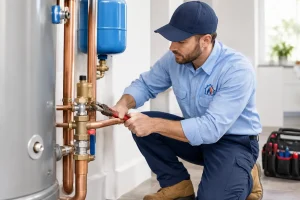
After shutting off the main supply, open a faucet briefly to relieve pressure in the plumbing lines. Do not forget appliance supply lines, including the washing machine, dishwasher, refrigerator ice maker, and humidifier. Inspect visible connections for drips, corrosion, bulging hoses, or dampness.
If freezing weather is expected, disconnect outdoor hoses and make sure exterior faucets are shut off or winterized. A hose left connected can trap water against the faucet and contribute to a frozen pipe inside the wall. If your home has a well, confirm that the pressure tank, pump controls, and any water-treatment system are behaving normally before departure.
Test the sump pump and drainage path
Your sump pump is one of the most important systems to check before leaving during rain, thaw periods, or snowmelt. Pour water into the sump pit until the float activates the pump. It should start promptly, discharge water outside, and shut off after the water level drops.
Check that the discharge line is clear, directed away from the foundation, and not blocked by ice, leaves, soil, or snow. A pump may run perfectly in the pit but still fail to protect the basement if water cannot leave through the discharge line.
If your area experiences frequent outages or your basement has a history of water entry, consider whether a battery backup sump pump, a high-water alarm, or generator support is appropriate. Each option addresses a different risk. A battery backup can help during an outage, while an alarm can alert you or a property contact before water reaches the floor.
Reduce electrical and fire risks
Unplug nonessential electronics and small appliances that do not need to run while you are away. This can reduce standby power use and limits the chance that a failed device or power surge causes trouble. Leave essential equipment connected, such as the furnace, sump pump, refrigerator if in use, security system, well pump, and monitored alarms.
Walk through the home and check these basic items:
- Test smoke alarms and carbon monoxide alarms, replacing batteries where required.
- Confirm there are no overloaded power strips, damaged cords, or warm outlets.
- Turn off portable space heaters and unplug them completely.
- Make sure electrical panels are accessible, dry, and free of stored materials.
- Verify exterior lights, timers, and security equipment operate as intended.
Never use a generator indoors, in a garage, or near windows, doors, vents, or soffits. Carbon monoxide can enter the home quickly, even when a generator is outside but positioned too close to the building. If you have a permanently installed standby generator, check its status indicator and fuel supply, and make sure it has received scheduled maintenance.
Consider what happens during a power outage
A power outage affects more than lights. Depending on your home, it may stop the furnace blower, well pump, sump pump, water treatment system, internet-based monitoring, garage door opener, and refrigerator. For rural properties, a prolonged outage can also affect water availability and freeze protection.
If you rely on a portable generator, make sure your backup-power plan is safe and realistic. A generator should connect through properly installed transfer equipment, not through an improvised cord connected to a household outlet. Backfeeding can seriously injure utility workers, damage equipment, and create fire hazards.
For an installed standby generator, test the system according to the manufacturer’s instructions and confirm that the circuits you need are actually covered. Some systems power the entire home, while others supply selected loads only. Knowing the difference before an outage avoids unpleasant surprises.
Secure the home without hiding a problem
Before you leave, empty trash, check that windows and doors are locked, and move valuables out of sight. If a refrigerator will remain running, remove food that may spoil if the power fails for an extended period. Set indoor lights on timers if appropriate, but avoid placing lamps near curtains or combustible materials.
A trusted neighbor, family member, or property manager can be one of the best safeguards for a vacant house. Give them a way to reach you, show them where the main water shutoff and electrical panel are located, and ask them to watch for warning signs such as no heat, water around the foundation, a running sump pump, unusual odors, or alarm notifications.
When to schedule service before you go
A checklist does not replace a repair when a system is already showing signs of failure. Arrange professional help before leaving if you have a leaking fixture, no hot water, low water pressure, recurring drain backups, a sump pump that runs continuously, flickering lights, breakers that trip, furnace faults, or carbon monoxide alarm concerns.
This is especially true for interconnected mechanical rooms. A well pump, pressure tank, water softener, furnace, condensate drain, sump pump, electrical panel, and generator may all share one area. A problem in one system can affect the operation or safety of another. SDR Electric, Plumbing & Heating can assess these connected systems and help property owners prepare for time away with licensed electrical, plumbing, heating, cooling, and backup-power support.
Before locking the door, take a final slow walk through the property. Listen for running water, check the thermostat display, look at the sump pit, and make sure the systems you depend on have power. That small routine can provide the reassurance that your home is ready to look after itself while you are away.