A crowded kitchen, extra showers, and a full dishwasher can expose a plumbing problem that stayed quiet all year. Knowing how to reduce holiday plumbing surprises gives you time to deal with small warning signs before they become a backed-up sink, a cold shower, or water where it does not belong.
For homeowners in Eastern Ontario, holiday preparation also happens during cold weather. That means indoor plumbing demand rises while frozen pipes, sump pump issues, and vulnerable exterior connections deserve more attention. A few practical checks can make a real difference, especially in homes with older fixtures, private wells, septic systems, or seasonal spaces.
Start With the Drains Guests Will Use
Kitchen and bathroom drains work harder during holiday gatherings. A drain that empties slowly on an ordinary weekday may not keep up with several people washing dishes, showering, and using the bathroom in a short period.
Test sinks, tubs, and showers before visitors arrive. Run water for a few minutes and watch how quickly it drains. Gurgling sounds, water rising in another fixture, unpleasant odors, or a toilet that bubbles when a sink empties can point to a restriction farther along the drain line. Those symptoms are worth addressing before the house is busy.
Avoid relying on chemical drain cleaners as a routine fix. They may not clear the actual blockage, can be hard on certain pipes and fixtures, and may create a safety concern for anyone who later works on the drain. A professional drain assessment is the better choice when slow drainage keeps returning or affects more than one fixture.
Keep Kitchen Waste Out of Trouble
The kitchen is often the center of holiday plumbing surprises. Grease may look harmless when it is warm, but it cools and sticks to pipe walls. Food scraps can build up in a garbage disposal or settle in a drain trap, especially when large meals are being prepared.
Let cooking grease cool in a container and dispose of it in the garbage. Scrape plates before loading the dishwasher, and use the disposal gradually with cold water if your home has one. Fibrous vegetables, coffee grounds, bones, eggshells, and large quantities of starchy food are common causes of disposal jams and kitchen drain clogs.
Check Toilets and Fixtures Before the House Gets Busy
A running toilet is more than an annoyance. It can indicate a worn flapper, fill valve problem, or adjustment issue, and it may waste a significant amount of water when left unresolved. Flush each toilet and make sure it refills properly without continuing to run.
Look around toilet bases, under bathroom sinks, and at supply lines for moisture, corrosion, or staining. A slow leak often leaves clues before it becomes a larger problem. Tightening a connection may help in limited cases, but cracked fittings, deteriorated hoses, or persistent leaks should be repaired properly rather than watched through the holiday season.
If a toilet rocks when you sit on it, do not ignore it. Movement can damage the wax seal beneath the toilet and eventually allow water to leak onto the floor or subfloor. This is a straightforward issue to investigate early, before a busy bathroom turns it into a more disruptive repair.
Make Sure the Water Heater Can Handle Extra Demand
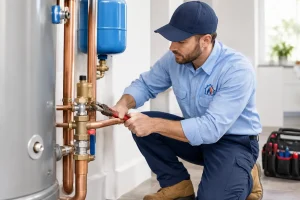
More overnight guests usually mean more showers, laundry, and dishwashing. A water heater that meets your household’s regular needs may struggle during a high-demand weekend, particularly if it is older or has sediment buildup.
Pay attention to signs such as inconsistent water temperature, rumbling or popping sounds from the tank, rusty water, or water collecting near the unit. These symptoms do not always mean immediate failure, but they justify a service call before you depend on the system for a full house.
Avoid turning the temperature excessively high to compensate for limited hot water. Water that is too hot increases scalding risk, particularly for children and older adults. If hot water runs out too quickly, the right solution depends on the cause. It could be a maintenance issue, a failed component, an undersized system, or a household demand pattern that calls for a planned upgrade.
Protect Pipes From Holiday Cold Snaps
Winter weather brings a separate set of risks. Pipes located along exterior walls, in crawl spaces, garages, basements, and unheated areas are more exposed to freezing temperatures. A frozen pipe can stop water flow, while a pipe that bursts can cause substantial damage once it thaws.
Keep indoor temperatures consistent, including when you leave for holiday travel. Open cabinet doors beneath sinks on exterior walls to allow warm indoor air to circulate, but keep cleaners and medications safely out of reach of children. Disconnect and drain outdoor hoses, and ensure exterior faucets are shut off appropriately for the season.
If you suspect a pipe is frozen, do not use an open flame or high-heat device to thaw it. Shut off water if a pipe is leaking or has burst, then contact a qualified plumbing professional. Safe thawing and repair require care, particularly near electrical wiring, insulation, or finished walls.
Do Not Forget the Sump Pump
A sump pump may not be top of mind during the holidays, but it is one of the most important systems for protecting a basement. Winter thaws, rain, snowmelt, and power interruptions can all create conditions where the pump needs to operate.
Check that the sump pit is clear of debris and that the pump responds as expected. Confirm the discharge line sends water away from the foundation and is not blocked, frozen, or directing water back toward the house. If the pump runs constantly, makes unusual noises, or fails to start, arrange service before heavy weather arrives.
A backup pump or battery backup can provide added protection, but it needs testing and maintenance too. For properties that depend on a well pump, sump pump, or other essential electrical equipment, backup power planning may also be worth discussing before winter storms become more frequent.
Give Guests a Few Simple Ground Rules
You do not need to make everyone nervous about using the bathroom. A few clear reminders can prevent avoidable clogs. Keep a covered wastebasket in every bathroom so wipes, cotton products, paper towels, and hygiene products do not end up in the toilet. Only toilet paper should be flushed, even when a product is labeled as flushable.
If your property uses a septic system, spacing out laundry loads and conserving water during a busy weekend can help avoid overloading it. With a private well, watch for changes in water pressure or a pump that cycles unusually often. No water, low pressure, or frequent cycling should be addressed promptly rather than treated as a temporary inconvenience.
Know When a Small Problem Needs Service
Holiday plumbing preparation is not about replacing every older part in the house. It is about recognizing when a minor issue has enough warning signs to deserve attention. Recurring clogs, water stains, reduced water pressure, sewer odors, unexplained increases in water use, and a sump pump that does not operate reliably are all reasons to schedule an inspection.
For renovations or larger system concerns, plumbing may connect directly to electrical, heating, water treatment, well equipment, or backup power. Coordinated planning helps prevent one repair from creating complications for another system. SDR Electric, Plumbing & Heating Inc. can assess these connected needs with licensed, safety-focused service and practical recommendations.
Before guests arrive, take one quiet walk through the kitchen, bathrooms, utility room, and basement. That hour of attention can help you spot the drip, slow drain, or noisy pump that would otherwise choose the least convenient moment to demand attention.