A furnace that stops on a cold morning or an air conditioner that cannot keep up during a heat wave is not an abstract problem for a homeowner. It is a comfort, safety, and trust issue. Building a career in residential HVAC service means becoming the person who can diagnose that problem calmly, explain the options clearly, and complete work that holds up after the service vehicle leaves.
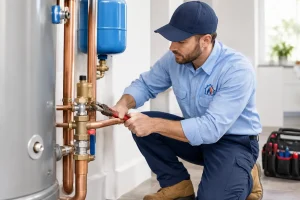
Residential HVAC is a hands-on career with a real purpose. Technicians work on the systems that heat, cool, ventilate, and sometimes improve the air quality inside homes. The work changes from day to day, but the standard stays the same: protect the property, work safely, and give the customer a practical answer.
What Residential HVAC Service Work Actually Involves
Residential service is different from spending every day on a new construction site or maintaining a large commercial building. A technician may arrive at a home with no heat, poor airflow, unusual equipment noise, water around an indoor unit, or rooms that never reach the thermostat setting. The job begins with listening and inspection, not guessing.
A typical call may involve checking electrical connections, control boards, filters, condensate drains, blower components, refrigerant-related performance, venting, thermostats, ductwork, or outdoor equipment. A good technician understands how these parts affect one another. For example, a frozen coil may not be the root problem. Restricted airflow, a dirty filter, a blower issue, or another condition may be contributing to it.
That diagnostic mindset is what makes the career valuable. Homeowners do not need a list of technical terms. They need to know what is happening, whether their equipment is safe to run, and what should happen next.
Start With a Solid Trade Foundation
The path into HVAC service usually combines classroom learning with supervised field experience. Formal training helps new technicians understand electrical fundamentals, refrigeration principles, combustion, airflow, equipment sequence of operation, and safe tool use. Apprenticeship or entry-level field work then turns those concepts into dependable habits.
In Eastern Ontario, a residential HVAC career may also overlap with regulated work involving fuels, electrical components, or refrigerants. Requirements depend on the type of work being performed and the credentials held by the technician. A reputable employer will be clear about supervision, training, certification pathways, and the limits of work an apprentice can perform.
The goal is not to memorize every equipment model. It is to learn how systems work well enough to test a problem methodically. That means reading wiring diagrams, taking accurate measurements, following manufacturer procedures, and knowing when a condition requires a more experienced technician or another licensed trade.
Learn the Basics Until They Are Automatic
Early in a career, the most useful knowledge is often the least flashy. A technician should be comfortable identifying common components, using a meter correctly, checking airflow concerns, replacing serviceable parts according to procedure, and documenting findings.
It also helps to understand the full heating and cooling cycle rather than treating each symptom as a separate repair. A thermostat call for heating, a furnace ignition sequence, a blower operation, and a safety shutdown are connected steps. When one step fails, the technician needs to confirm why instead of replacing a part based on a hunch.
Safety Is Part of the Service, Not an Extra Step
Residential HVAC work can involve live electrical equipment, sharp sheet metal, hot surfaces, fuel-fired appliances, pressurized systems, ladders, confined spaces, and moving components. Safe work practices protect the technician, the homeowner, and the home itself.
A strong technician does not rush past safety checks to get to the repair. They verify power conditions, use proper lockout procedures where required, watch for combustion and venting concerns, protect floors and finished areas, and keep the work area organized. If an unsafe condition is found, it should be communicated clearly and documented properly.
Safety also means knowing the boundary between trades. HVAC equipment often connects to electrical circuits, plumbing drains, gas piping, and ventilation systems. On a renovation or a larger mechanical upgrade, coordination between qualified trades prevents shortcuts that can create future problems. This is especially important in homes where a heating replacement affects electrical capacity, condensate drainage, ductwork, or backup power planning.
Build Diagnostic Discipline Before You Build Speed
New technicians often measure their progress by how quickly they finish a call. Speed matters, but only after accuracy and safety are consistent. Returning to a property because the original issue was misdiagnosed costs time and damages trust.
A disciplined service process is straightforward. Confirm the customer’s concern, inspect the equipment and surrounding conditions, test the likely causes, identify the root issue, and verify operation after the repair. Then explain what was found in plain language.
The best technicians take useful notes. Equipment age, model information, error codes, readings, prior repairs, filter condition, and homeowner observations can all help on a later visit. Clear documentation also helps the rest of the service team provide consistent support when a job requires follow-up or additional trades.
Customer Communication Is a Technical Skill
Homeowners rarely call an HVAC company because they want to discuss equipment. They call because they are cold, uncomfortable, concerned about a noise, or worried that a system has failed at the wrong time. A technician who explains the situation well can lower that stress without making promises the inspection does not support.
Start by listening. If the homeowner says the upstairs is always warmer, ask when it happens, whether doors are kept closed, if the issue is seasonal, and whether the system has changed recently. Those details can point toward airflow, insulation, thermostat placement, duct design, or equipment performance concerns.
Then explain the findings without talking down to the customer. Instead of saying a system is “bad,” describe the condition, the effect it is having, and the reasonable next step. If several options are available, explain the trade-offs. A minor repair may restore operation, while an older unit with repeated failures may warrant a broader replacement discussion. The right answer depends on the equipment condition, safety, home needs, and long-term plans.
Building a Career in Residential HVAC Service Takes Reliability
Technical ability gets a technician through the door. Reliability is what builds a career. Showing up prepared, treating a home with respect, returning calls or updates promptly, and doing what was promised are all part of professional workmanship.
This matters even more in residential service because the technician is working in someone’s personal space. Using floor protection, cleaning up debris, keeping tools organized, and securing equipment panels may seem routine, but customers notice. So do property managers, builders, and homeowners planning future work.
A dependable technician also knows when to ask for help. There is no value in forcing a diagnosis on unfamiliar equipment or overlooking a safety concern. Experienced teams share information, verify difficult findings, and coordinate with plumbing or electrical professionals when a problem crosses trade lines.
Choose an Employer That Supports the Trade
The right work environment can shape the first years of an HVAC career. Look for an employer that values training, proper tools, safety procedures, organized dispatch, and clear communication with customers. Service work is demanding enough without being sent into a home unprepared or pressured to skip diagnostic steps.
A multi-trade contractor can be particularly useful for technicians who want to understand how whole-home systems connect. At SDR Electric, Plumbing & Heating, for example, heating and cooling work may be coordinated with electrical upgrades, plumbing drains, generators, and renovation planning. That exposure can help a technician develop stronger judgment while still respecting each trade’s licensing and responsibilities.
Career growth may lead toward senior service work, installation leadership, heat pump specialization, indoor air quality solutions, maintenance programs, estimating, or field supervision. The path depends on what kind of work suits you. Some technicians enjoy urgent diagnostics and customer interaction. Others prefer planned replacements or complex renovation projects. Both routes require careful workmanship.
Keep Learning as Equipment Changes
Residential HVAC equipment continues to change. High-efficiency furnaces, heat pumps, variable-speed systems, communicating controls, zoning, smart thermostats, and ventilation equipment all require technicians to keep learning. The answer is not to chase every new feature. It is to understand the purpose of the system and follow proper installation and service procedures.
Training from manufacturers, experienced mentors, and technical courses can sharpen skills over time. So can reviewing callbacks honestly. When a repair did not solve the issue, the lesson is not simply to work harder next time. It is to identify what was missed in the testing process and improve the approach.
A lasting career is built one careful service call at a time. Learn the fundamentals, respect the safety requirements, communicate clearly, and leave every home knowing the work was done with the same care you would expect in your own home.