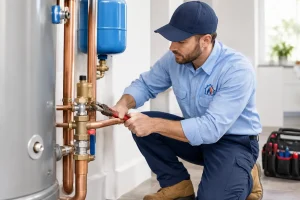
A dripping kitchen faucet is rarely the whole story. A homeowner may also be dealing with low water pressure, a toilet that runs overnight, a sump pump that has stopped cycling, or no water from a well. A day in residential plumbing service means responding to those real property problems, finding the cause safely, and giving the homeowner a clear path forward.
For a plumbing technician, the day is less about quick fixes than organized problem-solving. Water systems connect to fixtures, drains, pumps, electrical controls, water treatment equipment, and heating appliances. The visible symptom matters, but the source of the problem matters more.
A Day in Residential Plumbing Service Starts With the Right Questions
Before arriving at a home, a service team needs useful details. Is the leak active? Has water been shut off? Is the problem limited to one fixture or affecting the whole house? Did it begin after a power outage, a renovation, a period of freezing weather, or heavy rain?
Those answers help determine what equipment and parts may be needed and whether the issue requires urgent action. A burst pipe, sewage backup, or failed sump pump during wet weather needs a faster response than a slow drip under a bathroom vanity. Both deserve proper attention, but the immediate risk to the property is different.
On arrival, the technician confirms the concern with the homeowner and assesses the area for safety. That can include checking for wet electrical components, damaged flooring, standing water, poor drainage, or pressure that may be present in a line. In homes with well systems, the technician may also review the pressure tank, pump controls, filtration equipment, and water supply history.
Clear communication begins here. Homeowners should know what is being investigated, what the technician is seeing, and what may need to happen next. A good service call does not rely on vague explanations or guesses made from across the room.
Diagnosis Comes Before the Repair
Many plumbing symptoms have more than one possible cause. Low water pressure, for example, may result from a clogged faucet aerator, a partially closed shutoff valve, aging supply piping, a pressure tank issue, sediment in water treatment equipment, or a well pump problem. Replacing a fixture without testing the system could leave the actual issue unresolved.
A technician works through the likely causes in a practical order. That may involve checking fixture operation, examining supply and drain connections, testing water pressure, inspecting valves, and looking for signs of leaks or corrosion. For drain concerns, the work may include determining whether the blockage is localized to one sink or toilet or located farther along the building drain.
This is where experience saves disruption. A slow bathroom drain may be a simple buildup near the fixture, while repeated backups in several areas of the home can point to a larger drain-line issue. The right repair depends on the findings, not just the symptom.
Finding leaks without creating more damage
Not every leak is obvious. Water can travel along pipes, framing, and flooring before it appears as a stain or damp spot. A plumbing technician may inspect accessible piping, fixture seals, appliance connections, shutoff valves, and drain lines to narrow down the source.
The goal is to stop active water damage while avoiding unnecessary removal of finished materials. Sometimes the repair is contained to a worn seal, failed valve, loose connection, or damaged section of pipe. Other times, the visible damage indicates that a longer-term repair or replacement plan is needed.
Homeowners can help by noting when they first saw the issue, whether the water appears only when a fixture is used, and whether the water meter changes when all fixtures are off. Those details can make diagnosis more efficient.
Pumps, Water Systems, and the Problems That Cannot Wait
In Eastern Ontario homes, plumbing service often extends beyond sinks and toilets. Well pumps, sump pumps, pressure tanks, water softeners, and treatment systems are essential parts of the home’s water management system.
A failed sump pump can become urgent quickly when groundwater is rising. The technician checks whether the pump has power, whether the float is operating, whether the discharge line is clear, and whether the pump is moving water effectively. A pump may fail because of mechanical wear, debris, a stuck float, a tripped circuit, or an undersized system for the conditions.
When a home has no well water, the cause may involve the pump, pressure switch, tank, electrical connection, control equipment, or the well itself. This is also where coordinated trade service can be valuable. If the plumbing diagnosis points to a control or power-supply concern, the electrical side must be assessed safely rather than treated as an afterthought.
Water quality concerns require the same measured approach. Hard water, staining, unusual odors, cloudy water, or poor fixture performance can be signs that treatment equipment needs service or that the water source should be evaluated. A softener or filter is not automatically the answer to every concern. The equipment should suit the water condition and the household’s actual needs.
Repairing What Is Needed and Planning What Is Next
Once the cause is identified, the technician explains the repair in plain language. Some work can be completed during the same visit, such as repairing a leaking connection, replacing a worn fixture component, clearing a localized blockage, or servicing a pump component. Other situations need additional planning because access is limited, materials need to be ordered, or the plumbing work connects to electrical, heating, or renovation scopes.
That distinction matters. A dependable recommendation separates the immediate repair from preventive work that may be worth considering later. For instance, a repaired section of older piping may restore service now, while recurring corrosion or multiple past leaks could justify discussing a larger replacement plan. The homeowner should understand both the urgency and the trade-offs.
In a renovation, plumbing decisions need to be coordinated early. Moving a kitchen sink, adding a bathroom, installing a laundry area, or upgrading a mechanical room can affect drain routing, water supply lines, venting, electrical circuits, and heating equipment. SDR Electric, Plumbing & Heating Inc. can coordinate those connected scopes so the property owner is not left managing several separate trades around the same wall, floor, or equipment area.
What a Professional Service Visit Leaves Behind
The best outcome is not simply that the water is running again. A professional visit should leave the home safer, the work area tidy, and the homeowner better informed about the system.
That includes confirming that repaired fixtures operate properly, connections are secure, and water is flowing where it should. If work involved a drain, pump, or treatment system, the technician should explain normal operation and any signs that call for attention. For a sump pump, that may mean knowing how to test it and keeping the pit accessible. For a well system, it may mean recognizing pressure changes or frequent pump cycling before a complete loss of water occurs.
Good records also help over time. Knowing when a water heater, pump, softener, or major fixture was installed or serviced makes future troubleshooting more straightforward. It can also help homeowners plan upgrades before a failure creates a larger disruption.
When to Call for Residential Plumbing Service
Some plumbing issues can wait for a scheduled visit, but others should be addressed promptly. Active leaks, sewage backups, no water, a failed sump pump, frozen or burst pipes, water near electrical equipment, and a malfunctioning water heater all deserve timely professional attention.
For smaller concerns, calling early can still prevent a bigger repair. A toilet that runs constantly, a faucet that has begun leaking, a drain that repeatedly slows down, or a pressure tank that cycles too often may not feel urgent today. Left alone, these problems can waste water, strain equipment, or become harder to correct.
When something changes in your home’s plumbing, take a moment to note what you see, hear, and smell. That simple information gives a service technician a stronger starting point and helps move the visit from uncertainty to a practical repair plan.