A shower that fades to a trickle when someone opens a kitchen tap is more than an inconvenience. Low pressure can make ordinary routines frustrating, reduce the performance of appliances, and sometimes point to a plumbing or well-system issue that needs attention. The right way to fix low water pressure starts with identifying where the pressure loss occurs and whether the cause is isolated, building-wide, or connected to your water supply.
Before taking anything apart, notice the pattern. Does the problem affect hot water, cold water, or both? Is it limited to one faucet, one floor, or every fixture in the building? Those details help separate a simple fixture blockage from a more involved issue with a shutoff valve, water treatment equipment, pressure tank, pump, or aging piping.
Start by Finding Where Pressure Is Low
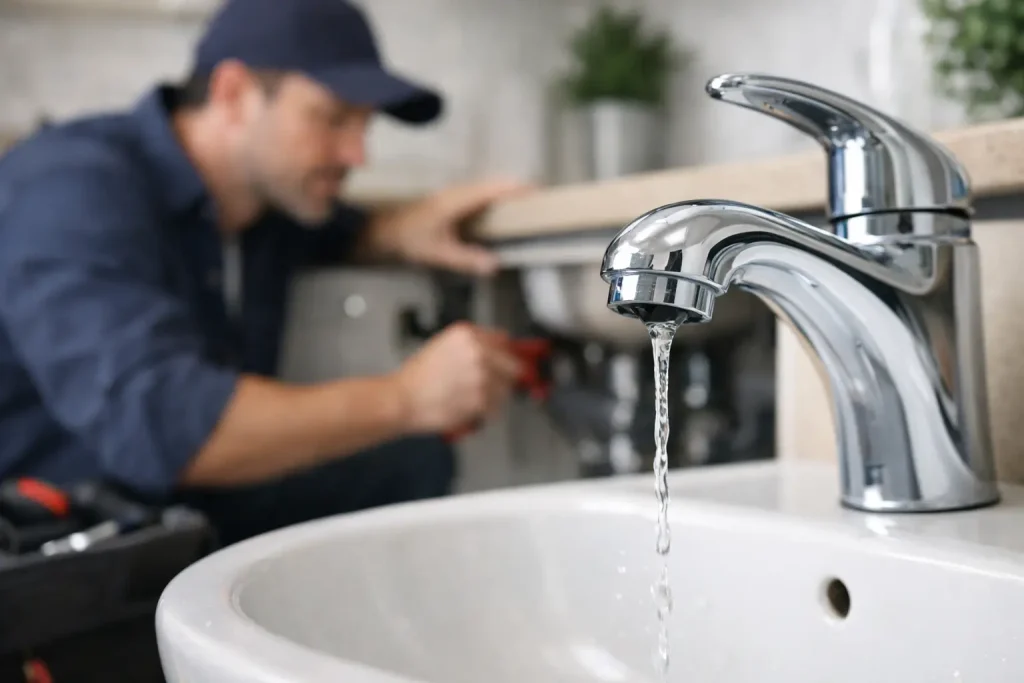
Low pressure at a single faucet is usually a local problem. If the kitchen tap runs normally but the bathroom sink has a weak stream, start with the fixture itself. Mineral buildup and debris can collect in a faucet aerator or showerhead, especially in areas with hard water or after plumbing work has disturbed sediment inside the pipes.
Remove the aerator carefully, keeping track of the screen and washer. Rinse out visible debris and soak mineral-coated parts in a suitable descaling solution according to the product directions. If the showerhead is the only fixture affected, cleaning or replacing it may restore normal flow.
When low pressure appears throughout the home, the source is more likely farther upstream. Check whether the water flow changes at different times of day, whether neighbors are experiencing a similar issue on municipal water, and whether the problem started suddenly or has slowly developed over months. A sudden change often points to a valve, filter, pump, or equipment problem. Gradual decline can indicate scale buildup, sediment, corroded piping, or a water treatment component that needs service.
Check the Simple Causes Before Assuming a Major Repair
Several common causes can reduce water flow without requiring extensive plumbing work. The main water shutoff valve, typically located where the water service enters the building, should be fully open. A partially closed valve can happen after a repair, renovation, or emergency shutoff. If your property has a water meter valve or an exterior curb stop, do not attempt to operate it yourself. Those components may be controlled by the utility and can be damaged if handled improperly.
Also look at any equipment installed between the water source and your fixtures. A whole-home filter with a clogged cartridge can restrict flow noticeably. Water softeners, iron filters, sediment filters, and other treatment systems can also cause pressure loss when they are due for maintenance, incorrectly set, or experiencing an internal failure.
If your home has a recently installed appliance, renovation plumbing, or new fixture, consider whether the issue began at the same time. A valve may not have been reopened fully, a supply line may be kinked, or a new fixture may have a restrictive flow component. The answer is not always obvious, which is why a systematic inspection matters.
Low Pressure on Hot Water Only
When cold water pressure is normal but hot water is weak throughout the home, the issue is often connected to the water heater or hot-water distribution piping. Sediment, scale, a partially closed valve, or a restriction near the heater can reduce hot-water flow.
Do not remove temperature and pressure relief valves or attempt to alter water-heater safety controls to solve a pressure problem. Water heaters operate with hot water and pressure, and incorrect work can create a serious safety risk. A licensed plumbing professional can check the shutoff valves, connections, heater condition, mixing valve where present, and the condition of the hot-water piping.
In older homes, galvanized steel pipes deserve particular attention. These pipes can corrode internally over time, narrowing the opening that water travels through. The outside of a pipe may look acceptable while the inside has become heavily restricted. Cleaning one fixture will not solve that type of system-wide issue. Targeted pipe replacement or a planned repiping project may be the practical long-term answer.
How to Fix Low Water Pressure in a Well System
Many rural properties rely on private wells, where water pressure depends on equipment working together: the well pump, pressure tank, pressure switch, check valves, treatment equipment, and plumbing lines. If your home suddenly has low pressure or no water at all, avoid repeatedly resetting breakers or cycling equipment without understanding the cause. A pump running dry, a failed switch, or an electrical issue can be made worse by repeated attempts to restart it.
First, check for an obvious power issue. If a breaker has tripped, reset it once only if there are no signs of water, burning, damaged wiring, or other electrical concerns around the panel or pump controls. If it trips again, leave it off and arrange professional service. Electrical and well-pump issues frequently overlap, and both need to be assessed safely.
Next, look at the pressure gauge on the tank if one is accessible. A normal residential well system commonly cycles within a set pressure range. If the gauge remains very low, falls quickly, or the pump runs continuously, the system may have a leak, failed pressure tank, worn pump, blocked filter, or control problem. If pressure rises normally but fixtures still have weak flow, a clogged filter, treatment system restriction, or plumbing issue is more likely.
A waterlogged pressure tank can cause short cycling, where the pump starts and stops repeatedly. This is not just annoying. It can shorten the life of pump controls and related equipment. Well-system diagnosis should account for water supply, plumbing, electrical controls, and treatment equipment rather than treating each part as an isolated problem.
Do Not Confuse Pressure With Flow
Homeowners often use the terms pressure and flow interchangeably, but the distinction is useful. Pressure is the force pushing water through the system. Flow is the volume of water delivered at a fixture. A restricted showerhead may have adequate pressure behind it but poor flow through its small openings. A weak well pump or failing pressure tank may produce genuinely low system pressure.
This distinction helps explain why raising a pressure setting is not always the answer. Increasing pressure when a pipe is restricted, a filter is clogged, or a leak is present will not correct the underlying issue. It can also place unnecessary stress on older plumbing and fixtures. The safest repair is based on measurement and diagnosis, not guesswork.
When a Pressure-Reducing Valve May Be the Problem
Properties supplied by municipal water may have a pressure-reducing valve, also called a pressure regulator. This device protects interior plumbing by lowering high incoming municipal pressure to a suitable level for the building. Like other mechanical components, it can wear out or become obstructed.
A failing regulator may cause consistently weak pressure, fluctuating pressure, or a noticeable drop when multiple fixtures are used. It is tempting to adjust the valve, but adjustment is not a cure for a worn or faulty regulator. Improper settings can increase the risk of leaks, appliance damage, or pressure-related stress on plumbing components. A plumber can test the incoming and downstream pressure, inspect the regulator, and determine whether service or replacement is appropriate.
Signs You Should Arrange Professional Service
A simple aerator cleaning is reasonable for many homeowners. The situation changes when the cause could involve concealed plumbing, pressurized equipment, electrical controls, or a potential leak. Arrange professional help if you notice any of the following:
- Pressure is low at every fixture, especially after a sudden change.
- The well pump cycles repeatedly, runs continuously, or stops producing water.
- Water pressure drops along with discolored water, sediment, air sputtering, or unusual noises.
- A breaker serving a well pump or water equipment trips again after being reset once.
- You see damp areas, unexplained water use, staining, or signs of a hidden plumbing leak.
- Only hot water has low pressure throughout the home.
For homes across Brockville, North Augusta, Prescott, Kemptville, and surrounding Eastern Ontario communities, water pressure concerns can be especially varied because municipal-water properties and private-well properties have different failure points. SDR Electric, Plumbing & Heating Inc. can assess the plumbing, well-pump, electrical, and water-treatment sides of the problem in a coordinated way when the cause is not limited to a single fixture.
Protect Your System After the Repair
Once pressure is restored, routine maintenance can help prevent a repeat problem. Replace filter cartridges on schedule, service water treatment equipment as recommended, and pay attention to changing pressure patterns rather than waiting for a complete loss of water. If your home has older piping or a well system with aging components, planned upgrades may be less disruptive than responding to a failure when water is already unavailable.
Low water pressure rarely improves on its own. A quick check of fixtures and filters may solve the problem, but persistent or whole-home pressure loss is your building telling you that a valve, pipe, pump, or treatment component deserves a closer look.